

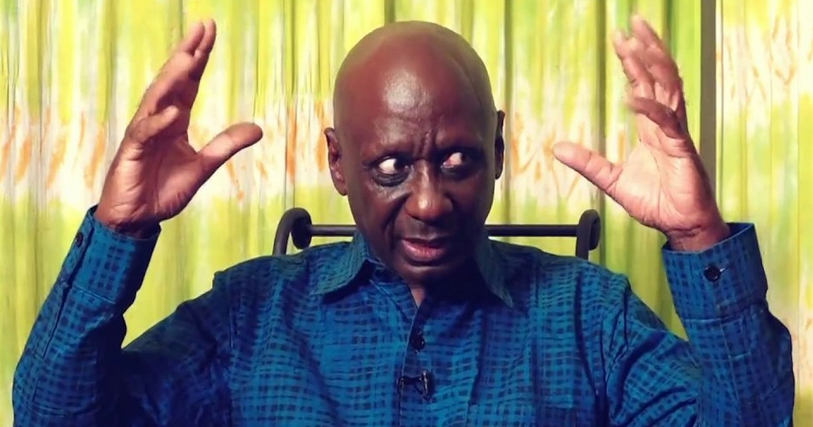
Ugandan theatre has lost one of its most recognisable veterans.
Actor, playwright and director Alex Mukulu has died at the age of 72, marking the end of a decades-long career in Uganda’s performing arts.
Mukulu died this afternoon, according to the information provided, although the cause of death has not yet been disclosed.
Details surrounding his death remain limited, and his family has not yet released further information about the circumstances of his passing or funeral arrangements.
For an industry that watched Mukulu work across theatre, acting, directing and mentorship, his death represents the loss of a figure whose career stretched across generations of Ugandan performers.
And while many knew him for his demanding personality, his artistic legacy went far beyond the judging table.

Born in 1954, Mukulu built a career that covered several sides of Uganda’s performing arts industry.
He was an actor, playwright, director and mentor, using theatre as a platform to explore Uganda’s politics, culture and social life.

His work became known for combining drama, music and humour, creating productions that entertained audiences while reflecting on the realities of the country around them.
One of his widely known productions was 30 Years of Bananas, a political satire that examined decades of Uganda’s turbulent political history through a mixture of theatre, music and humour.

The production became part of Mukulu’s wider reputation as an artist who was not afraid to use the stage to engage with serious subjects.
His influence also extended beyond his own performances and productions.
Mukulu was credited with mentoring generations of actors and helping sustain Uganda’s theatre industry at a time when traditional stage productions faced increasing competition from television and, later, digital entertainment.
His death was announced as fans, friends and fellow members of the entertainment fraternity began sharing condolence messages.
The cause of death has not been disclosed in the information available, and the family is yet to communicate further details regarding funeral arrangements.
That leaves many questions unanswered as tributes continue to emerge.

For many Ugandan viewers, Mukulu was also familiar as a tough and uncompromising judge on Yolese Ekitone, a talent search programme that aired on Bukedde TV.
His judging style was distinctly stern.
Mukulu became known for giving sharp assessments to emerging performers, particularly when he believed a performance had failed to meet the standards he expected.
That strict approach could make him intimidating to contestants, but it also made him a memorable television personality and one of the recognisable figures in Uganda’s talent and theatre circles.
His career, however, was not defined solely by television appearances.
For decades, he remained closely associated with Ugandan theatre as a performer, creative force and mentor.
His work unfolded during a period of major change for the performing arts, as theatre audiences declined in some spaces and television and digital platforms created new forms of entertainment.
Mukulu nevertheless remained part of Uganda’s theatre landscape, helping pass knowledge and experience to younger performers.

Mukulu’s death represents more than the loss of a familiar television personality.
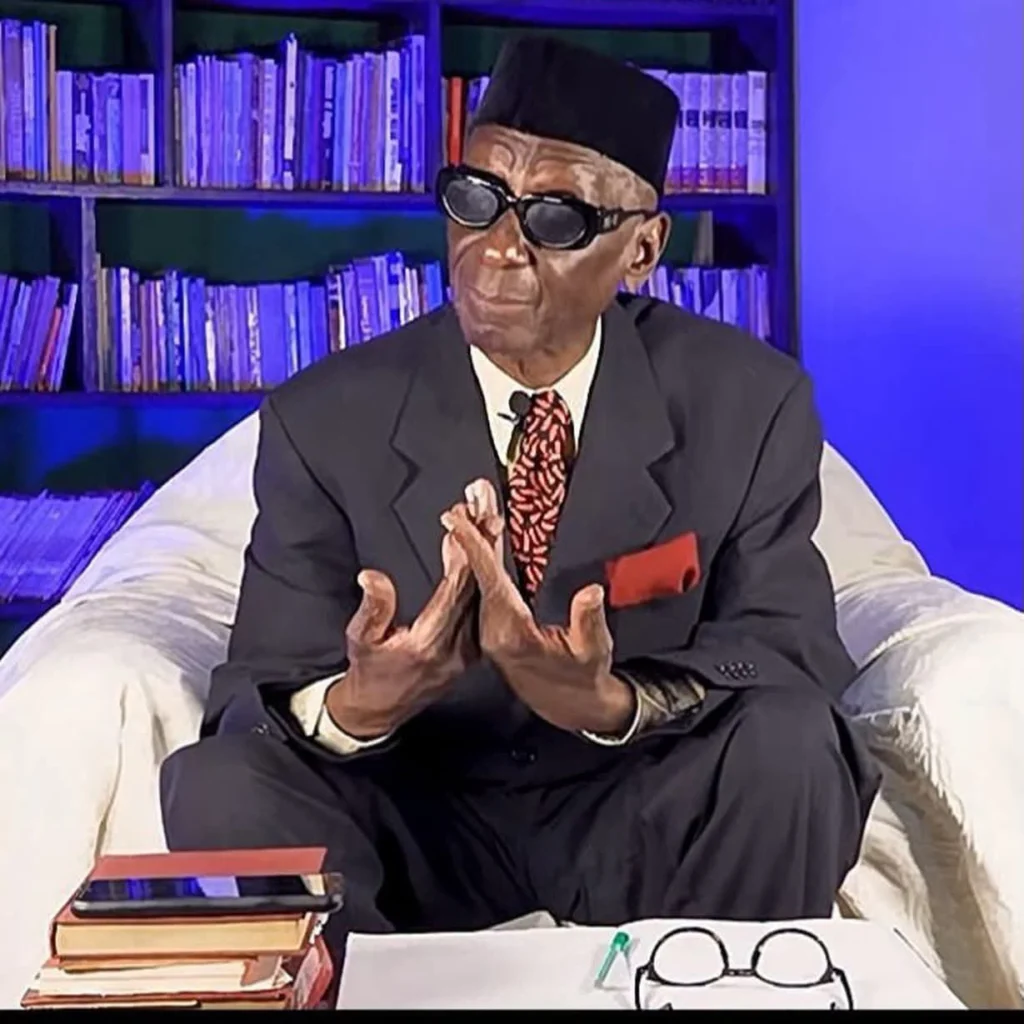
His career connected several generations of Uganda’s performing arts, from traditional stage theatre to television talent competitions.
Through productions such as 30 Years of Bananas, he also demonstrated how theatre could be used to examine political history and social realities while incorporating humour and music.
That combination helped make his work accessible while giving it a deeper cultural purpose.
His influence as a mentor is another important part of his legacy.
At a time when Uganda’s entertainment industry continues to evolve rapidly, the loss of artists who spent decades building and teaching within the theatre community can leave a significant gap.
Mukulu leaves behind a body of work and a generation of performers who encountered his influence in different ways.
News of Mukulu’s death has prompted an outpouring of condolence messages from fans, friends, fellow entertainers and other members of Uganda’s entertainment community.

Tributes have focused on his contribution to theatre and his lasting influence on performers.
Many have also remembered the distinctive personality he brought to talent competitions, where his demanding assessments became part of his public identity.
The reaction reflects the breadth of Mukulu’s career: he was known not only to theatre audiences but also to television viewers who encountered his uncompromising judging style.
As more tributes emerge, further details about his life and career are likely to come into focus.
Mukulu spent decades working in an industry that depends heavily on passing knowledge from one generation to another.
As an actor, playwright, director and mentor, he occupied several roles in that process.
His strict approach may have made him a formidable presence, particularly for young performers facing his assessments, but his career also reflected a sustained commitment to developing Uganda’s performing arts.
For colleagues and performers who encountered him during those years, his absence will be felt not only on stage but across the wider creative community.
Alex Mukulu’s death at 72 closes a significant chapter in Uganda’s theatre story. His work, mentorship and unmistakable presence in the performing arts will remain part of the country’s entertainment history.
May his soul rest in peace.