

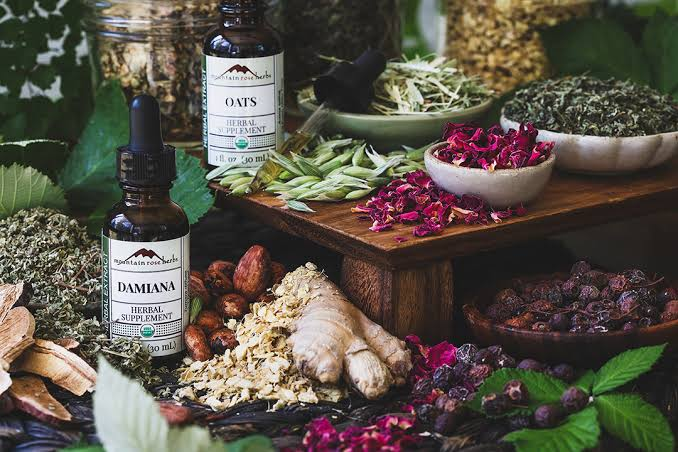
Oysters, dark chocolate, strawberries and herbal supplements are frequently described as aphrodisiacs—foods and substances believed to increase sexual desire or improve sexual performance.
The idea has existed for thousands of years. Across different cultures, people have turned to particular foods, plants and other substances in the hope of improving intimacy, increasing libido or making sex more pleasurable.
But do aphrodisiacs actually work?
The answer is more complicated than popular claims suggest. Although some ingredients have attracted scientific interest, research has not established that most commonly promoted aphrodisiacs reliably increase sexual desire or improve performance. Some products may also carry health risks, particularly when taken as supplements or combined with medication.
Understanding what aphrodisiacs are, what research says about them and how to approach them safely can help separate traditional beliefs from evidence.
What Are Aphrodisiacs?
An aphrodisiac is a food, substance or product believed to increase sexual desire, arousal, pleasure or performance.
The term comes from Aphrodite, the ancient Greek goddess associated with love and beauty. Historically, people have used a wide range of substances as supposed sexual enhancers, including plants, spices, animal products, minerals and foods.
Today, aphrodisiacs are commonly marketed as ways to improve libido, support sexual function or make intimate experiences more enjoyable.
However, these are different outcomes. Increasing sexual desire is not the same as improving erectile function, stamina or physical arousal. A substance associated with one effect does not necessarily produce the others.
Why Do People Use Aphrodisiacs?
People may try aphrodisiacs for several reasons, ranging from curiosity to concerns about their sexual health.
To address sexual difficulties
Some people look for aphrodisiacs when they experience changes in sexual desire or difficulties with arousal and performance.
Sexual difficulties can affect people of all genders. Women commonly report concerns involving desire and arousal, while erectile dysfunction and premature ejaculation are among the issues experienced by men.
Although products marketed as aphrodisiacs may promise to address these concerns, their effectiveness is often uncertain. Sexual difficulties can have medical, psychological or relationship-related causes that require a more appropriate assessment.
To increase pleasure and excitement
Not everyone who tries an aphrodisiac has a sexual health concern. Some people are simply interested in making their sex lives more enjoyable.
Foods, fragrances and other sensory experiences may contribute to an intimate atmosphere. However, enjoying a particular food or feeling more relaxed after consuming something does not establish that it has a direct biological effect on sexual desire.
Types of Aphrodisiacs
Aphrodisiacs come in several forms. They are often grouped according to their ingredients or the effects they are believed to produce.

Natural supplements and herbal products
Many products marketed for sexual enhancement contain plant-based ingredients or other natural substances.
Common examples include:
- Ginseng: A plant root used in traditional and complementary medicine. It has attracted research interest for possible effects on sexual function, but its effectiveness as an aphrodisiac remains uncertain.
- Horny goat weed: An herb traditionally used in Chinese medicine and marketed for libido and sexual performance. Much of the evidence cited for its potential effects comes from animal research.
- Yohimbe: Derived from the bark of certain African trees, this substance has been used in products promoted for sexual function. It can cause adverse effects, including anxiety and irregular heartbeat.
- Ambrein: A substance found in the digestive system of sperm whales that has been studied in animals for possible effects on testosterone and sexual behaviour.
Natural ingredients should not automatically be considered safe. Their effects can vary, and some may interact with prescription medicines or other supplements.
Foods associated with sexual desire
Certain foods have long been described as natural aphrodisiacs. Oysters and dark chocolate are among the best-known examples.
Other foods commonly associated with aphrodisiac properties include:
- Strawberries
- Pomegranate
- Figs
- Pine nuts and almonds
- Walnuts
- Avocados
- Asparagus
- Watermelon
- Bananas
- Pumpkin
- Garlic
- Salmon
- Honey
- Saffron
- Coffee
Some of these foods contain nutrients that support general health. However, that does not mean eating them will directly increase libido or improve sexual performance.
Herbs and spices
Cloves, sage, ginger and cinnamon have all appeared in traditional discussions of sexual enhancement.
Spicy foods, particularly those containing hot chilli peppers, are sometimes described as aphrodisiacs because they can create sensations of warmth and increase body temperature.
These physical sensations may be interpreted as signs of excitement, but they do not establish that the food has a direct effect on sexual desire.
Psychoactive and synthetic substances
Alcohol, marijuana and certain synthetic substances have also been associated with sexual experiences.
Some may alter mood, perception or inhibitions. However, changes in how someone feels are not necessarily improvements in sexual function.
Alcohol, in particular, can have negative effects when consumed excessively. Other psychoactive substances can carry significant health and safety risks and should not be treated as safe sexual enhancers.
Do Aphrodisiacs Actually Work?
Scientific evidence supporting aphrodisiacs is limited and varies considerably depending on the substance being studied.
Some ingredients have shown possible effects in laboratory or animal research. However, these findings do not automatically demonstrate that the same effects occur in humans.
For many popular aphrodisiacs, there is insufficient evidence to establish that they reliably increase sexual desire, improve arousal or enhance performance.
What research says about herbal supplements
Several herbal ingredients have been investigated for their possible effects on sexual health.

Ginseng, for example, has been studied for potential benefits related to sexual function. However, the available evidence does not establish it as a reliable aphrodisiac.
Horny goat weed has also attracted attention because of findings from animal studies. More human research is needed before its effectiveness can be established.
Yohimbe deserves particular caution. Although it has been used in products intended to address sexual dysfunction, it can cause side effects such as anxiety and irregular heartbeat.
Ginseng may also interact with certain medicines, including blood thinners. Anyone considering a supplement should check its safety with a healthcare professional, particularly if they take prescription medication.
Can aphrodisiac foods improve your sex life?
There is no strong evidence that commonly promoted aphrodisiac foods such as oysters, chocolate or strawberries directly increase sexual desire.
Nevertheless, nutrition can contribute to overall health, which may influence sexual well-being.
A balanced diet supports general energy levels and physical health. Foods containing omega-3 fatty acids may also support blood circulation, an important part of normal sexual function.
Dark chocolate has been studied for its possible effects on blood flow, but that does not prove it increases sexual desire. Research examining natural sexual enhancers has not consistently found evidence that chocolate functions as an aphrodisiac.
The distinction matters: a food can be nutritious without having a specific libido-boosting effect.
What about alcohol?
Alcohol is sometimes described as an aphrodisiac because it can lower inhibitions and change how people experience social situations.
Some older research has reported associations between moderate red wine consumption and aspects of sexual health. However, these findings should not be interpreted as proof that drinking alcohol improves sexual function.
Alcohol can also interfere with sexual performance, particularly when consumed excessively. It is not a recommended treatment for low libido or sexual difficulties.
Can Eating an Apple Improve Sexual Health?
Apples have also been examined in research on sexual functioning.
One study cited in discussions of the subject reported that women who regularly ate apples had better sexual functioning than women who did not consume them regularly.
However, an association does not establish that apples directly improve sexual function. Further research would be needed to understand whether the finding reflects a direct effect or other differences between the participants.
Apples can be part of a balanced diet, but they should not be regarded as a proven treatment for sexual health concerns.

The Placebo Effect and Aphrodisiacs
Belief can influence how people experience foods, supplements and other products.
The placebo effect occurs when someone experiences a perceived or measurable benefit after receiving a treatment that does not contain an active ingredient responsible for that effect.
Expectations may influence how a person interprets an experience. For example, someone who believes oysters or dark chocolate will improve their sex life may approach intimacy with greater anticipation or confidence.
That experience may feel meaningful, but it does not prove that the food itself has a biological aphrodisiac effect.
Psychological factors can influence sexual experiences, making expectations, comfort and the surrounding environment relevant parts of the discussion.
Other Ways to Support a Healthy Sex Life
Rather than relying on products marketed as sexual enhancers, there are broader lifestyle factors that may support sexual well-being.
Eat a balanced diet
A nutritious eating pattern that includes vegetables, fruit, whole grains and appropriate sources of protein can support general health.
Good nutrition contributes to energy levels and the normal functioning of the body. It should be viewed as part of overall well-being rather than a guaranteed way to increase libido.
Stay physically active
Regular physical activity supports cardiovascular health, circulation and general fitness.
These factors can contribute to sexual health. However, the effects vary between individuals, and exercise should not be presented as a guaranteed solution for sexual dysfunction.
Manage stress
Stress can affect sexual desire and make it more difficult for some people to feel interested in intimacy.
Relaxation techniques such as meditation, mindfulness and deep breathing may help people manage stress. Finding time for rest and addressing sources of ongoing pressure can also support general well-being.
Pay attention to relationship factors
Sexual desire is influenced by more than physical health. Emotional connection, communication, trust and relationship satisfaction can also shape people’s experiences of intimacy.
Discussing concerns openly with a partner may help identify issues affecting desire or comfort. There is no single level of sexual activity that every relationship must achieve.
Potential Risks of Aphrodisiacs
Products marketed as aphrodisiacs are not necessarily harmless. Before trying a supplement or sexual enhancement product, it is important to consider its ingredients, possible side effects and interactions.
Supplements may have uncertain safety
Dietary supplements are not subject to the same premarket approval process as prescription medicines in the United States. As a result, the effectiveness, quality and safety of some products may not be well established.

A product labelled natural can still cause adverse effects. Some ingredients may also interact with prescription medicines or other supplements.
Some ingredients can cause side effects
Yohimbe, for example, has been associated with anxiety and irregular heartbeat. Ginseng may interact with certain medications, including blood thinners.
The risks depend on the substance, amount consumed, individual health circumstances and other medicines being used.
Sexual difficulties may have underlying causes
Low libido, erectile difficulties and other changes in sexual functioning can sometimes be associated with medical conditions, medication effects, stress or mental health concerns.
Relying on an aphrodisiac without investigating the cause may delay appropriate care.
Anyone experiencing persistent or concerning sexual difficulties should consider speaking with a qualified healthcare professional.
A Brief History of Aphrodisiacs
The search for substances believed to improve sexual desire and performance is thousands of years old.
Different cultures have associated particular foods, herbs and spices with fertility, attraction and sexual vitality. Oysters, chocolate, cloves, cinnamon, ginger and thyme are among the ingredients that have appeared in historical traditions surrounding sexual enhancement.
The introduction of sildenafil, commonly known by the brand name Viagra, brought greater public attention to medicines used to address erectile dysfunction. However, the modern interest in sexual enhancement products is part of a much older tradition.
Aphrodisiacs have remained popular partly because they promise something people continue to value: greater pleasure, intimacy and satisfaction.
Scientific evidence, however, does not support treating traditional beliefs or marketing claims as proof of effectiveness.
Frequently Asked Questions About Aphrodisiacs
What is the most common natural aphrodisiac?
Oysters and dark chocolate are among the most widely recognised foods described as natural aphrodisiacs. However, there is limited scientific evidence that either reliably increases sexual desire.
Do aphrodisiac foods really increase libido?
There is no strong evidence that commonly promoted foods directly increase libido. A nutritious diet can support general health, but that is different from demonstrating a specific aphrodisiac effect.
Are herbal aphrodisiac supplements safe?
Not necessarily. Ingredients such as yohimbe can cause side effects, while ginseng may interact with certain medications. It is important to check the ingredients and discuss potential risks with a healthcare professional before using these products.
Can chocolate improve sexual performance?
Dark chocolate has been studied for possible effects on blood circulation, but research has not established that it reliably improves sexual desire or sexual performance.
What is the difference between libido and sexual performance?
Libido refers to sexual desire or interest. Sexual performance relates to aspects of sexual functioning, such as physical arousal and the ability to engage in sexual activity. A product that claims to affect one does not necessarily improve the other.
The Bottom Line
Aphrodisiacs have attracted interest across cultures for centuries, but many claims about their ability to increase sexual desire or improve performance remain unsupported by strong scientific evidence.
Some foods can contribute to a healthy diet, and certain herbal ingredients have been investigated for possible effects on sexual function. However, supplements may carry risks, interact with medication or offer benefits that have not been established in human research.
A healthier approach to sexual well-being involves looking at the bigger picture, including physical health, stress, nutrition and relationship quality. If sexual difficulties persist, professional medical advice is more reliable than depending on products marketed as quick solutions.