

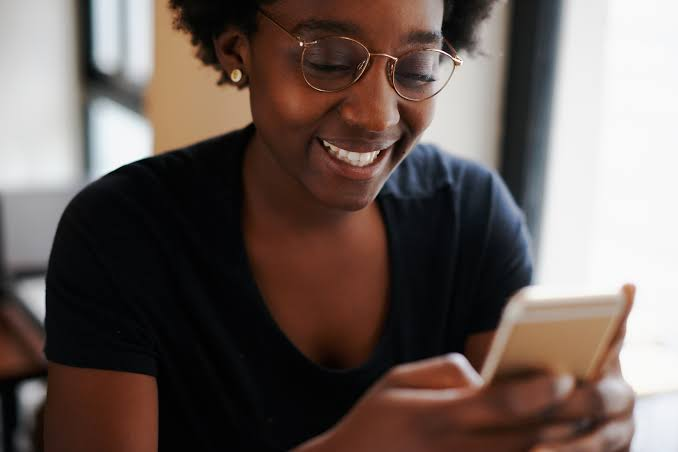
The first date is over, but the questions may only be beginning. Did the other person enjoy themselves? Should you send a message first? And how long should you wait before reaching out?
Knowing what to text after a first date can feel surprisingly difficult, especially when you are interested in seeing someone again. You want to show enthusiasm without appearing overwhelming, keep the conversation going without forcing it and understand whether the other person feels the same way.
A thoughtful follow-up message can make those first steps easier. It gives you an opportunity to express appreciation, communicate your interest and potentially arrange another date.
Relationship experts recommend keeping your message sincere, personal and appropriate to how the date went. Here are 25 examples, along with advice on when to text and how to interpret the response.
Why Texting After a First Date Matters
A message after a first date may seem like a small gesture, but it can help establish how two people communicate as they get to know each other.
Clinical psychologist Sabrina Romanoff, PsyD, recommends reaching out to show that you enjoyed someone’s company and appreciate the time they spent with you.
Licensed marriage and family therapist Claudia de Llano also explains that following up can communicate interest and help establish the tone for future interactions.
Here are some reasons a post-date message can be worthwhile.
1. It Shows That You Are Interested
If you enjoyed the date, telling the other person can help prevent unnecessary uncertainty.
You do not need to write a long message or make a grand romantic declaration. A simple thank-you can communicate that you would like to stay in touch.
2. It Reduces Guesswork
Both people may leave a first date wondering how the other person feels.
A short message gives you an opportunity to express your own feelings instead of relying on assumptions about facial expressions, conversations or how the evening ended.
3. It Keeps the Conversation Going
A thoughtful follow-up can create a natural opportunity to continue discussing something you talked about during the date.
It might be a shared interest, a funny experience or a recommendation you exchanged.
4. It Can Lead to a Second Date
If you are interested in seeing the person again, your message can make that intention clear.
Rather than waiting for the other person to guess, you can suggest another activity and find out whether they are interested.

5. It Shows Appreciation
Even if you do not want another date, acknowledging someone’s time and company can be a considerate way to end the interaction.
A respectful message can provide clarity rather than leaving someone wondering whether you intend to stay in touch.
What to Text After a First Date: 25 Examples
The best message depends on how the date went and what you want to communicate. You might want to express excitement, make the other person laugh, suggest another date or politely explain that you are not interested.
Here are 25 examples to help you find the right words.
Messages to Show You Enjoyed the Date
If you had a good time and want the other person to know, start with something warm and straightforward.
- “Hey, I had a really great time tonight. Hope you got home safely!”
- “Thanks for such a lovely evening. I really enjoyed getting to know you.”
- “That was so much fun. I’d definitely be happy to do it again.”
- “I enjoyed spending time with you today. Hope the rest of your evening went well!”
- “Just wanted to say I had a great time. Thanks for making the evening special.”
Flirty Texts After a First Date
If there was mutual chemistry and playful conversation, a little flirting can help maintain the mood.
- “I have to admit, you’re even more interesting than I expected.”
- “I wasn’t expecting to laugh that much tonight. You’ve definitely made a good impression.”
- “I think we might have to continue that conversation over another date.”
- “Not going to lie, I’m already looking forward to seeing you again.”
- “I had a lovely time. Is it too early to say we should do that again?”
Personal Messages That Mention Something From Your Date
Referring to a specific moment can make your message feel more thoughtful than a generic follow-up.
- “You have to send me the name of that song you played in the car. I’ve been thinking about it ever since.”
- “I’m still laughing about that ridiculous trivia question. We definitely need a rematch.”
- “That cheesecake we shared was incredible. I think we found our new favourite dessert.”
- “I tried that restaurant recommendation you mentioned before leaving. You might actually know what you’re talking about!”
- “I really enjoyed hearing about your travels. You’ll have to tell me more next time.”
Texts to Suggest a Second Date
If you are confident that you want to meet again, there is nothing wrong with making the suggestion.
- “I’d love to see you again. Are you free sometime next weekend?”
- “I had a great time tonight. Would you be interested in checking out that new restaurant together?”
- “We didn’t get to finish our conversation about movies. How about continuing it over coffee?”
- “I enjoyed today. There’s a place I’ve been wanting to visit, and I think you’d like it.”
- “Would you be up for another date? I feel like there’s still plenty for us to talk about.”
Messages When You Are Not Interested in Another Date
If you do not feel a romantic connection, a kind and clear message can help avoid giving someone false hope.
- “Thank you for a lovely evening. I enjoyed meeting you, but I didn’t feel the romantic connection I was hoping for. I wish you all the best.”
- “It was nice getting to know you. I don’t think we’re the right match romantically, but I genuinely wish you well.”
- “Thanks for spending time with me. I had a pleasant evening, but I don’t see this developing into a relationship.”
- “I appreciate the date and your company. I want to be honest that I didn’t feel the connection I was looking for.”
- “You’re a lovely person, and I’m glad we met. I just don’t think we’re a romantic match. Take care!”
The Dos and Don’ts of Texting After a First Date
Knowing what to say is only part of the process. How you communicate can also influence how comfortable the interaction feels.
What to Do
Send a follow-up message.
If you enjoyed the date, communicate that rather than assuming the other person will work it out. A simple message can be enough.
Mention something specific.
Referencing a shared joke, interesting conversation or memorable part of the date makes your message feel personal.
Sabrina Romanoff recommends being yourself and communicating naturally, as though you were continuing the conversation you had in person.
Keep the message light and positive.

A first-date follow-up does not need to become an emotional confession. A friendly, sincere message is usually more appropriate than an intense declaration about your future together.
Match their communication energy.
If the other person sends a warm, enthusiastic message, responding with similar enthusiasm can help the conversation develop naturally.
However, matching someone’s energy does not mean copying every message or deliberately delaying replies.
Be honest about your intentions.
If you want another date, say so. If you do not feel a connection, communicate that respectfully instead of leaving the other person guessing.
What Not to Do
Don’t overthink every word.
You do not need to spend hours editing a short message. Trying too hard to sound perfect can make a simple interaction unnecessarily stressful.
Don’t become too intense too quickly.
Avoid telling someone that they are your soulmate or that you have already imagined your future together after one meeting. Give the relationship time to develop.
Don’t bombard them with messages.
Sending multiple follow-ups before receiving a response can make the other person feel pressured. Give them time to reply.
Don’t interrogate them about their dating history.
Questions about previous relationships, past partners and romantic experiences can wait until you know each other better.
Don’t send emotional messages while drunk.
Alcohol can affect judgement and make it easier to send something overly personal or confusing. If you have been drinking, consider waiting until you are sober.

Don’t use silence as a dating strategy.
Deliberately withholding communication to appear less interested can create unnecessary confusion. You can show interest without sending constant messages.
When Should You Text After a First Date?
There is no universal rule about the perfect time to send a follow-up message.
However, if you enjoyed the date, sending a message later that evening or the following morning is a reasonable approach.
Romanoff and de Llano’s advice supports communicating appreciation and interest rather than relying on dating games.
You could send something simple such as:
“Hey, I had a really nice time tonight. Thanks again for meeting up. Hope you got home safely!”
The old three-day waiting rule is not a requirement. You do not have to delay a message simply to avoid appearing eager.
At the same time, there is no need to send a message immediately if you are still travelling home or want a little time to think about the experience.
The important thing is to communicate naturally and avoid using timing as a way to manipulate someone’s interest.
How to Tell If Your Date Is Interested Through Text
A person’s response can offer some clues about their interest, although one message is not enough to determine exactly how they feel.
Consider the overall pattern of communication rather than focusing on a single reply.
If They Respond Enthusiastically
A warm response, questions about your day or suggestions for another meeting may indicate that they enjoyed the date.
If you are also interested, reciprocate the enthusiasm and keep the conversation going.
You might say:
“I had a great time too! We should definitely plan something for next week.”

If Their Response Is Short or Lukewarm
A brief response such as “Thanks, I had a nice time too” does not necessarily mean the person is uninterested.
They may be busy, tired or simply less expressive over text.
You can respond politely and give them room to continue the conversation. If the communication remains consistently one-sided, consider whether it is worth pursuing.
If They Say They Are Not Interested
Rejection can be disappointing, particularly if you felt the date went well.
However, it is important to respect their decision rather than trying to persuade them to reconsider.
A simple response could be:
“Thanks for being honest. I enjoyed meeting you too, and I wish you the best.”
Not every first date leads to a relationship, and that does not mean something is wrong with either person.
What If They Don’t Reply to Your First-Date Text?
Waiting for a response can be uncomfortable, especially when you are excited about someone.
Before assuming the worst, remember that people have different schedules, communication habits and priorities.
Here is how to handle the situation:
- Give them time: They may not be available to respond immediately.
- Avoid sending repeated messages: One follow-up is generally enough. Multiple unanswered texts can create unnecessary pressure.
- Do not make assumptions too quickly: A delayed response does not automatically explain someone’s feelings.
- Pay attention to the overall pattern: Consistently unanswered messages or a lack of effort may suggest that the interest is not mutual.
- Be willing to move on: You do not need to keep pursuing someone who is not making an effort to communicate.
If someone does not respond, you can choose to leave the conversation there. Your time and attention deserve to be reciprocated.
The Bottom Line
Texting after a first date does not need to be complicated. A thoughtful message can show appreciation, communicate interest and create an opportunity for another meeting.
Keep your words sincere, mention something memorable from the date and communicate what you actually want. You do not need to follow strict waiting rules or analyse every response.
If the interest is mutual, let the connection develop naturally. If it is not, accept the outcome and move forward. Dating is about discovering compatibility, not convincing someone to choose you.