

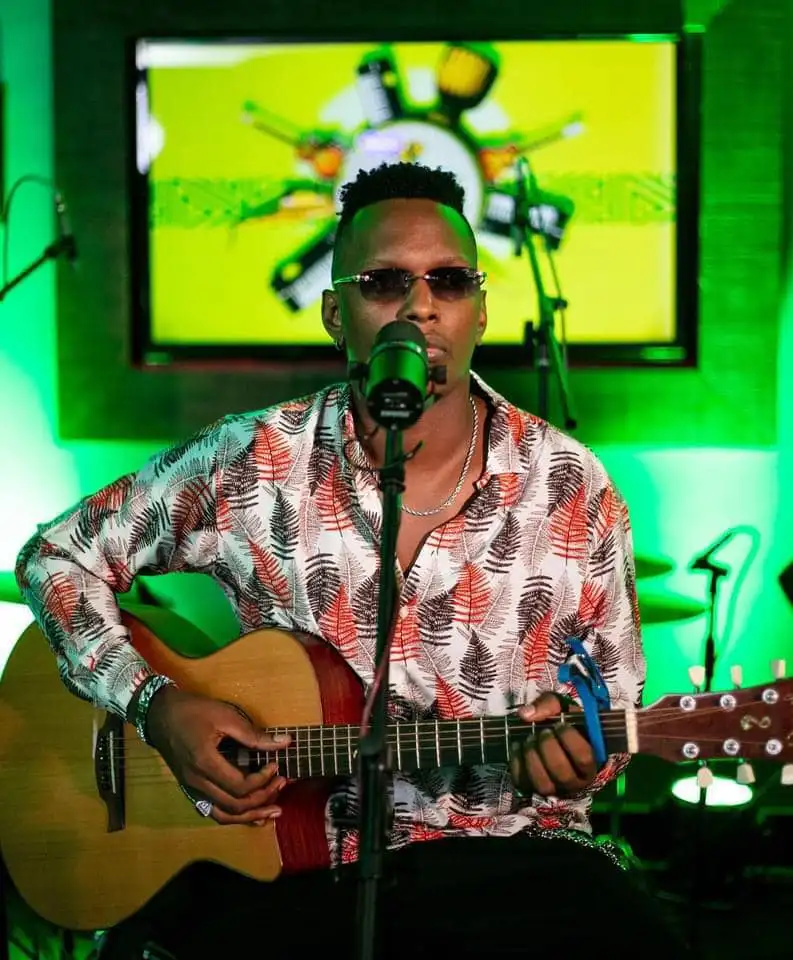
Uganda’s music industry has produced some of the country’s most memorable entertainers, with several musicians enjoying incredible runs before gradually losing their dominance in the mainstream scene.
Some became household names through hit songs that dominated radio stations, television countdowns, nightclubs and school parties. Others built loyal fan bases with their distinctive sounds, powerful vocals and unforgettable performances.
But the music industry is constantly changing. New artists emerge, musical trends evolve, and some established performers find themselves receiving less attention than they once commanded.
While a few deliberately stepped back to pursue other interests, others have experienced personal challenges, management disagreements or career setbacks.
From former dancehall heavyweights to celebrated R&B singers, here are 10 Ugandan musicians whose reduced mainstream presence has left many fans wondering what happened to them.
1. Mun*G
If you attended high school between 2012 and 2016, chances are Mun*G provided the soundtrack to some of your best memories.
The rapper became one of the most recognisable voices among young Ugandan music fans, delivering popular records such as Sejjusa, Kankunganye alongside Gudlyfe and Champion.
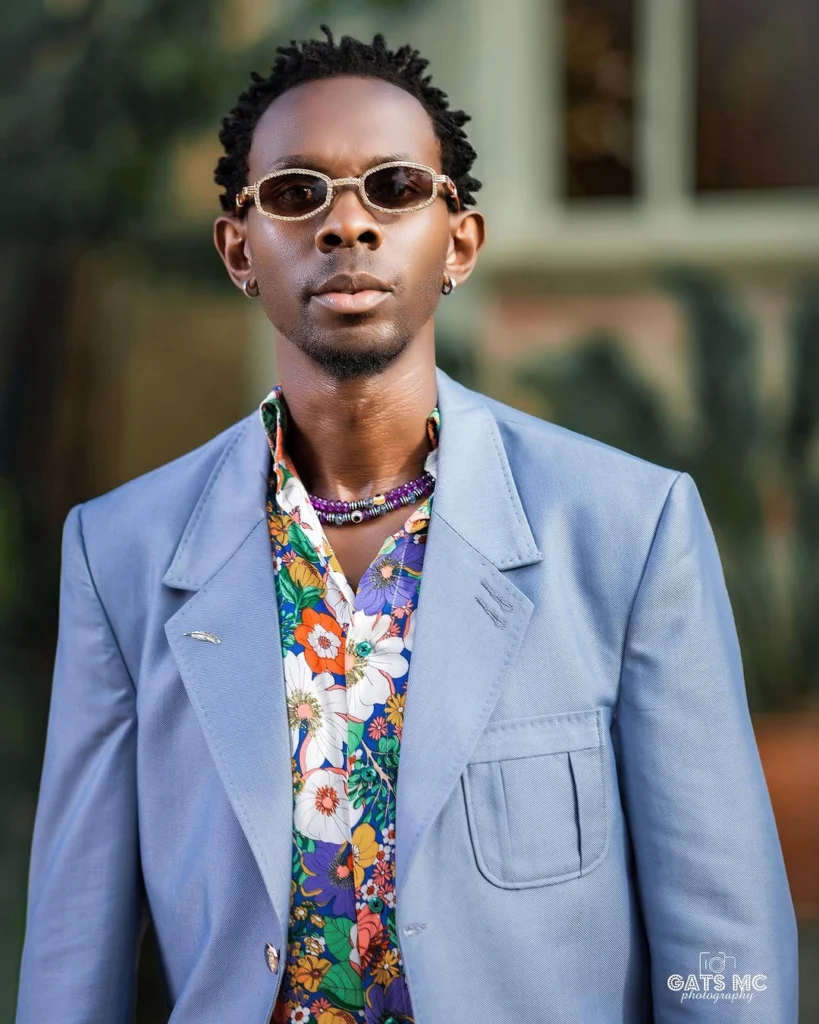
His music connected particularly well with the younger generation, making him a familiar name during an important period in Uganda’s hip-hop scene.
However, Mun*G has repeatedly maintained that music is more of a hobby than a full-time career pursuit. That approach allows him to release music at his own pace rather than constantly chase industry demands.
Although his mainstream visibility has reduced, his contribution to the music that defined an era for many young Ugandans remains memorable.
2. Daddy Andre
Daddy Andre was once one of the busiest names in Ugandan music.
The singer, songwriter and producer enjoyed an impressive run with records such as Sikikukweka and Andele, establishing himself as a major force behind several popular songs.

His ability to write, produce and perform music made him an important figure in the industry, with his sound becoming a familiar presence on radio and television.

In recent years, however, his mainstream musical presence has been less prominent than during his peak.
Although he remains associated with the entertainment industry, fans who remember his hit-making period would certainly welcome another major run from the talented musician.
3. Allan Toniks
At his peak, Allan Toniks was among Uganda’s most recognisable R&B singers.
His smooth vocals, romantic lyrics and charming personality earned him a loyal following, particularly among fans of love songs.

Records such as Sikuleka, Falling featuring Fille and Romance helped establish his reputation as one of the country’s notable R&B performers.
Toniks has not completely disappeared from public life and remains active on social media. However, his music career no longer commands the same mainstream attention it once enjoyed.
For fans who grew up listening to his romantic records, another successful musical chapter would be a welcome development.
4. Nutty Neithan
Nutty Neithan was one of the exciting voices in Uganda’s dancehall scene around 2016.
The singer enjoyed considerable attention with songs such as Lwaki Tonsasira, Walk 2 Work and Bakuwe Kyonywa, which helped establish him as a promising dancehall act.
His energetic style and Jamaican-inspired sound made him stand out during a period when dancehall was particularly influential in Uganda.

Although his mainstream presence as a recording artist gradually reduced, Nutty Neithan has continued making music and is also recognised for his songwriting contributions to other performers.

Nevertheless, his name remains part of conversations about the dancehall artists who once dominated Uganda’s music scene.
5. Zulitums
Oh Zuli, where are you?
Zulitums enjoyed a promising period in Uganda’s entertainment industry, combining a distinctive musical identity with the image and personality of an emerging star.
However, his career experienced challenges, including disagreements with his former management.
The singer has previously spoken about how those management-related difficulties affected his musical journey and contributed to the decline in his career momentum.
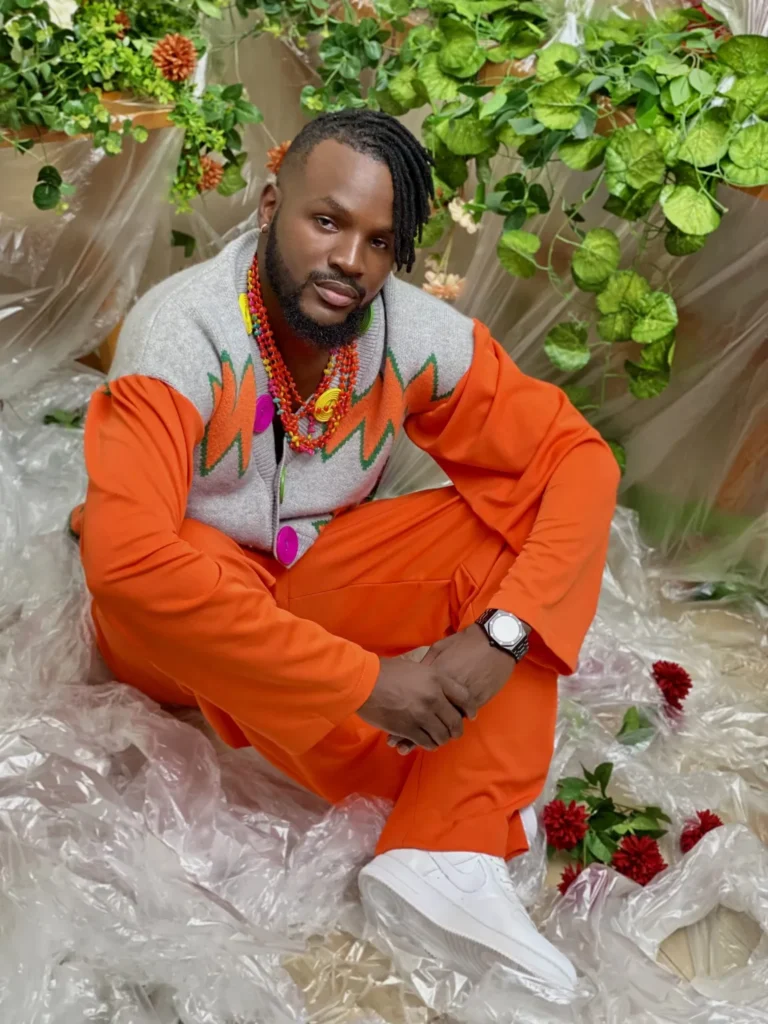
Although he has been working to find his way back into the industry, he has yet to regain the level of attention he once enjoyed.
His story is a reminder of how management relationships and industry challenges can influence an artist’s career trajectory.
6. Santana Karma
Santana Karma is another musician whose earlier records still bring back memories for Ugandan music lovers.
The rapper gave fans songs such as Jajja Wo and Oyogera Bubi featuring Glen Fame, establishing a recognisable identity within the local music scene.
He demonstrated the potential to become a major name, with a style that helped him stand out during his active period.

However, his mainstream presence gradually declined, and he has not maintained the same visibility he once enjoyed.
For listeners who remember his music, his reduced presence remains one of those unexplained changes in Uganda’s entertainment industry.

7. Fille
Fille’s music journey has been filled with remarkable highs and difficult personal chapters.
The singer once enjoyed considerable success thanks to her powerful vocals and memorable songs, becoming one of the notable female voices in Uganda’s music industry.
However, her career was affected by personal challenges, including publicly discussed struggles with substance abuse that led her to seek rehabilitation.

Her relationship difficulties and personal life also attracted considerable media attention.
Fille has since stepped away from Uganda’s mainstream music spotlight and, according to the supplied report, is currently living in Rwanda.
Despite the challenges, her musical talent remains memorable to fans who would love to see her return to the recording scene.
8. Jamal Wasswa
Jamal Wasswa was once among the singers responsible for some of the romantic records that had Ugandan music fans singing along.
Known for his smooth delivery and love-themed songs, he built a loyal following and became a familiar name among listeners who appreciated melodic Ugandan music.
Although he continues to enjoy recognition for his previous work, his newer releases no longer receive the same mainstream attention.

He appears to have maintained a connection with audiences through performances of his older hits.
Still, fans who remember his earlier success would welcome more fresh music from the singer.
9. Beenie Gunter
Did Uganda fail Beenie Gunter, or did the music industry simply move on?

Beenie Gunter brought a distinctive dancehall energy to Uganda’s music scene, drawing inspiration from Jamaican sounds while developing his own musical identity.
He enjoyed a period of considerable success, releasing songs that established him as one of the country’s exciting dancehall performers.

His style helped him carve out a place in a competitive industry, particularly during a period when dancehall enjoyed strong popularity among Ugandan audiences.
However, his mainstream visibility gradually declined, leaving fans wondering what happened to the artist who once appeared destined for an even bigger career.
10. Peter Miles
Peter Miles is another name that immediately brings back memories of a remarkable era in Ugandan dancehall.
The singer became one of the defining performers of his generation, giving fans a distinctive sound that helped shape the country’s dancehall landscape.
His music remains associated with a period when Ugandan dancehall was developing a strong identity and attracting widespread attention.
Unlike some of the other musicians on this list, Peter Miles largely shifted his attention towards business and opportunities outside music.

Although his mainstream musical appearances have reduced, his contribution to Ugandan dancehall remains part of the genre’s history.
For longtime fans, his name still carries the nostalgia of an era they would happily revisit.
Which Other Ugandan Musician Deserves to Be on This List?
The careers of these 10 musicians demonstrate how quickly the entertainment industry can change.
Some artists have deliberately slowed down, others have faced difficult circumstances, while a few continue working outside the level of mainstream attention they once commanded.
But fading from the spotlight does not necessarily mean losing talent, relevance or the ability to make a comeback.
Which other Ugandan musician would you add to this list?