


For years, Ugandan artists have dominated airwaves, packed concerts, and created some of East Africa’s biggest anthems — yet many still struggled to make sustainable money from their own music.
Now, according to Justice and Constitutional Affairs Minister Norbert Mao, that painful cycle may finally be coming to an end.
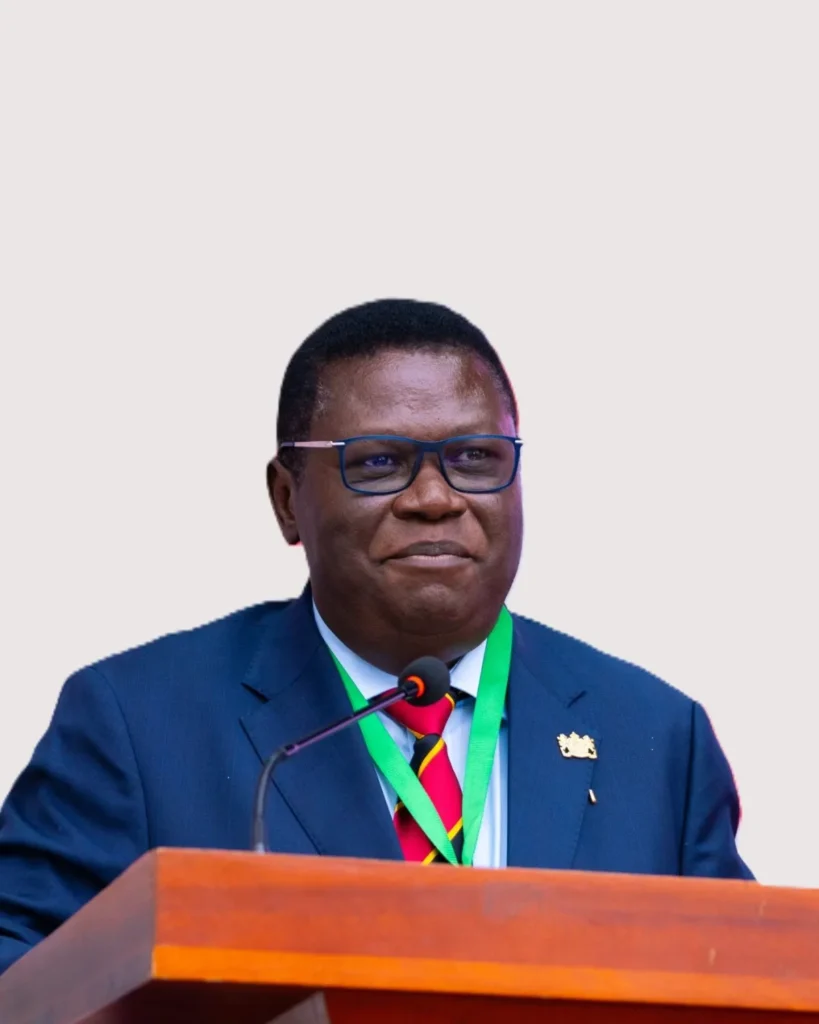
In remarks already generating massive conversation across the entertainment industry, Mao welcomed the newly assented Copyright and Neighbouring Rights Act, describing it as a game-changing moment for Ugandan creatives.
And his message was blunt.
“Whenever there is a challenge, artists have had to go begging,” Mao said.
“But now they are going to eat from their own sweat.”
That line instantly exploded online.
Because for many artists, producers, songwriters, and entertainers, it touched a long-standing frustration that has haunted Uganda’s creative industry for years.
Music everywhere.
Money nowhere.
At least for the creators.
But that’s exactly what the new law now hopes to change.
According to Mao, Parliament recently passed the Copyright and Neighbouring Rights legislation before it was officially assented to by President Yoweri Kaguta Museveni.

The law is expected to strengthen intellectual property protections and create systems designed to ensure artists receive compensation whenever their work is publicly used.
And then things got really interesting…
Mao revealed that the government is preparing to launch a national copyright management system capable of tracking where music is played across the country.
Yes — tracking.
According to the minister, the system will reportedly be installed in radio stations, television stations, bars, entertainment venues, and other public spaces where music is frequently consumed.
“Soon we are going to launch the copyright management system,” Mao explained.
“Every radio and TV station, as well as bars, will have the system.”
That revelation immediately sparked debate online.
Some artists celebrated the announcement as a historic victory after years of complaints about exploitation and unpaid music usage.
Others questioned whether the system will actually be implemented effectively in practice.
And honestly, both reactions make sense.
Because while the idea sounds revolutionary, Uganda’s entertainment industry has seen many ambitious promises before.
Still, for struggling creatives, even the possibility of proper royalty enforcement feels significant.

For decades, one of the biggest frustrations among Ugandan artists has been the gap between popularity and financial reward.
Songs could become nationwide hits.
Clubs could play them every night.
Radio stations could profit from constant airplay.
Yet the artists themselves often earned little or nothing in return.
That imbalance pushed many musicians into endless sponsorship deals, political affiliations, side businesses, and public fundraising efforts just to survive.
Which is exactly why Mao’s “eat from their own sweat” statement resonated so strongly.
Because beneath the politics and legal language, the issue is deeply personal for many creatives.
It’s about dignity.
Ownership.
And finally getting paid for work people already consume daily.
The viral moment came almost immediately after clips and quotes from Mao’s remarks began circulating online.
Fans immediately noticed how direct he sounded while discussing the financial struggles artists face behind the scenes.

The internet had thoughts — and they were loud.
Some social media users praised the government for finally taking artists’ rights seriously.
Others joked that certain bars and DJs were probably “sweating already.”
A few fans even humorously predicted that some venues might suddenly stop playing music altogether once royalty systems become active.
And honestly? Ugandan Twitter/X turned the entire debate into comedy within hours.
Still, beyond the jokes, many artists appeared genuinely hopeful.
Some musicians described the law as overdue.
Others argued it could completely transform the future of Uganda’s creative economy if implemented transparently and fairly.
Mao also clarified that artists will still have flexibility under the system.
According to him, musicians who choose to allow free usage of their songs for promotional purposes will still have that freedom.
“When an artist decides not to get paid and does it for promotion, that is okay,” he explained.
That detail matters because it gives artists control over how their music is distributed and monetized instead of forcing one rigid system onto every creator.
And that flexibility could become important for emerging artists trying to build visibility before prioritizing royalties.

Still, questions remain.
How exactly will payments be tracked?
Who will collect and distribute royalties?
How transparent will the process be?
And perhaps most importantly — will artists actually trust the system once it launches?
It’s unclear exactly when the national copyright management system will officially become operational.
But one thing is obvious: the conversation around artist rights in Uganda has entered a completely new era.
Beyond music itself, the law could also impact filmmakers, producers, comedians, writers, and other creatives whose work is publicly consumed without consistent compensation.
That’s why many observers are calling this one of the biggest legal shifts Uganda’s entertainment industry has seen in years.
Ironically, the same artists once mocked for “begging” may soon become some of the strongest defenders of intellectual property rights in the country.
And perhaps that’s the twist nobody expected.
One thing’s for sure — if this system actually works, Uganda’s entertainment industry may never operate the same way again. The real question now is: are broadcasters and venues ready for the royalty era?