


Nobody is checking on the men who make the music.
Behind Uganda’s biggest records, its most polished productions, and its most celebrated sounds are people navigating the same pressures, doubts, and private battles that everyone else faces — often without saying a word about any of it.
Artin Pro — one of Uganda’s most respected audio producers — has spent years inside the creative industry watching this pattern play out. And in a recent interview, he said out loud what most people in that world only think quietly.
The silence is real. The reasons for it are specific. And the cost of it is something the industry has never fully accounted for.
Artin Pro, born Martin Musoke, did not frame his perspective as a sweeping condemnation or a crisis declaration. He came at the subject the way a person who has genuinely thought about it does — with nuance, without judgment, and with room for more than one truth to exist at the same time.
“I think it’s a 50-50 situation,” he said. “In the past, people never used to talk about mental health so much. Nowadays, you can find a man going on TikTok and pouring out his heart there.”
He acknowledged both realities without ranking them. The man who posts his pain publicly and the man who absorbs it privately are both navigating the same weight — just through different doors. Neither approach, in his view, is wrong.

“People go through different kinds of challenges in life, and when you find them on social media expressing their pain, I think it’s okay to listen to them. However, some people don’t take that kind of approach, and that’s still okay. Everyone has their own way of handling life and its challenges.”
But then he sharpened the focus — because the general observation about men and silence was not the full point he was making.
He was talking specifically about the creative industry. And inside that world, he said, the silence has names.
“Sometimes men in the creative industry fail to speak out about their struggles because nature, pride, and ego come into play.”
That sentence is doing a lot of work. Pride and ego are not abstract forces in an industry built entirely on visibility, reputation, and the perception of success. In a world where your brand is your income and your image is your business, admitting struggle feels like financial risk as much as emotional exposure.
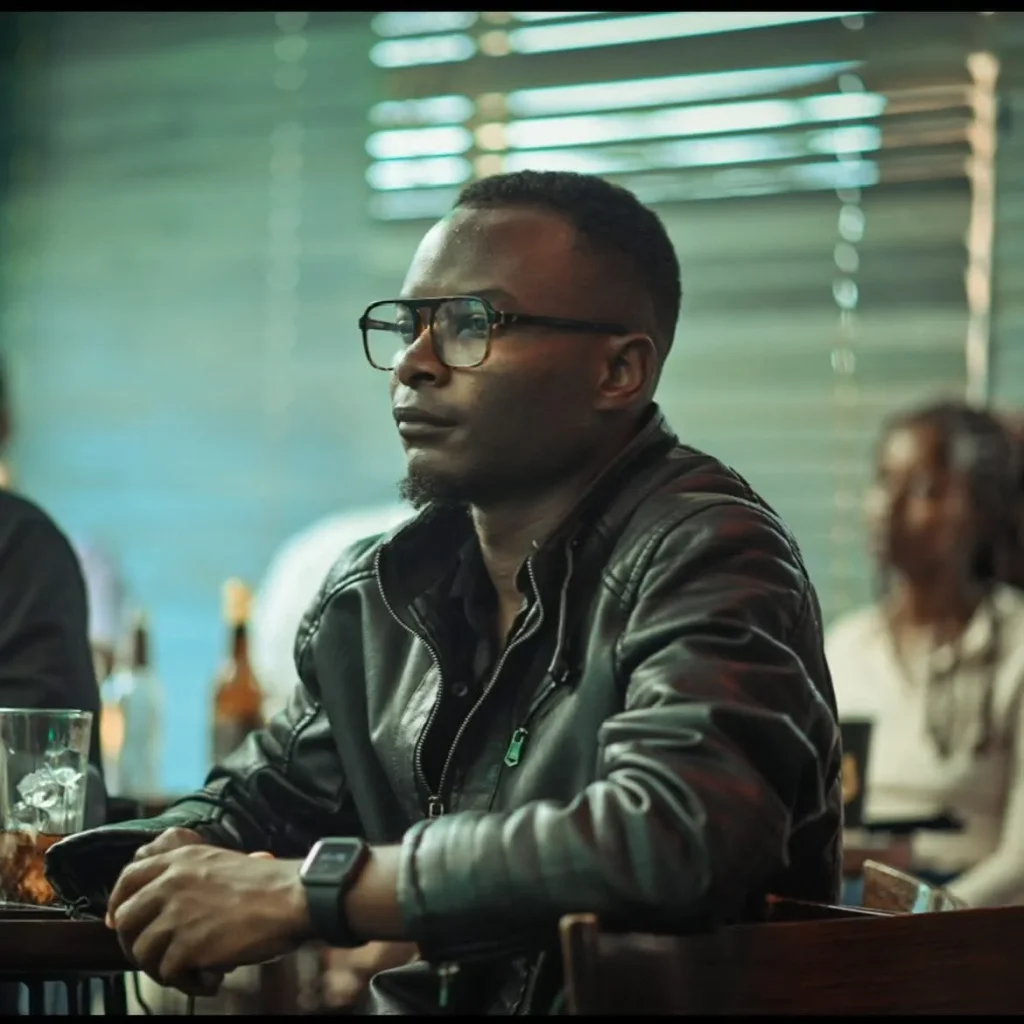
The men who stay silent are not simply being stubborn. Many of them are calculating — consciously or not — what honesty costs them professionally.
And that’s not even the full conversation Artin Pro was having.

Artin Pro has built his career in the spaces most audiences never see — behind the console, in the early sessions, in the unglamorous hours of post-production that turn raw recordings into finished records. Producers occupy a particular position in Uganda’s music ecosystem: essential, often uncelebrated, and frequently operating without the public support structures that artists with visible fan bases can access.
Mental health conversations in Uganda’s entertainment industry have been gaining traction gradually — with more artists speaking publicly about burnout, financial pressure, and the emotional weight of a career built on constant performance and perpetual visibility.
But the male silence Artin Pro describes is a specific subset of that conversation. It lives in the intersection of cultural expectation, professional calculation, and the particular pride that the creative industry both attracts and amplifies. Men who entered the industry to be seen do not find it easy to be seen struggling.
His perspective carries credibility precisely because he is not speaking from the outside. He is describing an environment he works inside daily.
The line about pride and ego resonated immediately in ways that purely clinical mental health language rarely does in entertainment spaces.
Fans and industry figures immediately recognised the specificity of what Artin Pro was describing — not a general male reluctance to discuss feelings, but a professional environment where image is currency and vulnerability feels like depreciation.
The TikTok observation also landed differently than expected. Rather than dismissing public emotional expression as performative, Artin Pro validated it — a move that several people in the comments noted as unusually balanced for an industry where such displays are often quietly mocked by peers.

The comment sections filled with people sharing their own experiences and observations — producers, artists, and behind-the-scenes workers who recognised themselves in the silence he was describing.
Several voices in Uganda’s creative community have responded to Artin Pro’s comments by amplifying the broader conversation around what support actually looks like for men in the industry.
The question of who the creative industry’s men turn to — managers, label executives, fellow artists — when things get genuinely difficult is one that does not have a clean answer. The formal infrastructure for mental health support within Uganda’s entertainment ecosystem remains limited, and Artin Pro’s comments have brought that gap back into focus.
His second point — about protecting your circle and maintaining your individuality in environments filled with people of different characters — is being read by some as a companion message to the mental health observation. The people you surround yourself with shape whether silence feels safe or necessary.
“We work in different environments with people who have different characters, but you should differentiate yourself from them because if you don’t, you may find yourself in a bad situation.”
It is unclear whether Artin Pro was speaking from personal experience or general observation — but the specificity of the warning suggests he has seen what happens when that boundary is not maintained.
What makes Artin Pro’s perspective worth sitting with is what it does not do.

It does not shame the men who stay silent. It does not position public emotional expression as the only valid response to pain. It does not pretend there is a single right way to survive a difficult industry with your sense of self intact.
It simply names the forces at play — pride, ego, expectation — and trusts the listener to recognise them and decide what to do with that recognition.
That is a gentler entry point into a conversation that the industry badly needs to keep having. Not a crisis alert. Not a lecture. Just a senior voice in the room saying: I see what is happening, I understand why, and you are not alone in it.
Here is the thing about an industry built on sound: it is extremely good at filling silence with noise — and extremely poor at sitting with the kind of quiet that means someone is not okay. Artin Pro spent years making music that people feel. His most useful contribution this week might be the conversation he started about what happens when the people making the music have nobody listening to them.
Artin Pro said pride and ego keep men quiet — and then used his own platform to make sure the conversation got louder. That is not a contradiction. That is exactly how it is supposed to work.
Drop a comment — do you think Uganda’s creative industry does enough to support the mental health of the men working behind the scenes?