

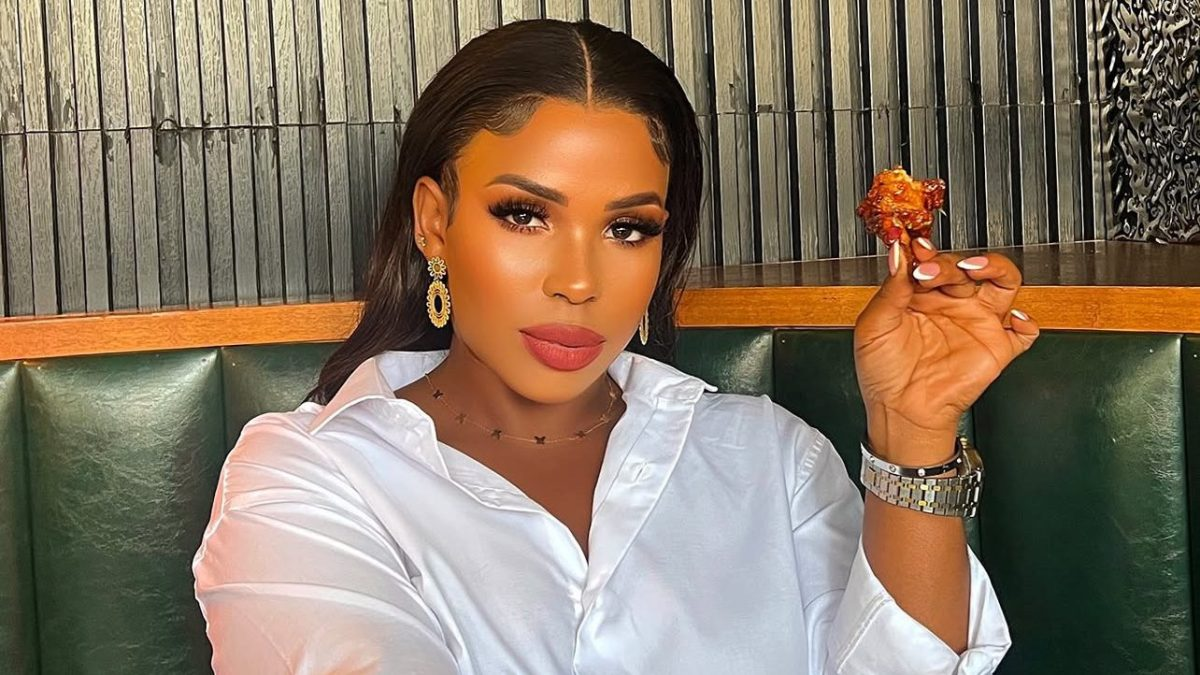
Prima Kadarshi has weighed in on the challenges facing Uganda’s music industry, arguing that poor branding and weak strategic planning are holding many artists back. In her view, Lydia Jazmine‘s recent press conference is an example of why some musicians struggle to elevate their careers despite years in the spotlight.
Speaking during a TikTok Live after Kalifah AgaNaga’s recently concluded concert, the socialite and entrepreneur shared her thoughts on why she believes many Ugandan artists are finding it difficult to stage successful events. While discussing the broader industry, she singled out Lydia Jazmine’s public presentation as something that needs improvement.

According to Prima, talent alone is no longer enough. She believes artists must invest in branding, planning, and professional presentation if they want to compete and grow their audiences.
Using Lydia Jazmine as an example, Prima questioned the quality of the singer’s recent press conference, saying it fell below the standard expected of an artist with years of experience in the music business.

Although she described Jazmine as a friend, Prima said that did not stop her from expressing her honest opinion.
“She will never get the throne because what was that? Was that a press conference really? For someone like Lydia who has been in the game for long… Lydia is my friend but that was poor.”
Prima argued that artists who have spent years building their careers should have teams capable of organizing professional media events that strengthen, rather than weaken, their public image.
She also described Jazmine as “very old” in the industry, suggesting that her level of experience should be reflected in the quality of her branding and overall presentation.

The entrepreneur expanded her criticism beyond one artist, saying she believes a lack of strategy is affecting the wider Ugandan music industry.
According to Prima, musicians who continue investing in concerts without first strengthening their brands and planning effectively should not be surprised if attendance falls short of expectations.
“It is very shameful to Ugandans, you need to do better. That’s why the concerts are going to flop. Stop investing in those events if you aren’t strategic. You’d rather buy a plot and build because that’s what our musicians can do.”
Her remarks came in the aftermath of discussions surrounding Kalifah AgaNaga’s concert, which sparked debate online about concert attendance and the challenges artists face when organizing events.

Prima Kadarshi’s comments followed conversations surrounding Kalifah AgaNaga’s self-promoted concert, which drew mixed public reactions over its turnout. In recent days, AgaNaga has defended the event, saying it achieved its objectives and was financially successful despite criticism.
Against that backdrop, Prima shifted the discussion toward what she sees as a bigger issue within the entertainment industry: branding and long-term planning.
Lydia Jazmine, meanwhile, remains one of Uganda’s most recognizable female artists, with years of experience in the music industry. Prima’s remarks focused specifically on Jazmine’s recent press conference and her broader public presentation.
Prima’s comments add to an ongoing conversation about how Ugandan musicians market themselves beyond releasing music.

As competition for fans, sponsors, and media attention grows, branding, event planning, and professional presentation have become increasingly important parts of an artist’s career. Whether others agree with Prima’s assessment or not, her remarks highlight the growing expectation that established musicians should invest not only in performances but also in the teams and strategies that shape their public image.
Public criticism can be difficult, particularly when it comes from someone within the entertainment industry. By noting that Lydia Jazmine is her friend, Prima suggested her comments were intended as criticism of professional strategy rather than a personal attack.
Whether the singer responds remains unclear. For now, Prima’s remarks have added another perspective to the ongoing conversation about branding, concert success, and the future of Uganda’s music industry.