

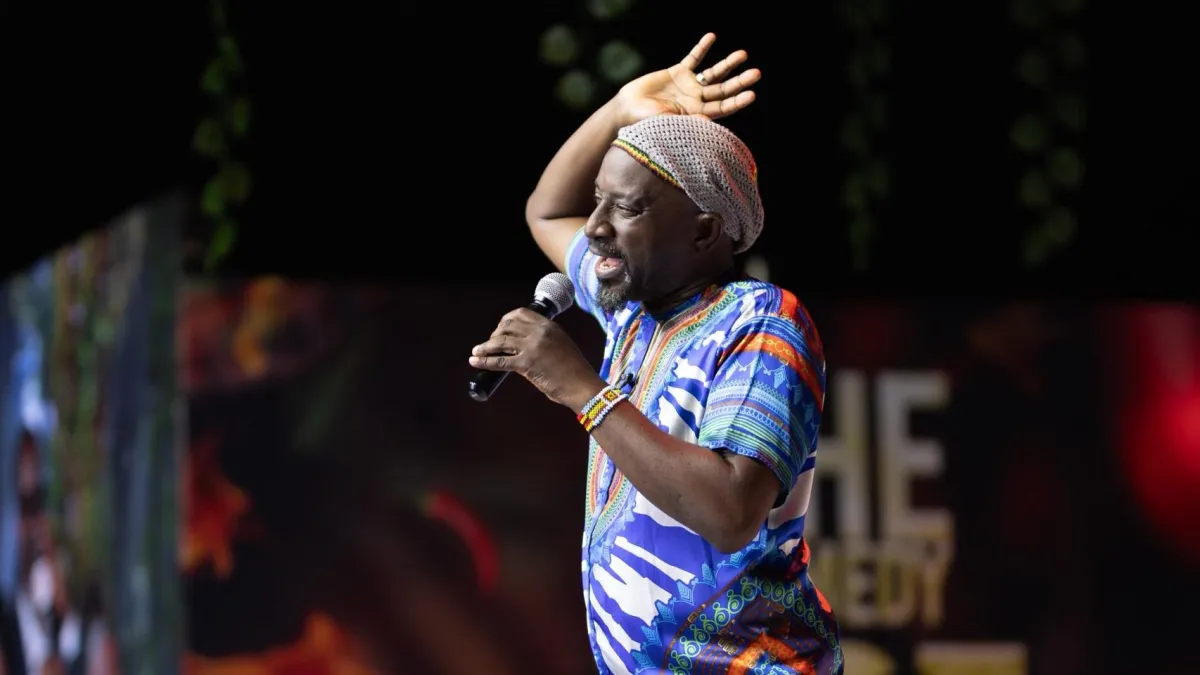
Gaetano Kagwa Warns of Declining Reading Culture in Digital Era
Media personality Gaetano Kagwa has raised concern over what he describes as a growing decline in reading culture, saying many people are now prioritizing quick digital content over meaningful engagement with information.
Speaking during a sit-down interview on Kasuku’s platform, Gaetano reflected on how modern audiences consume content differently compared to previous generations.
According to him, the shift toward short-form media has fundamentally changed how people interact with news, books, and long-form storytelling.
And in his view, it’s not necessarily a positive shift.
“People Have Stopped Reading”
Gaetano did not hold back when describing the current state of information consumption.
He pointed out that many people no longer take time to read or reflect, preferring instant content instead.
“People have stopped reading. People no longer read. Instead of choosing to be in a moment and enjoy it, read a book and what not,” he said.

His comments reflect a broader concern about attention spans in the digital age, where fast-moving content often replaces deeper engagement.
But that’s not even the core of his concern.
The Rise of Speed Over Accuracy
Gaetano also highlighted how the demand to be first online is affecting the quality of information being shared.
He argued that many individuals prioritize speed over accuracy when posting or sharing news.
According to him, this trend contributes directly to misinformation and sensationalized content circulating online.
He referenced remarks made by actor Denzel Washington, aligning with the idea that modern media rewards being first rather than being correct.
“They want to be the first, not necessarily that they are the first with the right information… they want to break the news without doing the research,” he said.

And then he made a broader observation about today’s media culture.
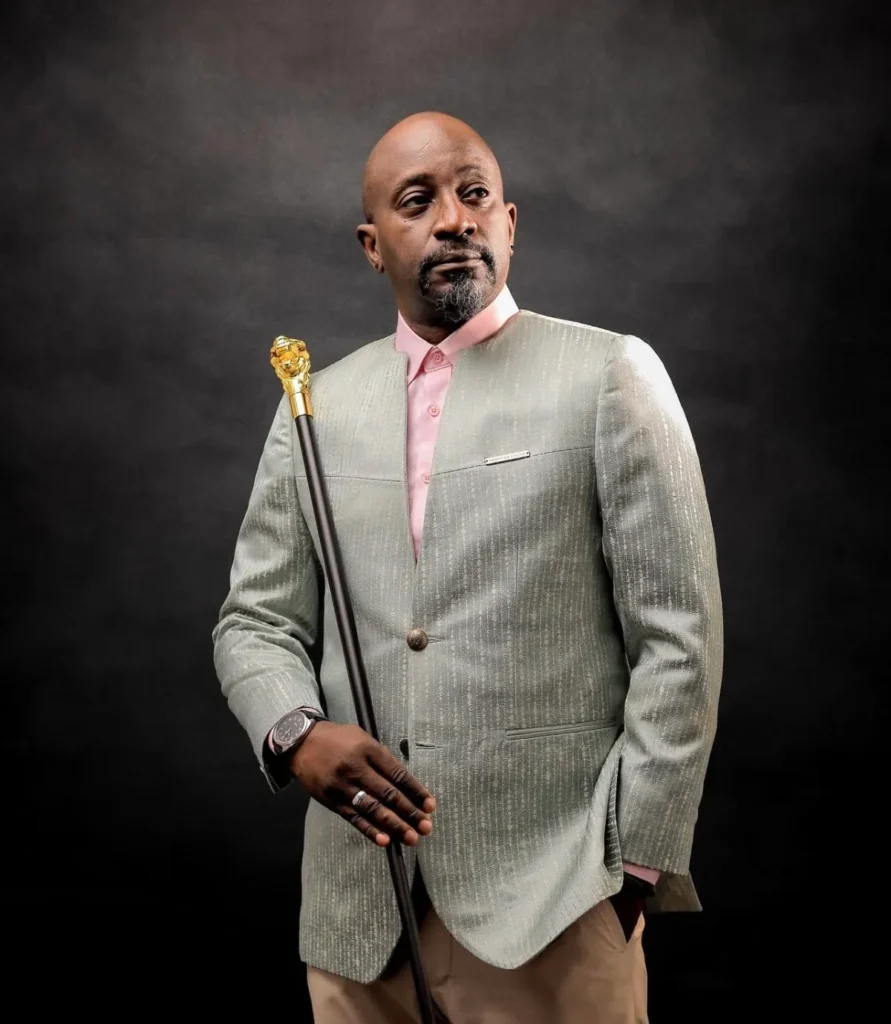
Click Culture and Misinformation Concerns
Gaetano warned that the obsession with breaking stories quickly has created an environment where verification often takes a back seat.
He noted that in today’s digital landscape, attention is frequently prioritized over truth.
This, he argued, has contributed to the rise of clickbait-style content and the spread of unverified claims.
In his view, the problem is not just consumption—but production of information at speed without accountability.
[RELATED: Insert Story About Social Media Misinformation Trends]
A Changing Way of Consuming Information
Beyond criticism, Gaetano acknowledged that digital platforms have fundamentally changed communication.

Short videos, reels, and instant updates now dominate how audiences engage with content.
While he did not dismiss these platforms entirely, he suggested that the balance between entertainment and understanding has shifted too far toward speed.
For him, the concern is not technology itself, but how it is being used.
Fans React to His Comments
Following the interview, Gaetano’s remarks sparked discussion across social media, with users debating whether reading culture is truly declining or simply evolving.
The internet had thoughts, and they were not holding back.
Some agreed with his perspective, saying long-form content is being replaced by surface-level consumption.
Others argued that people still read—just in different formats, such as online articles and digital publications.

Within hours, the conversation had expanded into a broader reflection on media habits and attention spans.
A Bigger Conversation About Media Responsibility
Gaetano’s comments touch on a global issue affecting journalists, content creators, and audiences alike.
As digital platforms continue to prioritize speed and engagement metrics, concerns about accuracy and depth remain central to media discussions.
His perspective adds to growing calls for responsible content creation and critical consumption of information.
In an era dominated by algorithms, the challenge remains balancing reach with reliability.
One thing is clear: Gaetano Kagwa is not just criticizing how people consume content—he is questioning how information itself is being shaped. The real question is, in a world of endless scrolling, who still has time to truly read?