


The Man She Called a Big Brother Is Now a Fugitive. She Heard About It on Social Media Like Everyone Else.
Some news arrives through a phone call from someone close. Some arrives through a quiet conversation, a warning, a heads-up from someone who thought you should know first.
Lydia Jazmine found out the way the rest of Uganda did — scrolling through social media, reading allegations she could not immediately process, about a man she had trusted with her career and called a mentor.
Ronnie Mulindwa — talent manager, businessman, former head of Obsessions music group — stands accused of running an online prostitution and adult streaming racket in Kampala. A raid by the Directorate of Crime Intelligence led to the arrest of 27 young women suspected of participating in the scheme. Mulindwa has been on the run ever since.
And the artist he once managed is now being asked, publicly, what she knew and what she thinks.
Her answer was careful, honest, and more complicated than a simple denial.
“I WAS SHOCKED”
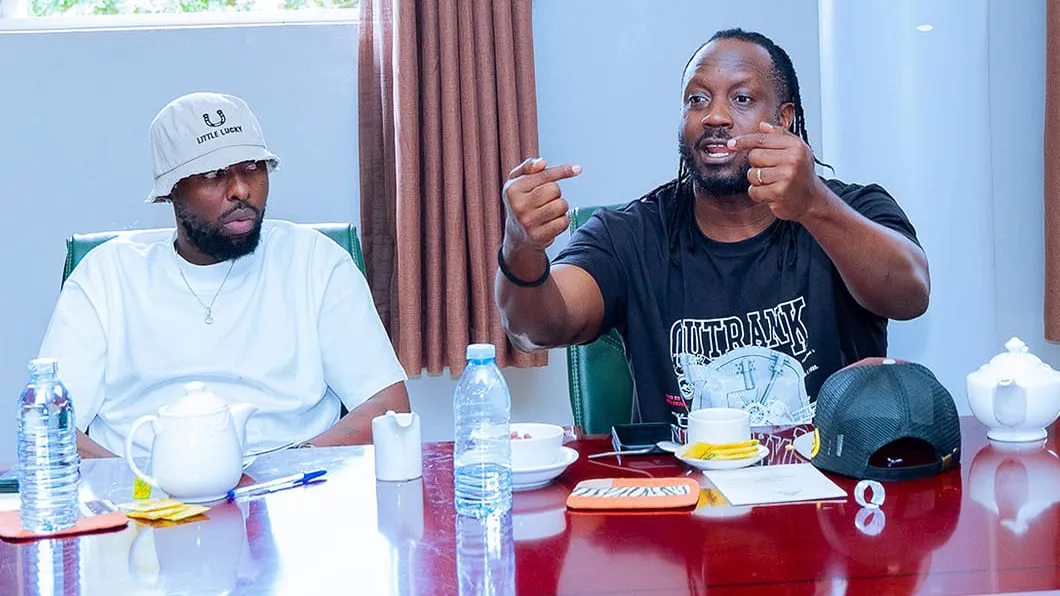
Lydia Jazmine did not perform outrage. She did not rush to distance herself with the kind of dramatic statement that reads more like reputation management than genuine reaction.
She said she was shocked. And the way she said it suggested she meant it.
“I was shocked when I saw such allegations about him because he wasn’t that kind of person to me,” she said. “I don’t know him like that.”
That phrase — to me — is doing significant work in that sentence. She is not vouching for who Ronnie Mulindwa is to the world, to the 27 arrested women, or to the investigators currently pursuing him. She is speaking only to her own experience. Her own version of him.
And her version, she says, was someone entirely different.
But that’s not even the most striking part of what she revealed.
Lydia Jazmine described Ronnie Mulindwa as someone who shaped her — not just professionally, but personally.

“He was like a big brother to me, a very intelligent man who actually nurtured me in business,” she said.
She recalled a working relationship that was respectful, mentorship-driven, and never once crossed into anything inappropriate or sexual. During the period they worked together — which she noted was before the Covid-19 lockdown — she said he guided her, opened doors for her, and invested in her development as an artist.
Their professional relationship was disrupted by the pandemic, which affected their shared plans significantly. But the connection never fully dissolved. She describes them as still friendly, with Mulindwa occasionally forwarding business opportunities her way when people contact him.
Her last in-person interaction with him, she says, was two years ago.
She had not spoken to him since the allegations broke. She had not even tried.
“I could have called him about the rumors,” she admitted, “but I didn’t even want to believe them because I do not know him like that.”
That line tells you everything about where she is emotionally — suspended between the person she knew and the accusations she cannot unsee.

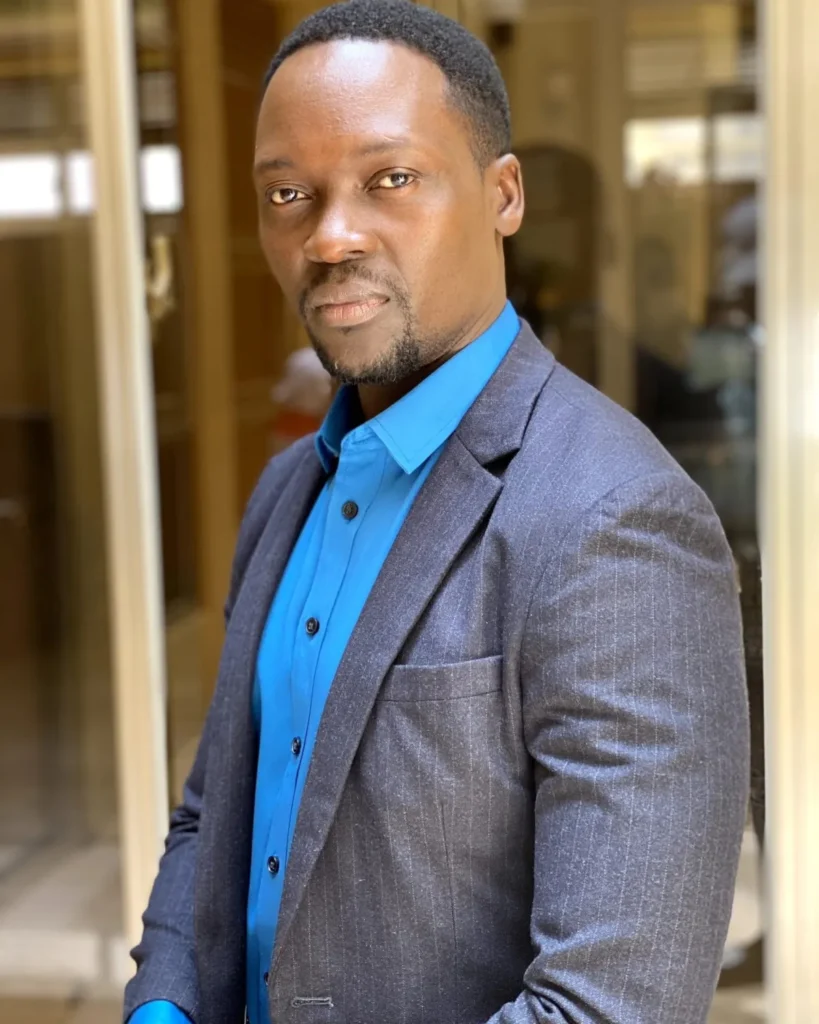
Ronnie Mulindwa built his reputation in Uganda’s entertainment industry through his association with Obsessions, one of the country’s notable music acts, and through his work as a talent manager handling artists at various stages of their careers. He was regarded as a well-connected, business-savvy operator within Kampala’s creative circles.
The raid that brought his name into public scandal was conducted by the Directorate of Crime Intelligence — a serious intervention that resulted in 27 arrests and placed Mulindwa at the centre of allegations involving online prostitution and adult content streaming. The nature and scale of the alleged operation placed it well outside the territory of minor industry gossip.
He has not been apprehended. He remains at large.
For Lydia Jazmine, the timing of speaking about this is delicate. She is not a witness. She is not a suspect. She is a former artist under his management who is now being asked to publicly process a betrayal — if that is what it is — in real time.
Fans immediately noticed what Lydia Jazmine chose not to do as much as what she did.
She did not condemn him. She did not defend him. She drew a precise line around her own experience and stayed inside it — acknowledging the allegations exist, acknowledging she saw them, and refusing to speak beyond what she personally witnessed.
“I can’t speak ill of him,” she said.

The internet had thoughts, and they were not holding back. Some viewers appreciated her restraint, reading it as integrity — a refusal to pile on a man who has not yet faced trial. Others felt the loyalty she extended, even cautiously, to someone now accused of exploiting young women was misplaced.
The comment sections became a debate about what public figures owe the public when people they are associated with face serious criminal allegations.
Some fans believe Lydia Jazmine’s measured response reflects genuine conflict — that she is telling the truth when she says the man she knew bore no resemblance to the one described in the allegations. Others argue that the nature of the accused operation means the people closest to Mulindwa may have been carefully shielded from that side of his life by design.
It’s unclear whether Lydia Jazmine will have any further public comment on the matter, particularly if Mulindwa is eventually apprehended and the case proceeds to court. Sources close to her indicate she has no plans to insert herself further into a legal matter she was not part of.
What is clear is that she chose to speak at all — and did so without a publicist’s script.
There is a particular kind of disorientation that comes with learning that someone you trusted, someone who helped build you, may have been living an entirely different life in spaces you never saw.
Lydia Jazmine is not a victim in this story in any legal sense. But she is someone navigating a quiet grief — the slow unravelling of a version of a person she believed in. The big brother who mentored her in business. The intelligent man who opened doors. The one she could not even bring herself to call, not because she was angry, but because she did not want to confirm what she was not ready to believe.
That is not naivety. That is what trust feels like when it breaks in slow motion.
He mentored her. He called her his own. He forwarded her business even after they stopped working together. And then one day she opened her phone and found his name attached to allegations that made none of that history make sense. Lydia Jazmine didn’t pretend the contradiction away — she sat inside it, said what she knew, and admitted what she didn’t. In a scandal full of people running, that kind of stillness is its own statement.
Lydia Jazmine drew the only line she could honestly draw — around her own experience, her own truth, and the version of Ronnie Mulindwa she actually knew. Whether those two versions of the same man can coexist is a question only the courts, and perhaps he himself, can answer. But one thing is certain — she didn’t run from the question.