

By Wamala Sipirian
Published: September 24, 2026
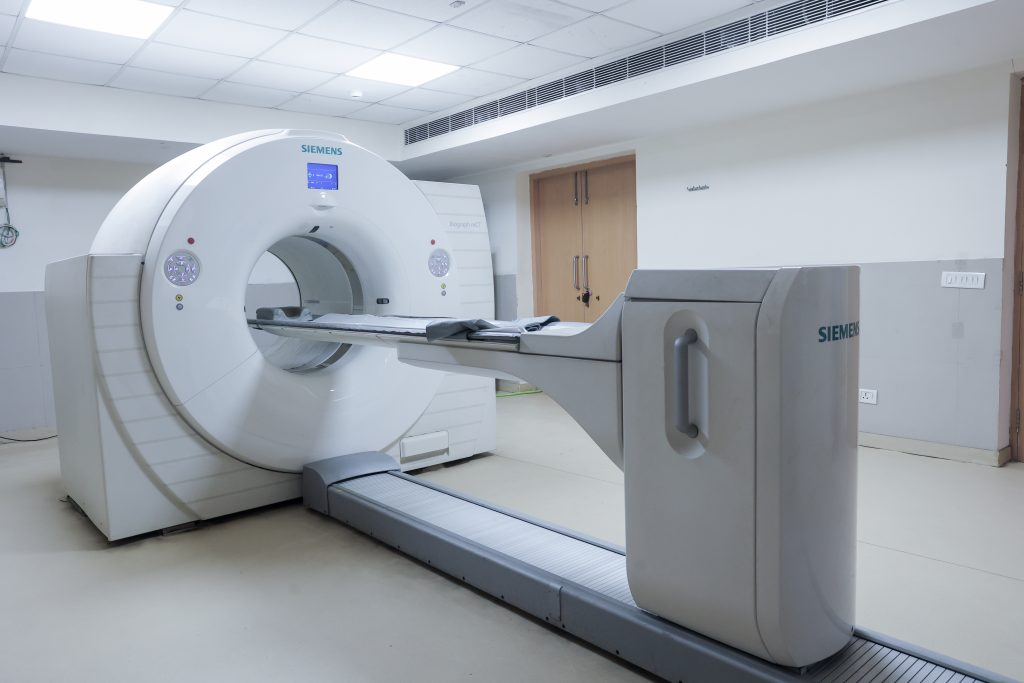
The Uganda Cancer Institute (UCI) has received a Positron Emission Tomography (PET) scanner, with installation underway as the country moves toward expanding access to advanced cancer imaging services.
A PET scan allows doctors to observe activity inside the body at a cellular level. When combined with computed tomography (CT), PET-CT imaging can help identify the location of cancer, determine whether it has spread and assess how a patient is responding to treatment.

The arrival of the scanner is part of UCI’s broader development of molecular imaging, radiopharmacy and targeted cancer treatment services.
Expanding Cancer Diagnostic Services
For years, access to specialised cancer diagnostic services has been one of the factors that has led some Ugandans with the financial means to seek treatment outside the country.
Travelling abroad for specialised medical care can add costs related to transportation, accommodation and treatment to the financial and emotional burden already faced by patients and their families.
UCI has been developing its Division of Molecular Imaging and Therapy, with PET imaging forming part of efforts to expand molecular imaging services in Uganda.

In 2025, the institute said the construction and development of PET facilities were included in the second phase of the project.
Once operational, the PET-CT service could provide Ugandan specialists with additional information about the location and metabolic activity of cancer, supporting diagnosis, staging and assessment of treatment response.
PET Scan and Cancer Care
Unlike imaging that primarily shows the physical structure of a tumour, PET imaging can identify areas of increased metabolic activity.
When combined with CT, the technology can help doctors determine where cancer is located and whether it has spread to other parts of the body. It can also be used to assess whether a patient’s treatment is producing the expected response.

However, a PET scan does not replace other diagnostic investigations.
Patients may still require biopsies, CT scans, MRI examinations and other tests depending on their condition and the clinical decisions being made by their doctors.
PET Scanner Arrives After King Oyo’s Cancer Treatment Abroad
The arrival of the scanner comes after the death of King Oyo Nyimba Kabamba Iguru Rukidi IV, who died aged 34 while receiving cancer treatment in the United States.
The development has drawn particular attention to the potential role of advanced cancer imaging in Uganda.

A PET-CT can provide additional information that doctors can use when assessing cancer, including its distribution and response to treatment. However, access to a PET scanner alone cannot prevent cancer-related deaths or replace the wider range of medical care required by cancer patients.
The equipment is therefore expected to add another diagnostic capability to Uganda’s existing cancer-care infrastructure rather than replace established investigations and treatments.
Installation and Commissioning Still Required
The arrival of the scanner does not mean PET scans are immediately available to patients.
Installation is currently underway and is expected to take about two months. After installation, the equipment will need to undergo testing and commissioning before clinical services can begin.
Technical and clinical teams will also need to be prepared to operate the equipment safely and effectively.
UCI has previously identified molecular imaging as an important component of efforts to strengthen cancer diagnosis and treatment in Uganda.
For patients and families, the development could eventually reduce the need to travel abroad for specialised PET imaging, once the equipment has been fully installed, tested and commissioned.