

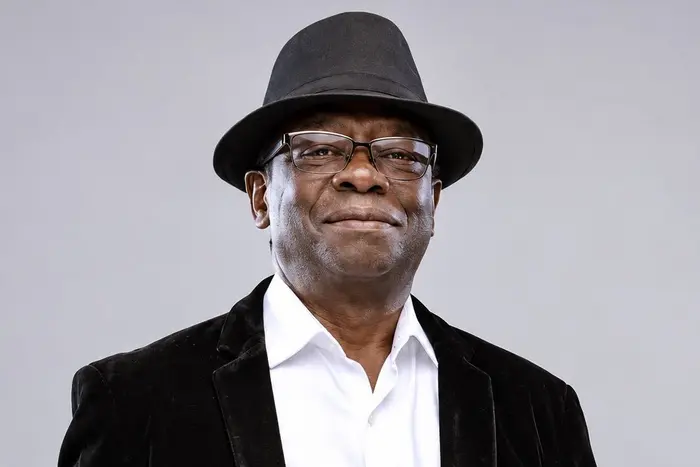
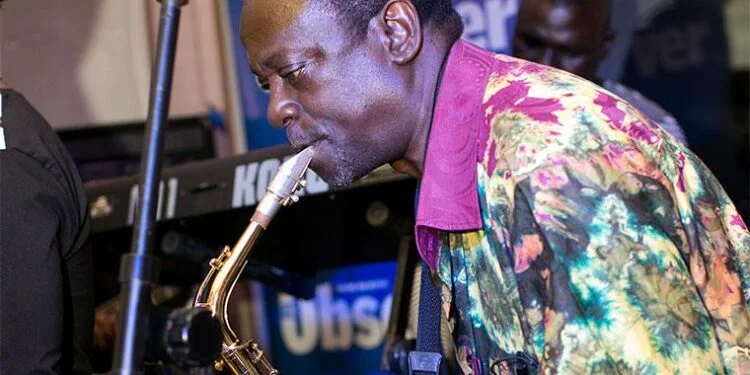
Veteran Ugandan musician Moses Matovu, the singer, saxophonist and longtime leader of Afrigo Band, has died aged 77 after an attack in Kibuli, bringing an extraordinary music career spanning nearly six decades to an end.
Matovu died at Kibuli Hospital on September 24, 2026, after unidentified assailants reportedly attacked him at Kibuli Market Zone B in Makindye Division, Kampala. Kampala Metropolitan Police spokesperson Rachael Kawala said Kabalagala Police had registered a case of suspected murder, with investigators visiting the scene and beginning a search for the attackers.
Police had not disclosed the motive, number of assailants or weapon used at the time of publication.

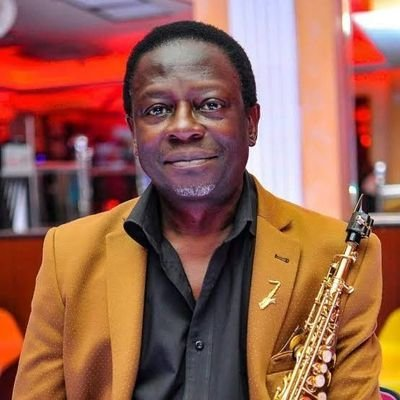
For generations of Ugandan music fans, Matovu—widely known as Papa Moi—was synonymous with Afrigo Band. He helped establish the group in the mid-1970s and remained its central figure for five decades, guiding it through political upheaval, changing musical tastes and repeated changes in membership.
Born in Kawempe on June 19, 1949, Matovu discovered music early. He joined the Namirembe Cathedral choir at just four years old before attending Namirembe Primary School, Kibuli Secondary School and Pillai’s Secondary School.
His education was disrupted by the 1966 political crisis between the central government and the Buganda Kingdom. But while his academic path was affected, Matovu was already developing another possible career: football.
He played for Nakivubo Boys, Lint Marketing Board, Police FC, Express FC and Fiat FC before eventually leaving competitive football in 1972 to concentrate fully on music.
Matovu had entered professional music as a vocalist with Thunderbirds Band in 1967. He joined the Police Band in 1968 and moved to Cranes Band the following year, gaining experience as a singer, composer and instrumentalist while developing his skills on saxophone and flute.
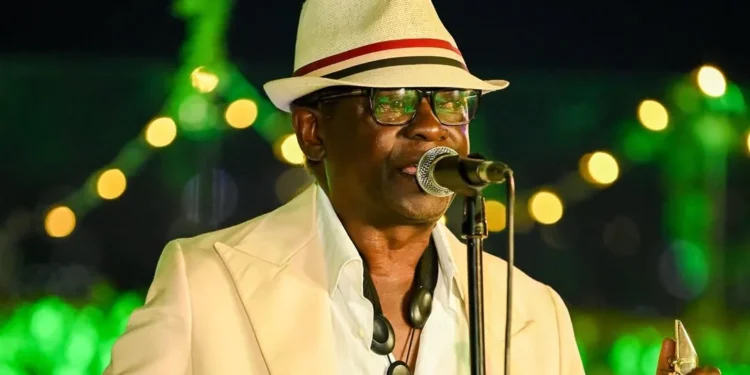
After disagreements within Cranes Band, Matovu and several colleagues formed the group that became Afrigo Band. Although accounts differ on whether its beginnings should be traced to 1974 or 1975, the band formally emerged in 1975 and later recognized August 31, 1975, as its founding date.

The group went on to become Uganda’s longest-serving musical band, blending Congolese rumba, jazz and funk with Ugandan rhythms. Its repertoire included songs about love, marriage, poverty and everyday life, with notable recordings including Afrigo Batuuse, Nantongo, Speed, Jim, Obangaina and Rose Guma.
Matovu also composed songs including Nantongo, Silina Anantwaala, Teri Mubi, Emiziro, Genda Osome and Afrigo Batuuse. His first recorded song, Jimmy Saasira, came in 1970, followed by Emiziro in 1971.
Perhaps his most enduring contribution, however, was his role in developing musicians. Over the decades, Afrigo became a training ground for performers including Joanita Kawalya, Rachel Magoola, Herman Ssewanyana, Frank Mbalire, Tony Sengo and Sammy Kasule, among many others.
Matovu continued recruiting and mentoring younger musicians as generations of performers moved on. He emphasized discipline, rehearsal and live instrumentation as essential to keeping the band alive.
Afrigo celebrated its 50th anniversary in 2025, by which time the group had released more than 20 albums and 200 songs and performed for audiences in Uganda, Europe and the United States.
Matovu had continued performing rather than retiring, believing Afrigo could outlive its founders if younger musicians were given the opportunity to carry it forward.
His death now marks the end of one of the longest chapters in Uganda’s live-music history—and a major transition for the band he spent five decades helping to build.