


Veteran singer and music producer Dr. Tee has sparked a conversation about what qualifies as band music in Uganda, arguing that some of the country’s biggest modern artists have embraced the genre without necessarily being recognised for it.
Dr. Tee specifically pointed to Spice Diana and Jose Chameleone, saying both artists have released music that carries strong band-music elements.
He singled out Spice Diana as an artist who, in his view, is only beginning to fully explore what she can do within the genre.

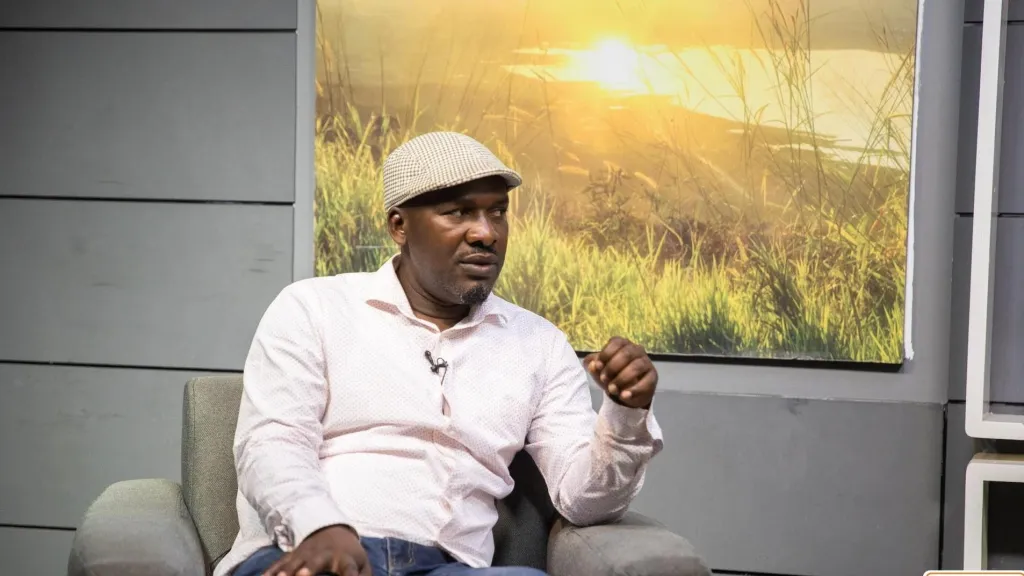
Dr. Tee said he recently spoke to the singer about her musical direction and pointed to her song “Siri Regular” as an example of her connection to band music.
“I was talking to her and I told her she has sung many songs, but I think you are just starting to sing.”
According to Dr. Tee, the reception and commercial performance of “Siri Regular” demonstrated the appeal of that sound, particularly because of its songwriting.

“I told her to look at her revenue and how people received her after singing ‘Siri Regular’. That song’s lyrics are well composed and that’s band music.”
Dr. Tee also suggested that the identity of the artist performing a song can influence how audiences classify its sound.
He argued that if the same instrumental used for one of Spice Diana’s songs were handed to veteran band singer Catherine Kusasira, listeners would be more likely to immediately recognise it as band music.

For Dr. Tee, Spice Diana’s established image as a contemporary artist who has released trendy, high-pitched songs may have contributed to listeners overlooking those elements in her music.
He made a similar argument about Chameleone, going further by estimating that a significant portion of the veteran singer’s catalogue falls within the genre.
“Even most of Chameleone’s songs, 70% of them are band music.”

Dr. Tee attributed that classification to the way Chameleone’s songs are composed, pointing to the combination of different tones and instruments as part of what gives the music its character.
He also praised the songwriting approach, saying the songs were structured with a musical language that keeps listeners engaged rather than becoming repetitive.

The comments offer a different perspective on Uganda’s band-music tradition, suggesting that the genre may extend beyond artists who are traditionally identified as band musicians.
For Dr. Tee, the sound is not necessarily determined by the label attached to an artist, but by the composition, instrumentation and musical approach behind the songs.