


Ugandan singer A Pass has questioned why some pastors respond aggressively to criticism, arguing that judgmental behaviour among certain religious leaders can push people away from the church instead of encouraging them to seek spiritual guidance.
A Pass made the remarks amid the ongoing dispute between businessman Frank Gashumba and several pastors over what Gashumba has described as fake pastors performing fake miracles.

The controversy has drawn responses from religious leaders, including Pastor Robert Kayanja, his wife and his son, as some have publicly challenged criticism directed at pastors and claims about miracles.

Speaking during a TikTok Live session with singer Elijah Kitaka, A Pass questioned why disagreements between religious leaders and their critics so often become confrontational.

He argued that some people within the church judge others based on their appearance, personal mistakes or behaviour that does not align with their beliefs.
“They look at you and judge you by your looks. People in church condemn a lot of people and call out someone over their mistakes or someone who’s doing something contrary to what they believe in, they fight you and put you down. Why is it that people in church put a lot of pressure on those outside and make them hate church and then call them children of Satan?” he questioned.

A Pass suggested that this approach risks alienating people who might otherwise be open to engaging with the church. In his view, criticism and disagreement should not automatically lead to condemnation or personal attacks.
His comments add another public voice to a debate that has expanded beyond Gashumba’s original remarks, attracting discussion among religious leaders, entertainers and other public figures.

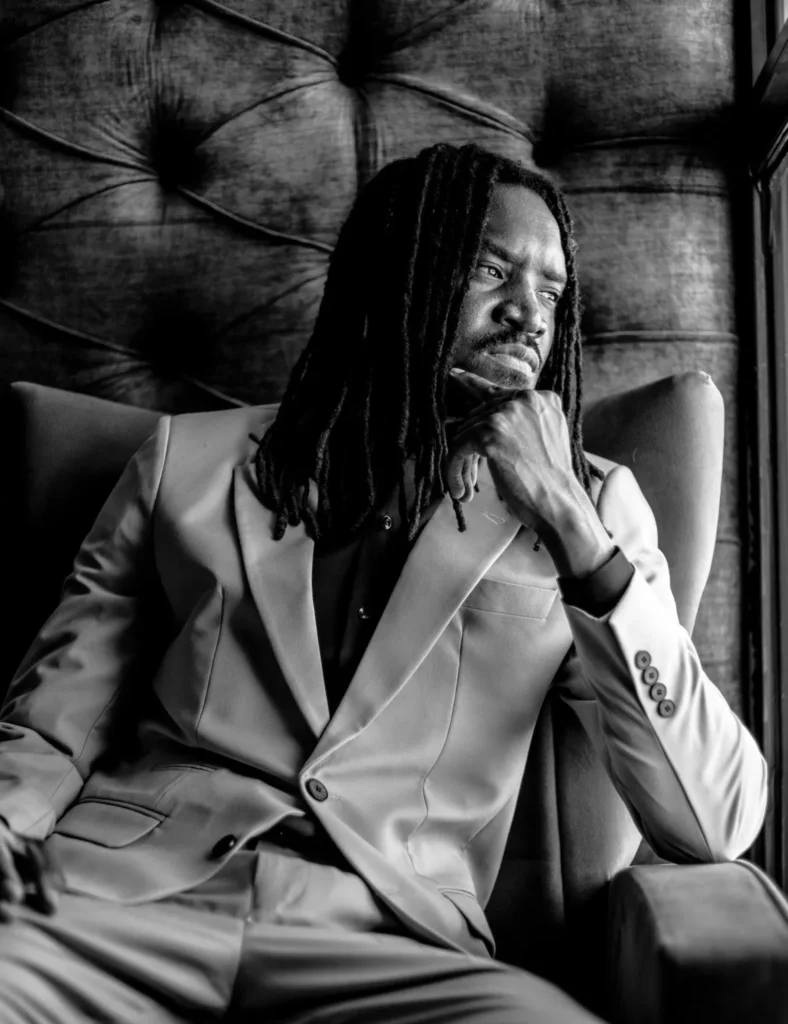
During the same TikTok Live conversation, Kitaka also criticised what he viewed as a tendency among some pastors to dictate how other people should live while failing to meet the standards they expect from others.
The comments from both musicians focus on accountability and the conduct of religious leaders, although their views do not establish whether any specific claims about individual pastors or miracles are true.
The wider dispute has raised questions about how religious leaders respond to scrutiny, the standards expected of those in positions of spiritual authority and the distinction between defending one’s beliefs and condemning critics.
A Pass’s central concern is that people who feel judged or attacked may become more distant from the church. His remarks frame the issue as not only a disagreement over faith and miracles, but also a question of how religious communities treat those who challenge them.