


Abdul Ssekajja has opened up about his decision to marry Ugandan singer Chosen Becky, explaining that her having children was not a barrier to their relationship.
Speaking during a YouTube podcast interview, Ssekajja said his own experience as a parent helped him understand Chosen Becky and made it easier for him to embrace her circumstances.
When asked why he chose to marry a woman who already had children, his answer was simple: “Because I also had kids.”
For Ssekajja, the issue was less about whether either partner had children and more about whether two people could understand one another and build a compatible relationship.
Ssekajja was asked directly why he decided to marry Chosen Becky despite her having children before their relationship.
His response was brief but revealing.
“Because I also had kids,” he said.
The answer reflected what Ssekajja described as a shared experience between the couple. Both already had children, and he suggested that this gave him a different perspective when it came to choosing a partner.

He then raised a broader question about single mothers and their place in relationships.
“Who should marry single moms?” Ssekajja asked.
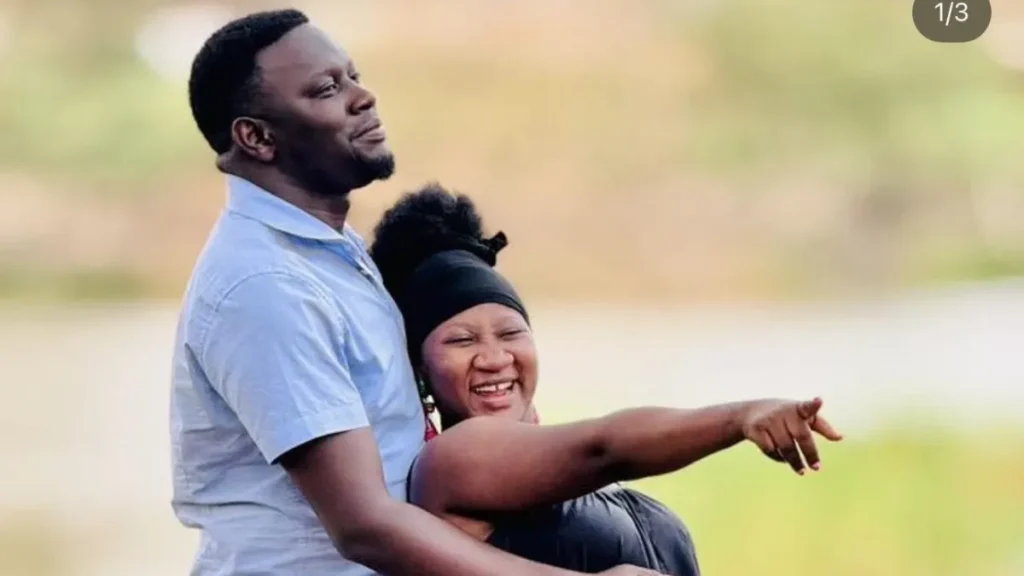
His argument was straightforward: having children should not automatically make someone unsuitable for marriage.
According to Ssekajja, a person can deliberately choose a partner who does not have children and still discover that the relationship lacks the understanding and compatibility needed to succeed.
In his view, parenthood alone does not determine whether two people are right for each other.
“We both have children, just that some people fail to understand each other,” he explained.
That point appeared central to his explanation of his own relationship with Chosen Becky.
Rather than treating her children as an obstacle, Ssekajja said his own experience as a parent allowed him to understand her situation.

His comments also moved beyond his personal relationship to criticise a practice he believes contributes to the challenges faced by single mothers.
Ssekajja criticised men who deliberately father children while refusing to consider marriage or long-term responsibility.
“Some men have a habit of saying they don’t want to marry and that they only want to give birth so women fall in our traps,” he said.
He made it clear that he does not support abandoning women after getting them pregnant.
For Ssekajja, that position is part of why he was comfortable embracing Chosen Becky and building a relationship with her despite her already being a mother.
His comments ultimately framed their marriage as a decision based on understanding and compatibility rather than a person’s relationship history or whether they entered the relationship with children.
Chosen Becky is a Ugandan singer, while Abdul Ssekajja is her husband.
Ssekajja’s remarks came during a YouTube podcast interview in which he was asked about his decision to marry a woman who already had children.

The discussion touched on a broader social issue surrounding relationships involving single parents, particularly the stigma some people may face when looking for new partners.
Rather than seeing parenthood as a reason to reject someone, Ssekajja argued that compatibility should carry greater weight.
He also pointed to the fact that he was already a father himself, saying that shared experience helped him relate to Chosen Becky’s circumstances.
His explanation suggests that their relationship was not defined simply by whether either person had children, but by their ability to understand one another.
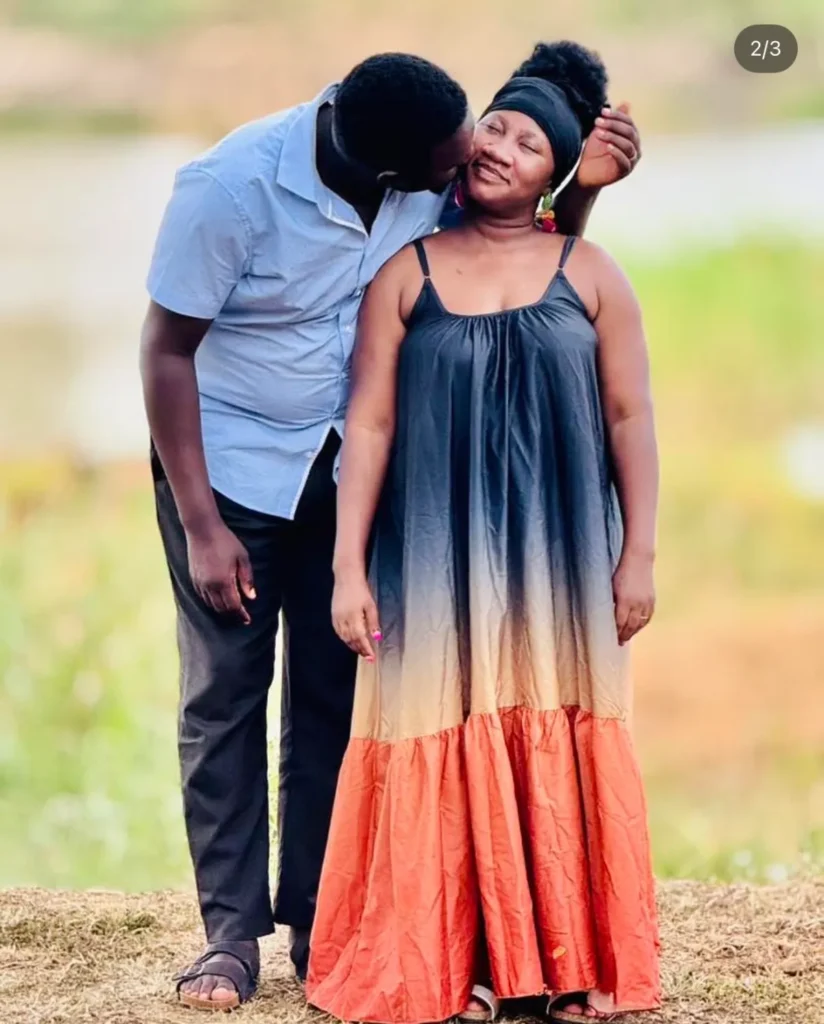
Ssekajja’s comments highlight a reality faced by many single parents: entering a new relationship can involve questions about children, responsibility and compatibility.
His position challenges the idea that having children should automatically reduce someone’s chances of finding a partner.
By pointing out that he also had children, Ssekajja presented his relationship with Chosen Becky as an example of two parents finding common ground.
His argument also places responsibility on men to think beyond fathering children without considering the consequences for the women and families involved.

For him, accepting a partner who already has children is not simply an act of compromise. It is a decision that can be based on mutual understanding and shared circumstances.
At the center of Ssekajja’s explanation is a simple idea: people bring their histories into relationships.
For him, Chosen Becky’s children did not define her suitability as a partner.
Instead, his own experience as a parent gave him a point of connection with her.
His comments suggest that understanding someone’s circumstances can sometimes matter more than whether their lives fit a conventional picture of what a relationship should look like.
That perspective is also why he says he does not support abandoning women after getting them pregnant.
Abdul Ssekajja says marrying Chosen Becky was never about overlooking the fact that she had children — it was about understanding that circumstance because he was a parent himself and choosing a relationship based on compatibility.