

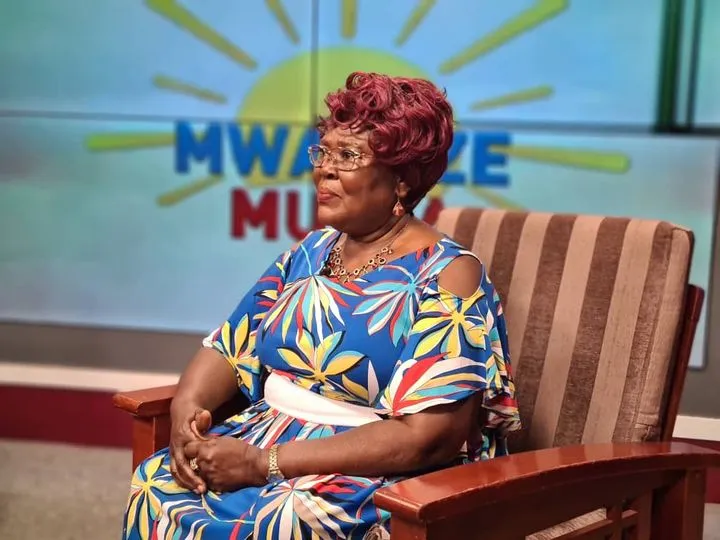
It started with one singer saying she couldn’t love children that weren’t biologically hers. It ended with one of Uganda’s most respected veteran voices stepping into the conversation — and the response she gave is the kind people screenshot and send to their group chats without saying a word.
Annet Nandujja didn’t shout. She didn’t drag anyone. She just spoke — clearly, directly, and with the kind of weight that only comes from a woman who has lived enough life to mean every syllable.
Her message to young women entering relationships with men who already have children was simple, sharp, and immediately viral.
And her thoughts on why people say reckless things in the first place? Even more pointed.
It was singer Joanita Kawalaya who lit the match, after publicly stating that she could not look after children who were not biologically hers while in a relationship.
The comment sparked debate almost immediately — some agreeing that it was honest, others arguing it was irresponsible given the platform behind it.
Annet Nandujja chose to respond. And she did not come with a whisper.

“If you want to strengthen your marriage as a young woman, especially if you find a man who already has children, try your best to love his children,” she said in a candid interview. “The man will love you in the same way.”
Direct. Practical. No performance.
But she wasn’t done.
“Don’t focus on whether the children will remember or recognize you when they grow up. Some things we do are for God.”
That line alone stopped the scroll for thousands of people who caught it online.
She went further, addressing what she described as a deeply problematic generational mindset: “We should stop this mentality of only caring for our biological children. Even your own children can grow up and forget you.”
And that’s not even the sharpest thing she said.

Nandujja turned her attention to what she believes is the root cause of comments like Kawalaya’s — the relentless hunger for online content.
“The desperate hunt for content has spoiled many of our children,” she said bluntly. “Everyone now speaks recklessly without considering who they are talking to or the consequences of what they are saying.”
She didn’t name Kawalaya directly in that portion. She didn’t need to. The context was already loud enough.
Annet Nandujja is one of Uganda’s most enduring musical voices — a veteran artist whose career spans decades and whose public persona carries the kind of credibility that younger artists are still working toward. She is known not just for her music but for speaking her mind with intention, which is part of why her entry into this conversation landed the way it did.
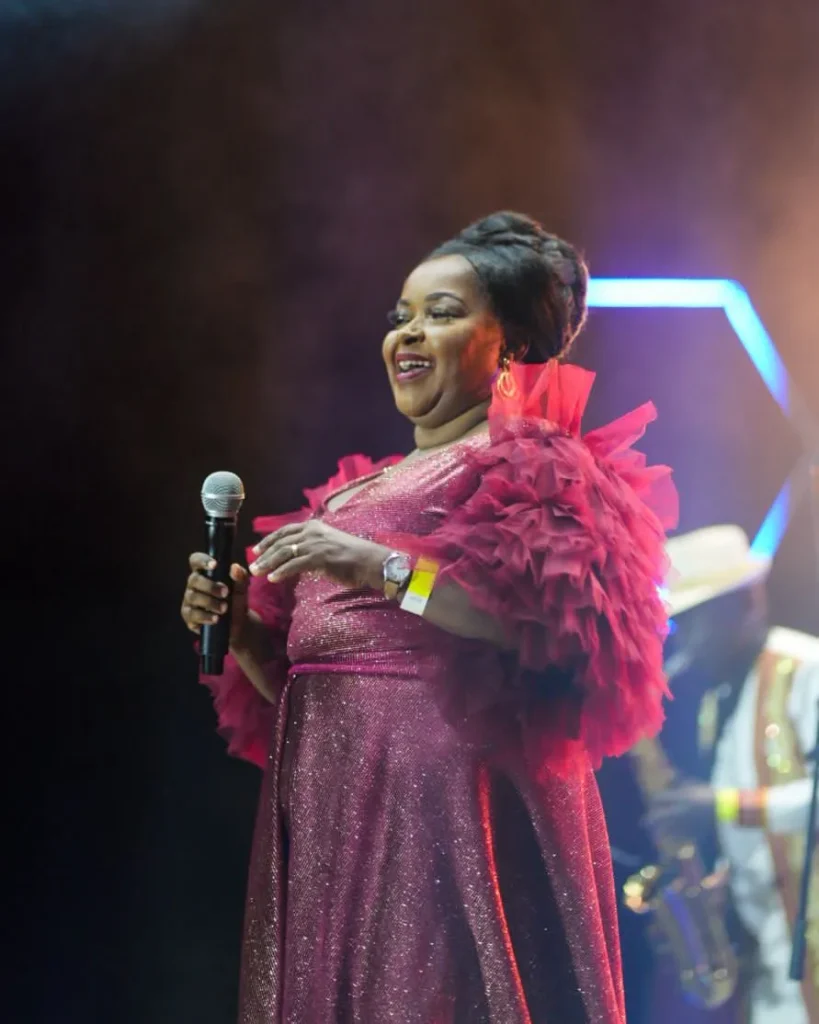
Joanita Kawalaya is a fellow Ugandan singer who made headlines after openly stating her position on raising a partner’s children — a comment that drew both support and pushback in equal measure across the country’s entertainment and social media spaces.
The subject of blended families and step-parenting is a deeply personal and culturally loaded one in Uganda, where family structures vary widely and the role of a partner’s children in a new relationship remains a topic many people hold strong opinions about. When two prominent voices from the music world take opposing public positions on it, the conversation travels fast.
[RELATED: Insert article on Annet Nandujja’s career and discography here]

Fans immediately zeroed in on the line about biological children potentially forgetting you too — calling it the kind of truth that nobody wants to hear but everyone needed to.
Clips from the interview spread across TikTok, Facebook, and WhatsApp threads, with many viewers pausing specifically on the “some things we do are for God” quote. That phrase, in particular, struck a nerve — detaching the act of loving a partner’s child from expectation or reward, and reframing it as something far more personal and spiritual.
Within hours, the video was being shared with captions like “she said what she said” and “this is the marriage advice they don’t teach in school.”
The comment sections split along predictable but passionate lines.
Many women praised Nandujja’s perspective, calling it grounded, mature, and deeply needed in a conversation that had previously been dominated by the more headline-friendly take. Several shared personal testimonies about raising or being raised by step-parents who loved them as their own.
Others defended Kawalaya’s original position, arguing that honesty about personal boundaries is itself a form of responsibility — that pretending to love children you resent does more damage than admitting your limitations upfront.
Some fans believe Nandujja’s real target wasn’t Kawalaya’s opinion itself, but the broader culture of saying anything online for attention — and that her content critique was the more significant message wrapped inside the relationship advice.

What makes Nandujja’s remarks land differently from the usual celebrity commentary is that they weren’t aimed at winning an argument. They were aimed at outcomes — specifically, the outcomes that matter most in a family.
Behind every blended family is a child navigating a world that didn’t ask for their complications. Nandujja’s message, at its core, was about them. About what it means to show up for a child who didn’t choose the circumstances they were born into — and about what kind of person you become when you choose to love anyway, without guarantees, without recognition, and without an audience.
That is the part of the interview that went beyond the drama.
Here is the quiet irony that the internet eventually noticed: Joanita Kawalaya’s comment — which she likely made as a statement of personal honesty — ended up handing Annet Nandujja the platform to deliver one of the most widely shared pieces of relationship wisdom Uganda’s entertainment space has seen in recent memory.
In trying to set a boundary, one singer accidentally built a stage. And Nandujja walked right onto it.
Annet Nandujja came with receipts, wisdom, and zero hesitation — and the internet has been talking ever since. But here’s the real question: do you agree with her, or does Joanita Kawalaya have a point?