

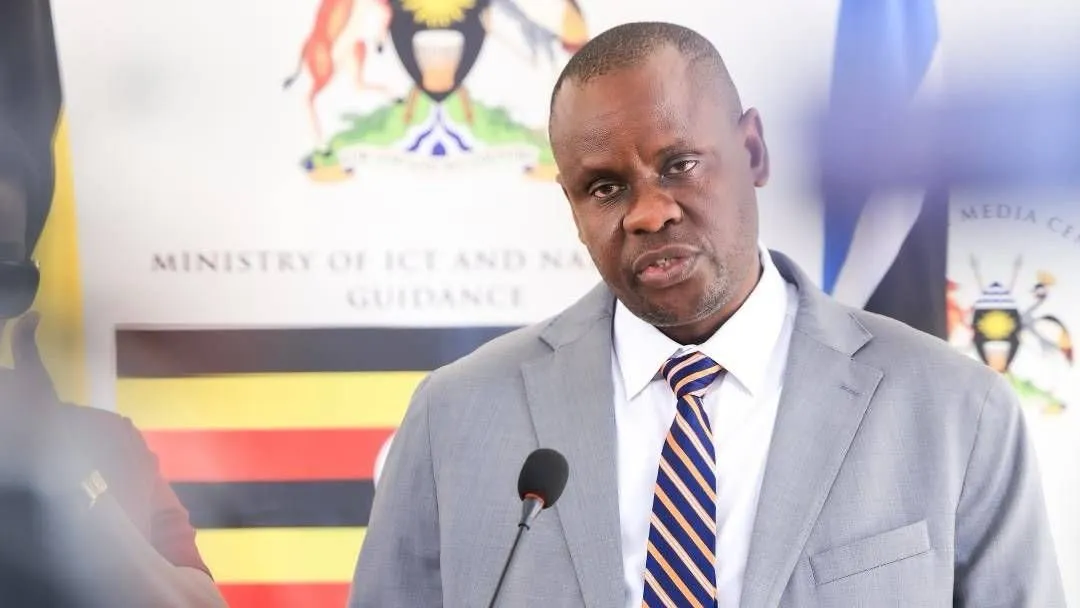
Minister for Local Government Balaam Barugahara has dismissed claims that he should be worried about witchcraft as he continues his campaign against corruption within local governments across Uganda.
The minister says he remains determined to expose and challenge corrupt practices despite criticism from some opposition figures who have questioned his approach to handling officials accused of wrongdoing.
Balaam has recently attracted attention for publicly confronting officials during inspection visits, where he has raised concerns about alleged corruption and accountability failures.
While some critics have described the approach as more of a public display than a fair process, Balaam insists he is simply carrying out his responsibilities as a government official.
He says he will not allow fear or intimidation to stop him from pursuing better governance.

Speaking about the criticism surrounding his work, Balaam said those hoping to stop him through witchcraft are wasting their efforts because he believes such practices cannot overcome his faith and commitment to his duties.
“They aren’t God. If someone bewitches you, you go to God and pray. Most importantly I’m doing my job and following the Constitution. Those who think they can bewitch me are wasting their time,” Balaam said.
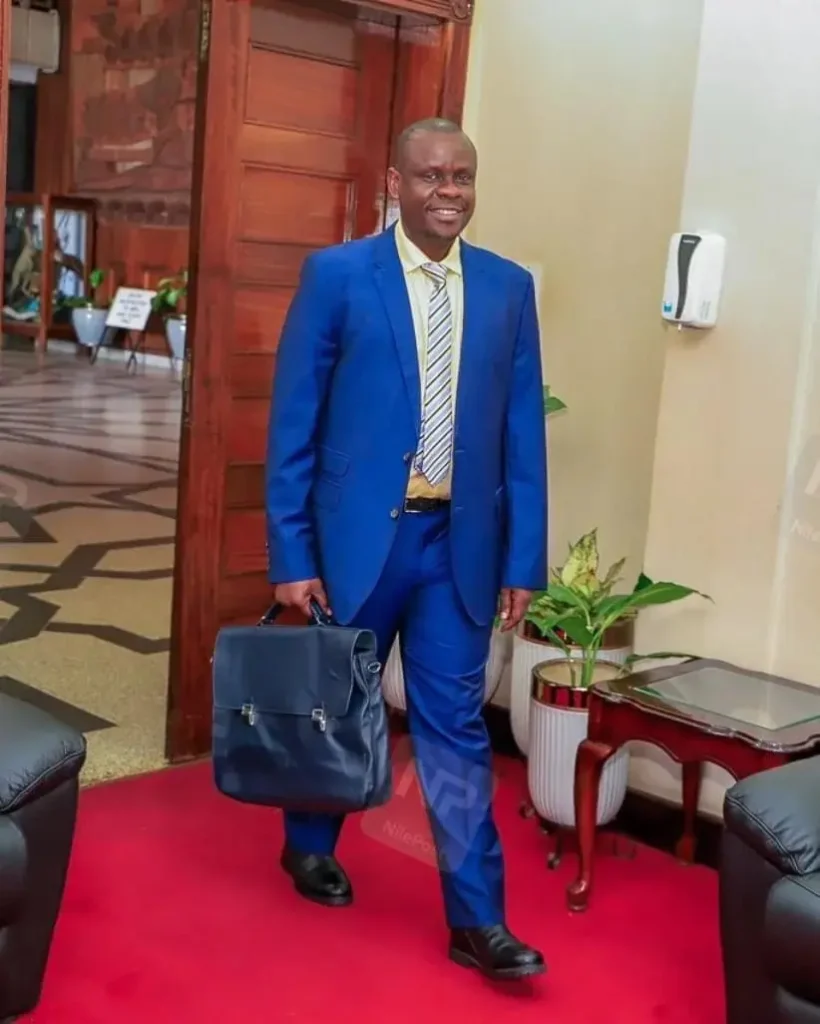
Balaam Calls for Courage in Fighting Corruption
The minister encouraged Ugandans who support efforts to improve governance to remain confident and not abandon the fight against corruption because of fear.
He argued that public service requires courage, especially when confronting issues that affect communities and government institutions.
According to Balaam, the focus should remain on protecting public resources and ensuring leaders are remembered for their contribution to society.

He questioned whether the country should ignore corruption challenges simply because some people fear spiritual attacks.
“Should we leave Uganda to die because we fear witchcraft?” he asked.
The minister added that even the most powerful people in the world eventually die, but what matters is the impact they leave behind.
“We have to serve the country and be remembered as freedom fighters and as people who fought corruption in local government,” he said.
Balaam Barugahara has become one of the more outspoken government officials in Uganda, particularly through his public engagements with local government leaders.

His inspection visits have placed him at the center of debates about how corruption allegations should be handled.
Supporters view his approach as a direct attempt to demand accountability, while critics have questioned whether public confrontations are the best method for addressing administrative concerns.
The minister maintains that his actions are guided by his responsibility to serve Ugandans and uphold government standards.
Why It Matters
Corruption remains one of the major governance concerns in many countries, including Uganda, where debates continue over accountability, transparency, and the management of public resources.
Balaam’s comments highlight the broader challenge faced by officials who attempt to address corruption while navigating political criticism and public scrutiny.

His remarks also show how cultural beliefs and public service can intersect in conversations about leadership and accountability.
For Balaam, the issue is not only about investigations or government procedures — it is also about personal conviction.
The minister says he believes serving the country requires standing firm even when facing criticism or opposition.
His message to supporters is that fear should not prevent citizens and leaders from working toward better governance.
As Balaam Barugahara continues his anti-corruption campaign, he says he will remain focused on his mission, arguing that the responsibility of serving Uganda is greater than any fear of intimidation.