

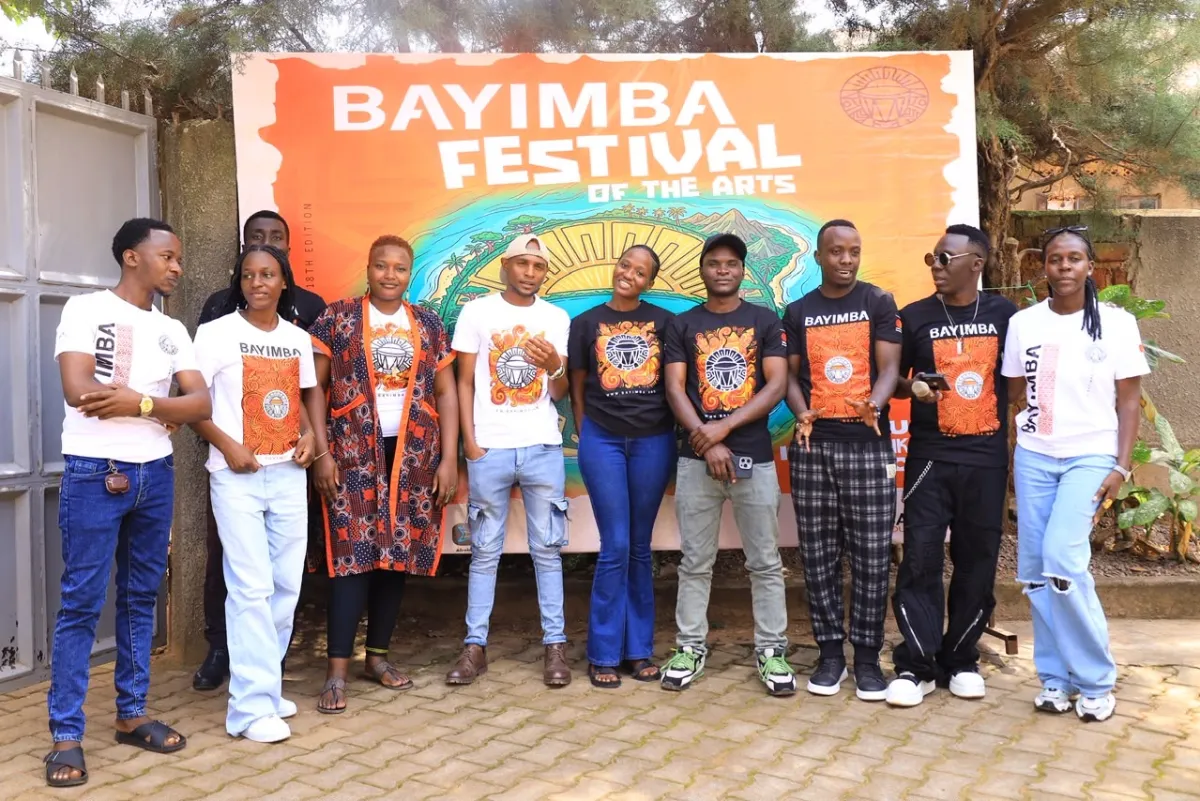
Bayimba International Festival Returns for 18th Edition at Lunkulu Island
The Bayimba Cultural Foundation is preparing to host the 18th edition of the Bayimba International Festival of the Arts, bringing three days of music, visual arts, film, cultural exchange, and creative networking to Lunkulu Island in Buikwe District.
Scheduled to run from Friday, August 28, to Sunday, August 30, 2026, the annual festival will once again transform the Bayimba Centre for Visual and Performing Arts into a vibrant meeting point for artists, audiences, and creative industry professionals from Uganda and beyond.
Now marking its 18th consecutive edition, the festival continues to build on a tradition that began in 2008, providing a platform where creative talent is showcased, nurtured, and connected to new opportunities.
Three Days of Music, Arts and Cultural Experiences
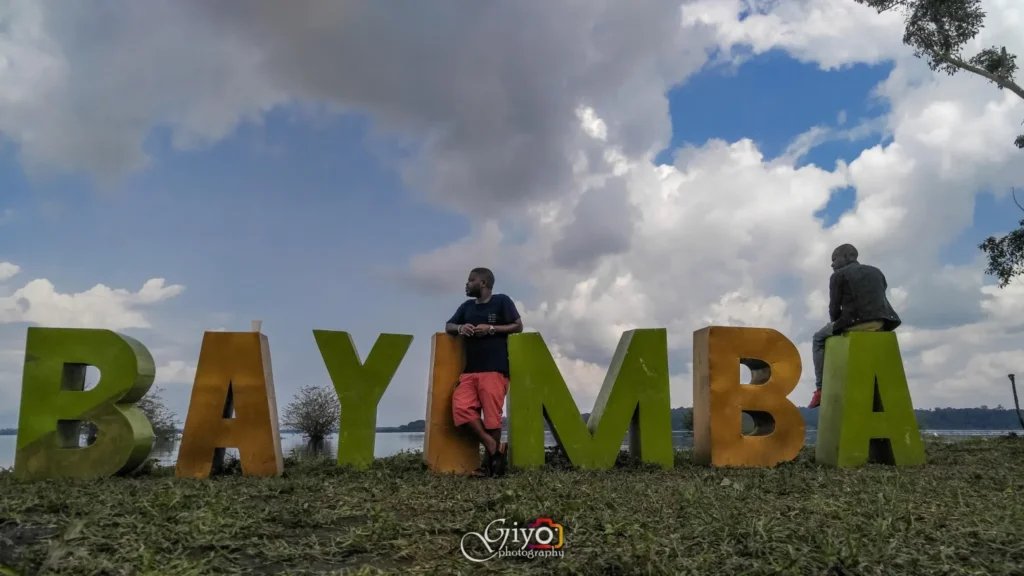
Located approximately 42 kilometres from Kampala, Lunkulu Island is accessible by road as well as by boat from Entebbe, Jinja, and Ggaba, offering festivalgoers a unique destination surrounded by one of Uganda’s scenic freshwater environments.
Across multiple stages, audiences can look forward to performances by more than 20 Ugandan and international artists, alongside a diverse programme designed to celebrate artistic expression in its many forms.
This year’s festival will feature:

- Live music performances
- Dance and theatrical productions
- Film screenings
- Visual arts exhibitions
- Cultural fellowship activities
- Creative arts symposiums
- The CREATE showcase highlighting emerging young women creatives
Organizers say the programme has been curated to encourage collaboration, creativity, and meaningful engagement between artists and audiences throughout the three-day event.
Spotlight on Young Women in the Creative Economy
One of the defining features of the 2026 festival is the continued expansion of CREATE – Enhancing Skills and Financial Inclusion for Young Women in the Creative Economy.
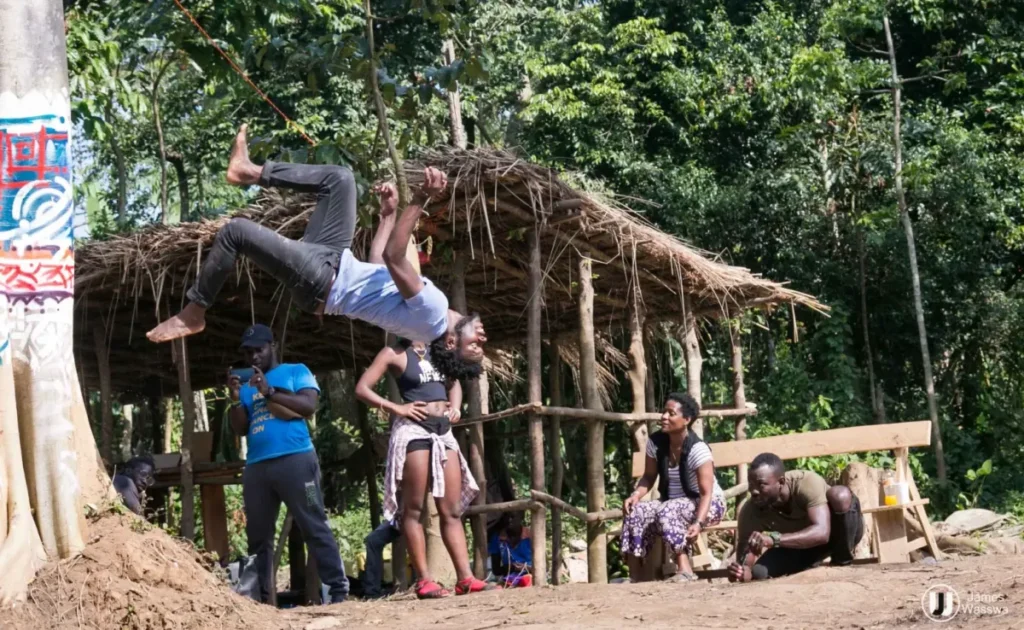
Within the programme, the Bayimba Festival serves as a market-linkage platform where young women trained in music and the performing arts present their work alongside established artists.
Beyond performing on major stages, participants also receive technical mentoring and opportunities to connect with festival programmers, promoters, venue operators, buyers, and cultural institutions.
According to Bayimba, the initiative is designed to help emerging creatives move beyond training by creating pathways into professional careers.
The CREATE showcase also forms part of the programme’s “Banking on Creativity” narrative, which positions creative micro, small, and medium enterprises as valuable contributors to regional and international markets.

As part of those efforts, Bayimba is preparing a B2B lookbook profiling more than 50 women-led creative enterprises for circulation among investors, buyers, and members of the Mastercard Foundation network.
All CREATE training, showcase, and market-linkage opportunities are offered free of charge.
More Than a Festival
For Bayimba Cultural Foundation, the annual gathering extends well beyond entertainment.
The festival is designed as a meeting point where artists, booking agents, venue operators, promoters, cultural organisations, development partners, and creative entrepreneurs can build lasting professional relationships.
Organisers say mentoring sessions, networking opportunities, and artist programming have been structured around participant readiness, technical capacity, and safeguarding considerations.
Accessibility adjustments will also be available upon request to encourage broader participation.

In addition to live performances, attendees can expect a range of activities that promote wellbeing and community engagement.
The festival grounds will host physical fitness activities, sports, community outreach programmes, mental health wellness spaces, cultural tourism experiences, and Every BODY Counts, an inclusive dance programme celebrating participation across diverse communities.
‘The Festival Is Where the Work Becomes Visible’
Speaking about the importance of the event, Faisal Kiwewa, Artistic Director of Bayimba Cultural Foundation, said the festival plays a vital role in helping emerging creatives transition into professional careers.
“The festival is where the work becomes visible. Young women who have spent months building craft, discipline and enterprise step onto the same stages as established artists, and they meet the promoters, programmers and buyers who can turn that work into a career. That is what a market-linkage platform is for.”
His remarks underscore Bayimba’s broader vision of creating sustainable opportunities for creatives through exposure, mentorship, and industry connections rather than performances alone.
Why the Festival Matters
Over nearly two decades, the Bayimba International Festival of the Arts has established itself as one of Uganda’s leading cultural events, attracting artists and audiences from across East Africa and beyond.

Its continued emphasis on artistic collaboration, professional development, and cultural exchange reflects a growing recognition of the creative economy as an important contributor to employment and regional development.
By connecting emerging talent with established industry players, the festival aims to strengthen Uganda’s cultural sector while creating opportunities that extend beyond the festival weekend.
For many artists, performing at Bayimba represents more than another appearance on a festival stage. It is an opportunity to present their work to audiences, industry professionals, and potential collaborators who can help shape the next chapter of their careers.
For audiences, the event offers a rare chance to experience music, visual arts, dance, film, and cultural expression in a setting that celebrates both creativity and community.
As the countdown to August begins, the 18th Bayimba International Festival of the Arts is preparing to once again bring together artists, audiences, and creative industry leaders for a weekend dedicated to celebrating culture, collaboration, and the future of East African creativity.