

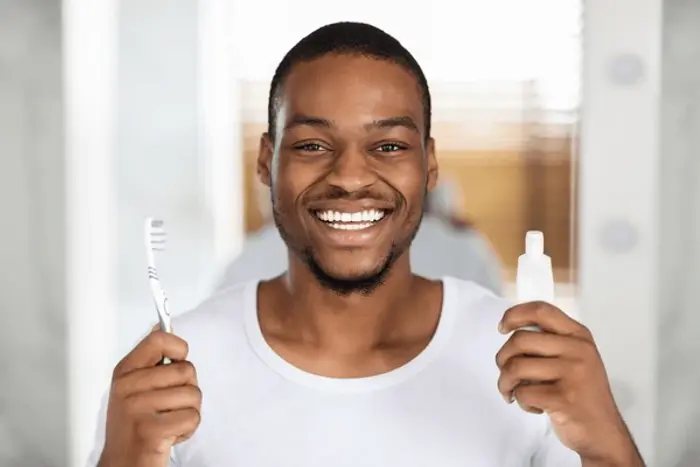
Should you brush your teeth before breakfast or wait until after eating? It is a common morning dilemma, but dental guidance offers a practical answer: brushing before breakfast is a sensible option, while brushing immediately after eating—especially acidic foods or drinks—is best avoided.
The timing matters because your teeth are exposed to acids from certain foods and beverages. Brushing while the enamel is temporarily softened may contribute to dental erosion over time.
Here is what dental experts say about the best time to brush, why breakfast choices matter and what to do if you prefer cleaning your teeth after eating.
Why Brushing Before Breakfast Makes Sense
During sleep, saliva production decreases. Saliva helps wash away food particles, neutralise acids and protect the teeth. Meanwhile, bacteria in dental plaque continue to be present in the mouth.

Brushing when you wake up helps remove plaque and allows fluoride toothpaste to coat the teeth before you eat. It also fits into the recommended routine of brushing twice a day, including before bed. The American Dental Association has highlighted these potential advantages when discussing the debate over morning brushing. <Cite refs={[“turn455031search0″,”turn455031search8”]} />
Brushing before breakfast can also be convenient. Once it becomes part of a morning routine, it may be easier to maintain consistent oral hygiene.
However, brushing before eating does not make teeth immune to acids or replace the need to brush again at the appropriate time later in the day.
Why You Should Not Brush Immediately After Breakfast
Some breakfast foods and drinks are acidic. Orange juice, citrus fruits and certain other foods can expose tooth enamel to acid, which temporarily softens its surface.

Brushing immediately afterwards may increase the risk of enamel wear, particularly when this happens repeatedly. The American Dental Association advises allowing time for saliva to help clear acids and support the natural recovery of the enamel surface. <Cite refs={[“turn455031search1″,”turn455031search9”]} />
Foods and drinks that can contribute to acid exposure include:
- Orange juice and citrus fruits: Their natural acids can contribute to enamel erosion.
- Soft drinks: Carbonation and added acids can make many soft drinks erosive, even when they contain no sugar.
- Some dried fruits: These can stick to teeth, while sugars in the food can contribute to tooth decay.
- Other acidic foods and beverages: Their effects depend on acidity, frequency of exposure and overall oral hygiene.
Bread and pastries should not automatically be described as acidic or equally harmful to enamel. Their sugar and starch content can contribute to tooth decay, but that is a different process from direct acid erosion.
How Long Should You Wait to Brush After Breakfast?
If you prefer brushing after breakfast, wait before picking up your toothbrush.

Dental guidance commonly recommends waiting at least 30 minutes after eating, with up to 60 minutes advisable after acidic foods or drinks. This gives saliva time to help neutralise acids and support the recovery of enamel. <Cite refs={[“turn455031search1″,”turn455031search11″,”turn455031search12”]} />
While waiting, you can:
- Rinse your mouth with water.
- Drink water to help clear food and drink residues.
- Chew sugar-free gum to stimulate saliva production, if appropriate for you.
These measures can support oral hygiene, but they do not replace brushing with fluoride toothpaste.
What Is the Best Morning Brushing Routine?
Whether you brush before breakfast or later, consistency and technique matter more than turning the timing debate into a strict rule.

The NHS recommends brushing twice daily for about two minutes each time, using fluoride toothpaste. One brushing session should take place before bed, with the other at a separate time during the day. <Cite refs={[“turn455031search8”]} />
For a practical routine:
- Brush for two minutes using fluoride toothpaste and a soft-bristled toothbrush.
- Clean all tooth surfaces gently rather than scrubbing aggressively.
- Spit out the toothpaste after brushing instead of rinsing your mouth with water immediately, so you do not wash away much of the remaining fluoride.
- Clean between your teeth daily with floss or an appropriate interdental cleaner.
- If you brush after breakfast, wait the recommended interval, especially after acidic foods and drinks.
People with sensitive teeth, enamel erosion, gum problems or other dental conditions may need individual advice from their dentist.
The Verdict: Before or After Breakfast?
For most people, brushing before breakfast is a straightforward choice because it removes plaque after the night and avoids brushing directly over recently consumed food acids.
Brushing after breakfast can also fit into a healthy routine, provided you wait long enough—particularly after acidic foods or drinks—and continue brushing twice daily with fluoride toothpaste.
The essential point is not simply whether you brush before or after your first meal. It is maintaining effective daily oral hygiene while avoiding habits that can wear down enamel.