

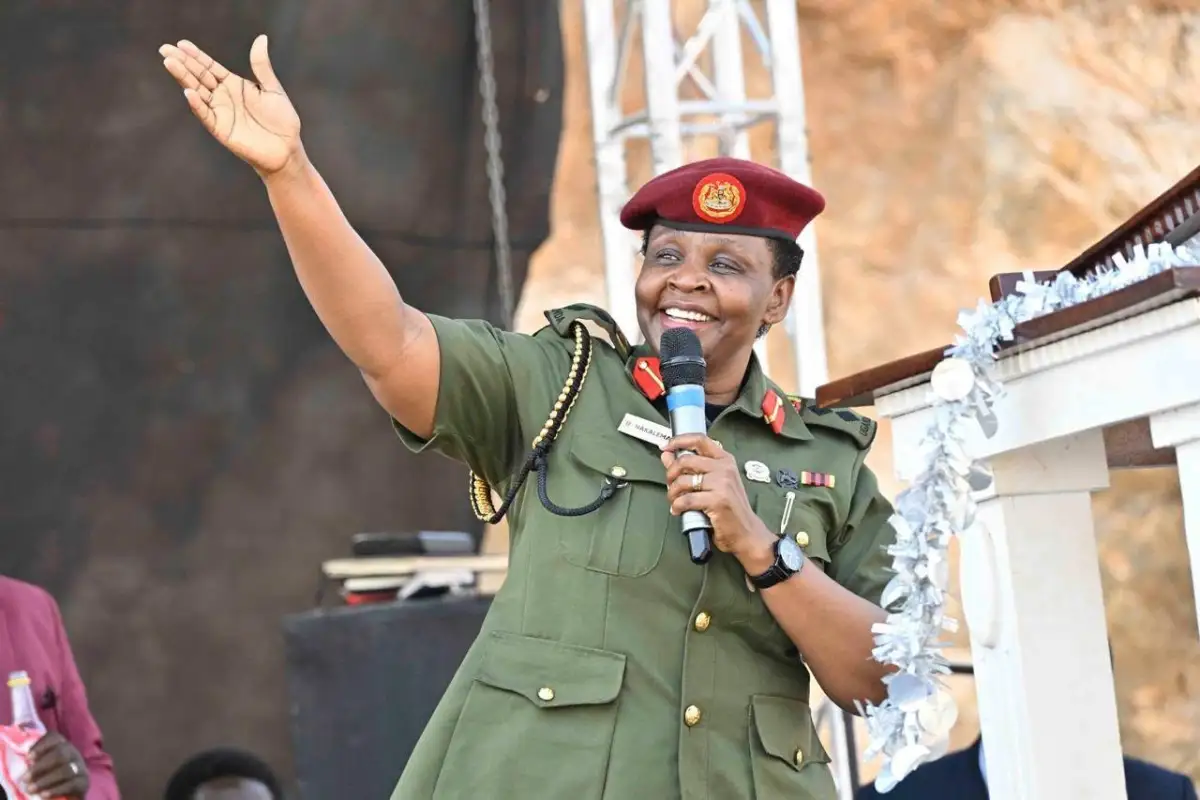
Col. Edith Nakalema has spoken out on the issue of children born outside marriage, urging families to separate children from parental conflicts and ensure they are not disadvantaged by circumstances beyond their control.
Her remarks focused on the importance of allowing children to connect with both sides of their families, regardless of how they were born.
She emphasized that responsibility lies with parents, not the children themselves.
Col. Edith Nakalema addressed the sensitive topic of children born outside marriage, stressing that such children should not be held accountable for decisions made by their parents.

She noted that while raising a child in such circumstances can be challenging for families, the child themselves remains innocent and should not be blamed or excluded.
According to Nakalema, the core issue lies with the parents, not the child, and families should focus on creating an environment where children are accepted and supported.
She encouraged spouses, particularly wives in affected households, to manage emotional challenges and allow children born outside marriage to connect with their paternal relatives when they express a desire to do so.
Nakalema also highlighted the importance of maintaining family ties, stating that children should be given the opportunity to know their clan members and siblings where possible.

She further shared that stepchildren can sometimes demonstrate strong appreciation and care within families, cautioning against judging them based on circumstances of birth.
While acknowledging that such family situations are not ideal, she stressed the importance of compassion and inclusion when they do occur.
She concluded by encouraging parents to listen to children, engage with them meaningfully, and create space for understanding within the family structure.
Col. Edith Nakalema is a Ugandan public figure known for her roles in government and public administration.

Discussions around family structure, marriage, and child welfare remain socially significant in many communities, often shaped by cultural expectations and traditional family systems.
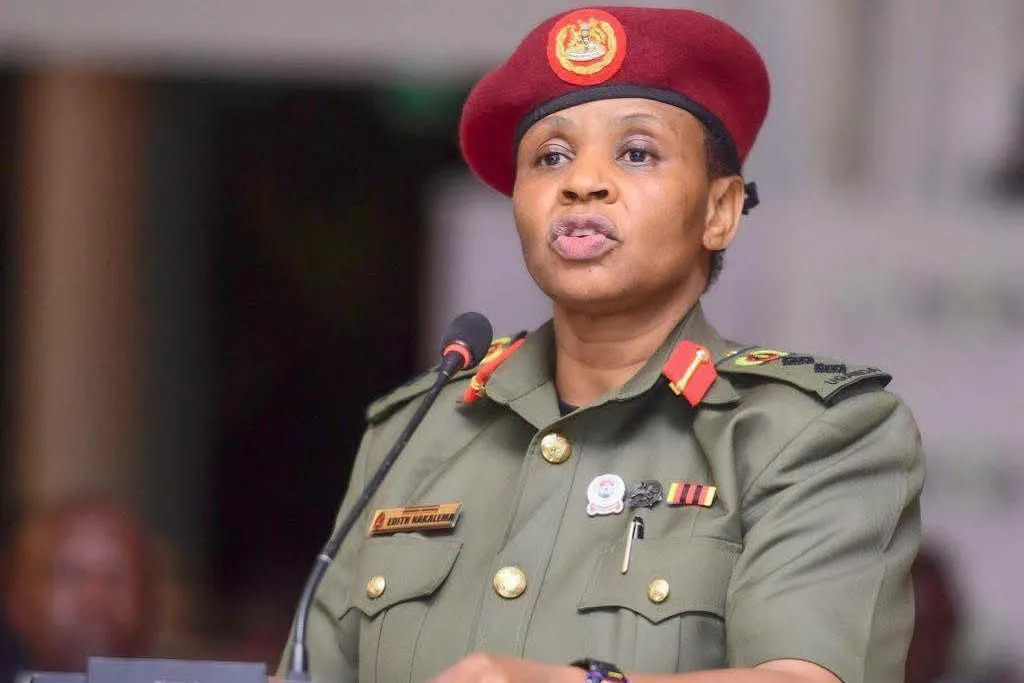
In Uganda and across many societies, children born outside marriage can face complex social dynamics involving inheritance, identity, and family acceptance.
Public commentary on these issues often reflects broader conversations about evolving family structures and child welfare rights.
Family-related social commentary from public figures often sparks wider discussions about cultural norms and child welfare.

Nakalema’s remarks touch on sensitive but important issues involving inclusion, identity, and emotional wellbeing for children in complex family structures.
Her message contributes to ongoing conversations about how families can balance tradition, relationships, and compassion.
At the center of the message is a child’s need for belonging, identity, and emotional security regardless of family circumstances.
Nakalema’s remarks emphasize empathy over judgment, focusing on how children experience family dynamics rather than adult conflicts.
The message reflects a broader appeal for understanding in situations where families are navigating sensitive personal histories.
Her remarks add to an ongoing public conversation about compassion in family life, reinforcing the idea that children should not carry the burden of parental decisions.