

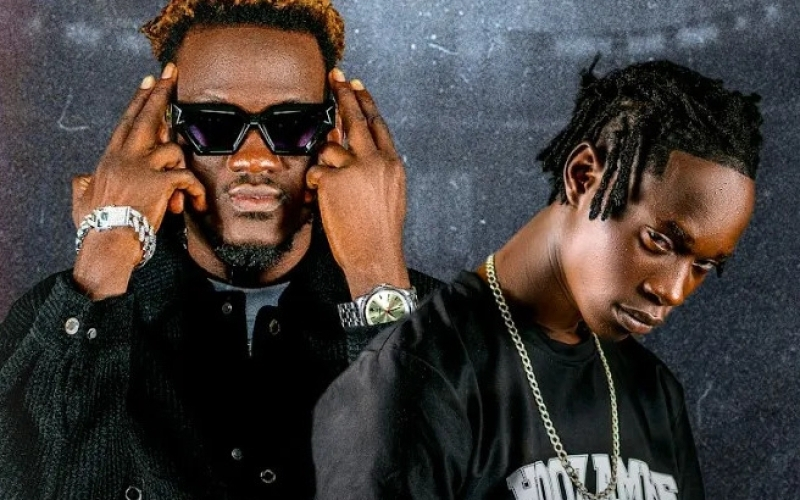
What started as a heated online money dispute has now taken a dramatic turn — and this time, it comes with a resolution.
Eddy Kenzo has officially stepped in to settle the ongoing copyright and royalty disagreement between D Star and Mudra D Viral over the viral Hoozambe Remix.
The feud, which had dominated social media conversations for weeks, centered on claims of unpaid earnings, YouTube revenue accusations, and questions over who truly benefits from the hit track.
But now, according to Kenzo, the storm has finally been calmed.
And the details behind the resolution are already sparking fresh conversation.
The controversy began after D Star publicly accused Mudra D Viral of allegedly earning over Shs 140 million from the Hoozambe Remix through YouTube revenue, while claiming he personally received very little from the project.
The accusations quickly spread across social media, fueling intense debate among fans about fairness, artist compensation, and ownership in Uganda’s fast-growing digital music economy.
Mudra, however, strongly denied the claims.
He maintained that the figures being circulated were exaggerated and insisted that he had not yet recovered the money he invested in promoting and distributing the song.

And then things escalated…
With both sides holding firm to their positions, the situation risked becoming one of the most publicized music royalty disputes in recent Ugandan entertainment history.
That’s when Eddy Kenzo entered the picture.
In a video shared on his TikTok and Facebook platforms, Kenzo confirmed that he had personally intervened and facilitated discussions between the two artists.
According to him, the core issue stemmed from misunderstandings around master rights ownership and widespread misinformation about digital earnings.
“There has been misunderstandings about who owns the master of the Hoozambe Remix because many words have been going around that Mudra has been eating the money, which isn’t true,” Kenzo explained.
He further stated that professionals reviewed the song’s distribution data and discovered that the actual earnings were far below what had been publicly speculated.
“We got professionals who understand about distribution and checked his platforms and found that he hasn’t even made 2% of the alleged money,” he added.

That clarification immediately shifted the tone of the entire conversation online.
The Hoozambe Remix has been one of the most talked-about Ugandan songs in recent months, gaining massive traction across digital platforms and social media trends.
With viral success often comes increased scrutiny over revenue sharing, especially in an era where YouTube monetization and streaming royalties are becoming central to artist income.
D Star and Mudra D Viral’s disagreement highlighted a growing industry challenge — how artists understand and interpret digital earnings in a rapidly evolving music ecosystem.
Eddy Kenzo, who has increasingly taken on leadership and advocacy roles within Uganda’s music industry, has been vocal in the past about artist rights, royalties, and structural reform.
His involvement in this case reflects his continued push for professionalism and transparency in the industry.
Now, with both artists reportedly reaching a formal written agreement, there appears to be a clearer path forward for the Hoozambe Remix.
Kenzo also confirmed that the specifics of the contract will not be publicly disclosed, leaving that decision to D Star and Mudra if they choose to share it.
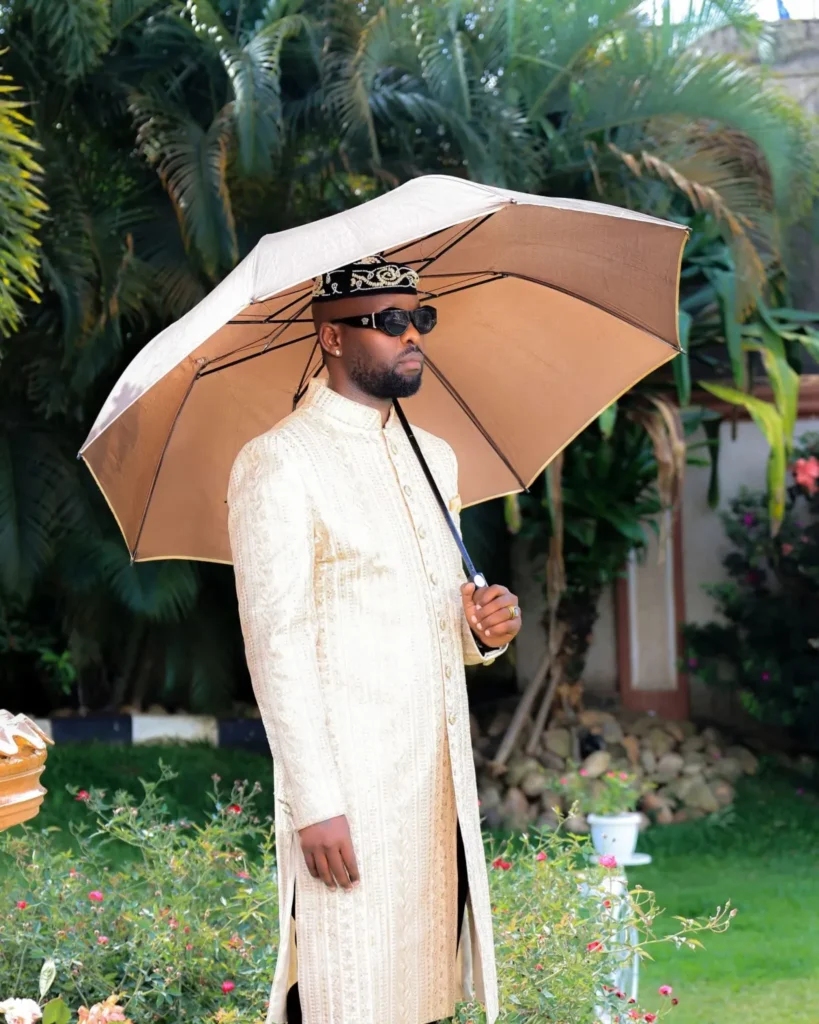
The biggest talking point online came from Kenzo’s revelation that the alleged Shs 140 million figure circulating on social media did not match actual platform earnings.

Fans immediately began reacting to the gap between speculation and verified data, with many admitting they had been misled by viral claims.
Clips of Kenzo’s explanation quickly spread across TikTok, Facebook, and entertainment pages, sparking renewed debates about transparency in music revenue reporting.
The internet definitely had opinions.
Some users praised Kenzo for stepping in as a mediator and bringing clarity to a chaotic situation.
Others focused on how easily misinformation spreads when financial figures go viral without context.
Either way, the conversation shifted almost instantly after his intervention.
Online reactions have been mixed but largely supportive of the resolution.
Many fans applauded Eddy Kenzo for helping the artists avoid a prolonged public feud that could have damaged both reputations and the song’s legacy.
Others argued that the situation highlights the need for clearer contracts and better education around digital streaming revenue among artists.

A few users are now speculating whether D Star and Mudra will fully reconcile and continue collaborating beyond the Hoozambe Remix.
Kenzo’s confirmation that both artists may return to performing the song together on stage has further fueled anticipation.
However, the finer details of their agreement remain undisclosed.
Beyond the numbers and online debates, the situation reflects a deeper reality within Uganda’s music industry — where rising success often collides with limited knowledge of digital revenue systems.
For artists navigating sudden viral fame, misunderstandings like these can easily escalate without proper guidance and structure.
Kenzo’s intervention also highlights the importance of mentorship and mediation in protecting both relationships and creative work.
At its core, this was not just a dispute about money — but about trust, clarity, and survival in a fast-changing industry.
Ironically, the same song that sparked division online has now become a case study in conflict resolution within Uganda’s music scene.
What could have ended in a prolonged feud has instead turned into a negotiated settlement — and possibly a reunion on stage.
One thing is clear — Eddy Kenzo didn’t just calm a storm, he reset the conversation around music ownership and transparency. The only question now is whether this peace will last beyond the spotlight.