

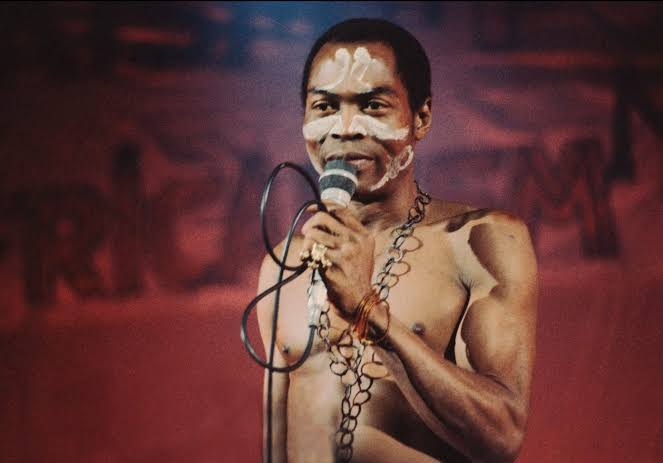
Nearly three decades after his death, Nigerian music legend Fela Anikulapo-Kuti has made history with his induction into the Rock & Roll Hall of Fame, becoming the first African solo artist to receive the prestigious recognition.
The Afrobeat pioneer was posthumously honoured in the Early Influence category during the institution’s 2026 induction ceremony, held on November 14 at the Peacock Theater in Los Angeles, United States.

Fela was among five musicians recognised in the category, joining American rapper Queen Latifah, fellow hip-hop star MC Lyte, Cuban music icon Celia Cruz and American singer-songwriter Gram Parsons.
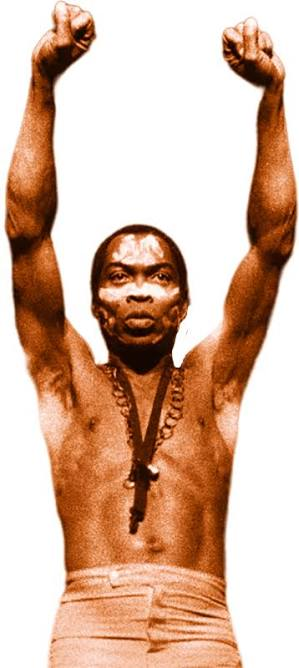
Members of Fela’s family, including his children Seun, Yeni, Femi and Shalewa, attended the ceremony to represent the late musician. His induction was marked through a video tribute, celebrating his contribution to music and his influence across generations.

The recognition adds another major international honour to Fela’s legacy and further highlights the global impact of Nigerian music.
The 2026 class also featured several major names in the Performer category, including Sade, Oasis, Billy Idol, Wu-Tang Clan, Phil Collins, Iron Maiden, Joy Division/New Order and the late Luther Vandross.

Other special honours went to music industry figures recognised in the Musical Excellence category, while television personality Ed Sullivan received the Ahmet Ertegun Award.
Fela’s induction recognises a career that helped shape Afrobeat, a genre he developed by blending West African musical traditions with jazz, funk and soul. His music also became a vehicle for political commentary, with songs addressing corruption, injustice and the conduct of successive Nigerian governments.

Tracks such as Water No Get Enemy, Zombie and Expensive Shit remain among his best-known recordings, while his distinctive sound and outspoken activism influenced musicians well beyond Nigeria.
The Rock & Roll Hall of Fame’s official profile describes Fela as a revolutionary musical voice whose work combined artistic innovation with a commitment to challenging injustice.
His latest honour follows another significant posthumous recognition earlier in 2026, when the Recording Academy presented him with a Grammy Lifetime Achievement Award. His children accepted that recognition on his behalf.
Fela died in Lagos in August 1997, aged 58, but his music and political message have continued to resonate across the world. His Rock & Roll Hall of Fame induction now places his name among the influential figures whose contributions helped shape the history of popular music.
For Nigerian and African music, the recognition is particularly significant: Fela is not simply being remembered as an influential musician, but formally recognised by one of the world’s most prominent music institutions as a pioneer whose impact crossed continents and generations.