

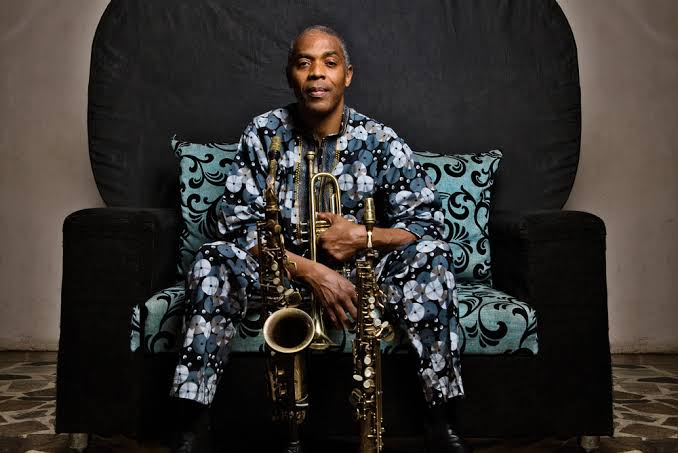
Nigerian musician Femi Kuti has revisited the difficult final decades of his father Fela Anikulapo-Kuti’s life, accusing successive military governments of doing everything possible to break the legendary Afrobeat pioneer.
In a recent interview with OkayAfrica, Femi described the pressure his father endured, including attacks on his home, imprisonment and the financial difficulties he reportedly faced after his release from custody.
Femi recalled that Fela, who had once enjoyed considerable wealth and fame, was left struggling financially after being released from prison during the administration of former military ruler Ibrahim Babangida.

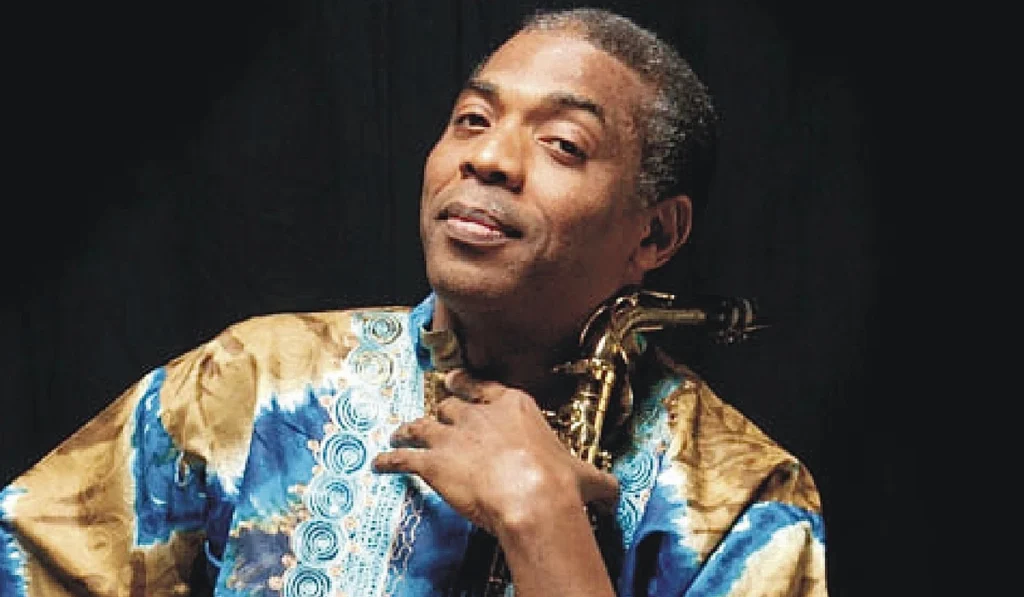
According to the younger Kuti, his father had been imprisoned under the military government of Muhammadu Buhari before Babangida assumed power and released him.
“Fela was very rich and famous but the government did everything to break him. He declared his compound a ‘danger zone’ and brutally attacked it,” Femi said.
“He fled to Ghana and when he returned to Nigeria, the Buhari regime unjustly jailed him.

“The new head of state, Babangida released him from prison but he came out poor. He was accommodating 150 people in a three-bedroom apartment.”
Femi said his father only managed to rebuild his finances after returning to international touring with his band.
The musician also spoke about the emotional toll of the persecution, particularly the death of Fela’s mother, Funmilayo Ransome-Kuti, whom he said his father never fully recovered from losing.

“I don’t think Fela ever recovered from his mother’s loss,” he said.
Funmilayo died on April 13, 1978, from injuries sustained during the February 18, 1977 military raid on Fela’s Kalakuta Republic compound in Lagos.
Her death became one of the defining tragedies in Fela’s life and political activism. He later released Coffin for Head of State, a protest song associated with his anger over the circumstances surrounding her death and the attack on his family.

Despite the difficult experiences, Femi believes his father would have found some comfort in the international recognition his music and legacy continue to receive.
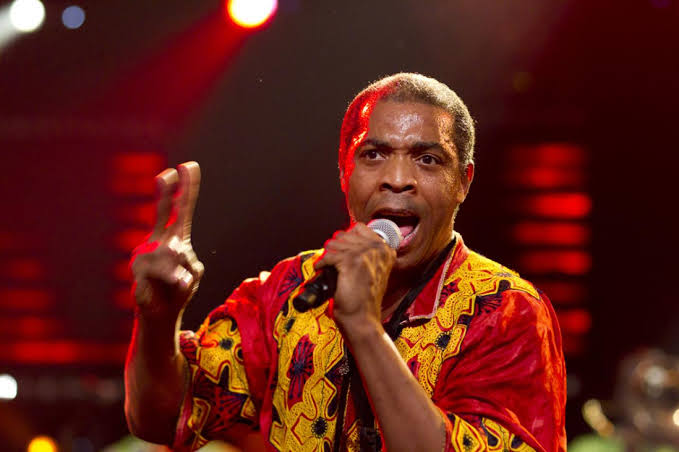
He pointed to recognition from institutions such as the Grammy Awards and the Rock & Roll Hall of Fame, suggesting that Fela would have appreciated the growing acknowledgement of his influence if he were alive today.
Femi acknowledged that his father was not particularly interested in awards during his lifetime. Nevertheless, he believes the recognition now being given to Fela’s work would have meant something to him.
The reflections offer another account of the personal and financial consequences Femi says his father experienced during years of political confrontation, while highlighting how Fela’s musical legacy continues to receive international attention decades after his death.