

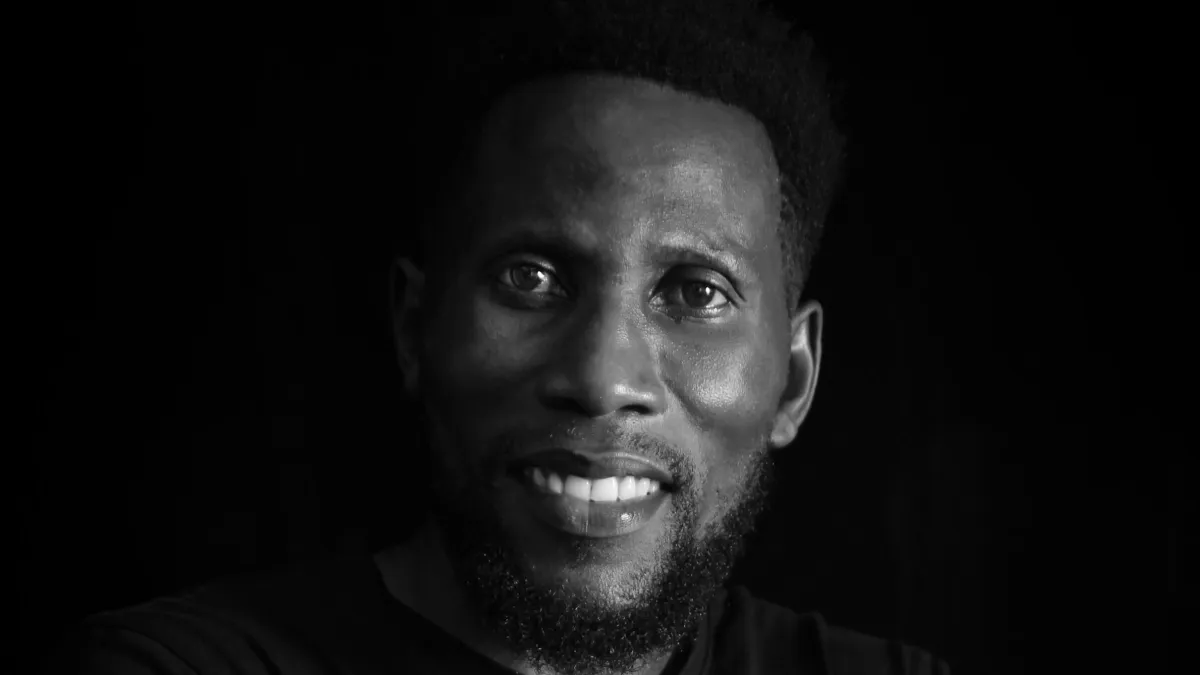
Free promotion. No invoice. No contract. Just a content creator putting real work into pushing your music to thousands of eyes — and the artist responds by posting a selfie on top of it.
That is the reality Dauda Kavuma, manager of the world-famous Triplets Ghetto Kids, just put on the table. And he did not come to whisper about it.
In a candid statement that is already making waves across Uganda’s entertainment circles, Kavuma broke his silence on why he struggles to promote Ugandan music despite genuinely loving it. The answer had nothing to do with money, time, or resources. It had everything to do with basic human decency — and a staggering lack of it.
But that is not even the wildest part. Because buried inside his frustration is the story of how the Ghetto Kids ended up collaborating with Shakira. And it proves his point better than anything else could.
Kavuma did not mince words. “We love to promote Ugandan music, but the challenge we face is that when you do it for a Ugandan artist without a single payment, they fail to comment, share, or even like the post.”

He went further. According to him, some artists do not just ignore the content — they actively bury it. They post fresh content immediately after a creator uploads a challenge or promotional video for their song, pushing it down the feed before it can gain any traction.
Think about what that means. A creator invests time, creativity, and a real audience to shine a light on your music. For free. And your response is to drown it out with your next post.
Kavuma says the contrast with international artists is not subtle. “When you do it for musicians from outside Uganda, they appreciate, comment, share, and sometimes even give you extra support after the challenge.”
The message from Ugandan artists, whether intentional or not, lands the same way every time. We don’t support each other here.
For anyone who doesn’t know Dauda Kavuma, here is the context. He manages the Triplets Ghetto Kids, a dance group that started in the streets of Kampala and went on to capture the attention of the entire world. The group has performed on international stages, collaborated with global artists, and become one of Uganda’s most recognisable cultural exports.

Kavuma has been at the centre of that journey — navigating opportunities, building relationships, and advocating for Ugandan talent on platforms most local artists only dream about. When he speaks about the music industry, he is not an outsider complaining. He is someone who has done the work, taken the risks, and watched what happens when people show up for each other versus when they don’t.
His frustration with Ugandan artists is not new, but his decision to say it publicly is. And people are listening.
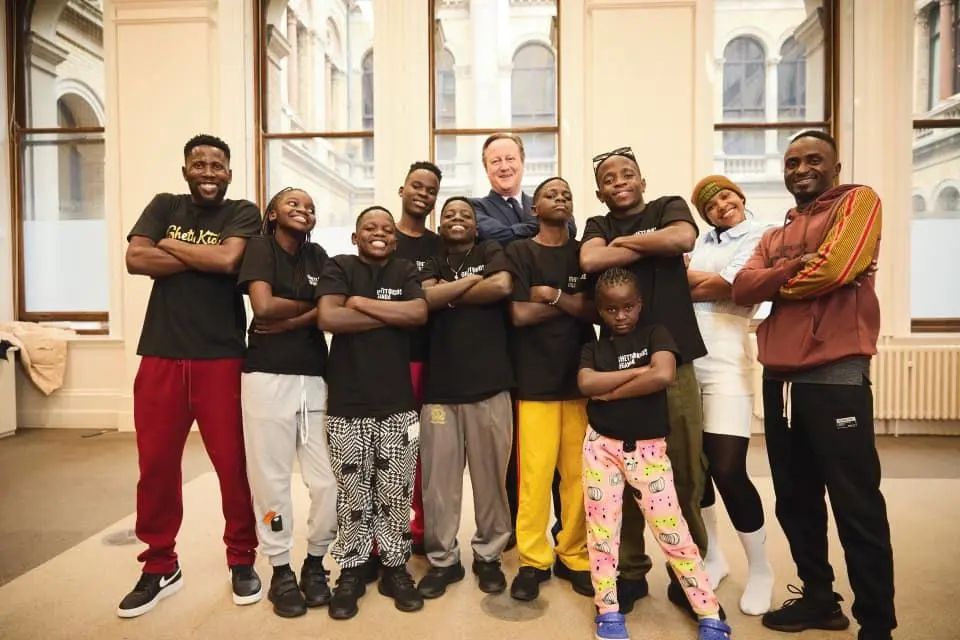
Fans immediately noticed the Shakira detail — and the internet had thoughts, and they were not holding back.
Kavuma revealed that the Ghetto Kids’ collaboration with the Colombian superstar did not come from a formal pitch or industry connection. It came from a challenge video. The group created content using one of Shakira’s songs, her team spotted it, and a collaboration followed.

Within hours of the story circulating, comment sections filled with one overwhelming reaction: so the exact thing Ugandan artists ignore is the thing that connected Ghetto Kids to Shakira?
The irony was impossible to miss. A simple challenge video, the same format local artists dismiss without a like, opened a door to one of the biggest names in global music. The post practically went viral on the strength of that contrast alone.
Some fans believe Kavuma’s statement will sting precisely because it is undeniable. Content creators across Uganda have been saying versions of this quietly for years — that local artists take free promotion for granted while international acts treat the same gesture like a gift.
Others are speculating about which artists Kavuma had in mind, though he named no one specifically. Sources close to Uganda’s entertainment scene suggest the behaviour he described is widespread enough that most creators will recognise it immediately.
It’s unclear whether this statement will change anything. But it has already changed the conversation.

Behind the manager’s frustration is something worth sitting with. Dauda Kavuma clearly loves Ugandan music. He said so himself. This is not a man who wants to turn his back on local artists — it is a man who wants them to do better, because he knows what is possible when they do.
The Ghetto Kids exist as proof of what Ugandan talent can achieve on a world stage. Kavuma has seen it up close. That is exactly why the indifference from local artists does not just disappoint him — it genuinely baffles him.
Here is the sentence that is going to get screenshotted and reposted all week: the same challenge video format that Ugandan artists post on top of without a second thought is the exact format that got the Ghetto Kids a Shakira collaboration.
Read that again.
Dauda Kavuma did not call out names. He did not start beef. He stated facts — and let the industry sit in them.
The question now is whether Ugandan artists are actually listening, or whether they are already preparing their next post to bury this one too. You tell us — has your favourite Ugandan artist ever shown love back to the people promoting them for free?