

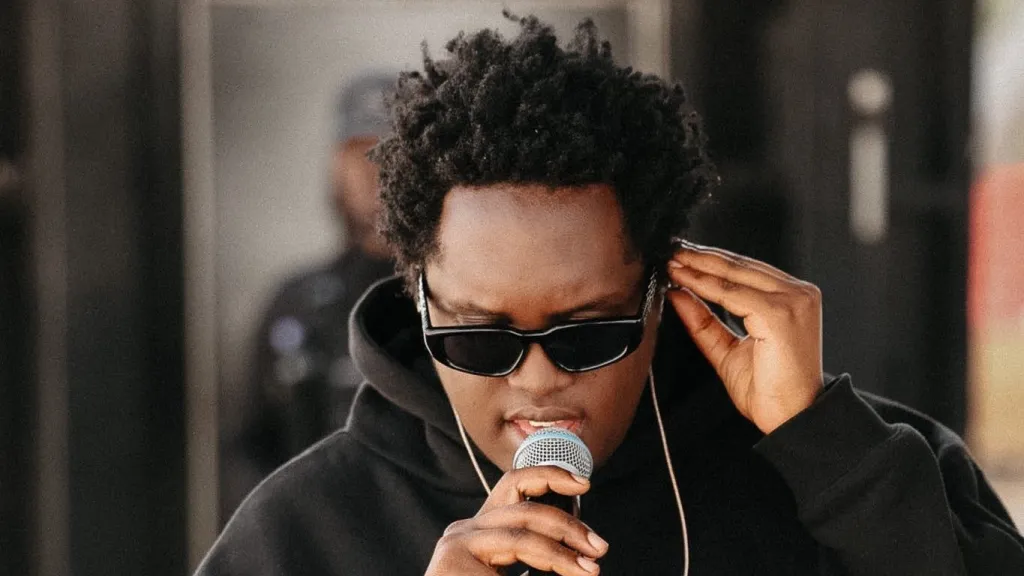
Ugandan singer Joshua Baraka is pushing back against being labelled an Afrobeats artist, saying his music stretches across several genres and that he prefers to be recognised simply as an artist.
Speaking on a podcast, Baraka explained that although he occasionally makes Afrobeats, he also explores dancehall, pop, reggae and other musical styles. He argued that recording a song in a particular genre does not mean an artist should be permanently defined by it.
“Afrobeats is a great genre, and dancehall is a great genre, pop too. I’m an artist; I make all that music. So, if I happen to make Afrobeats, it doesn’t make me an Afrobeats artist. If I make a reggae song, it doesn’t make me a reggae artist. I’m just an artist,” he said.

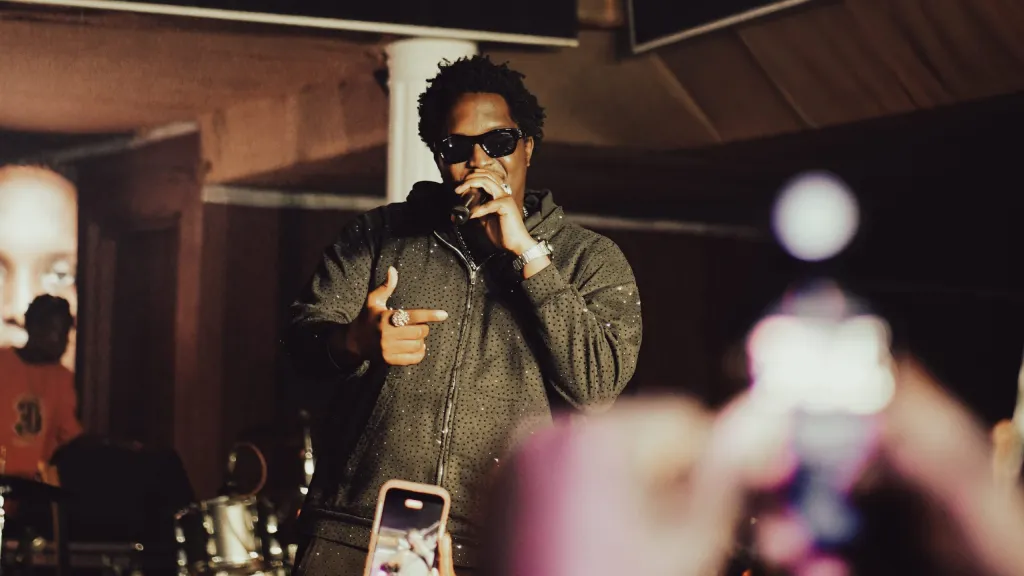
His remarks highlight a broader question about how African musicians are categorised in an increasingly interconnected music industry, where artists often draw inspiration from multiple sounds and audiences cross national borders.
For Baraka, the distinction matters because he does not want one genre to define the full range of his musical expression. Rather than limiting himself to a single label, he says he is interested in making different kinds of music.
The singer also turned his attention to Uganda’s wider musical identity, arguing that the country still lacks a clearly defined signature sound that immediately distinguishes its music from other African markets.

While Uganda has a diverse music scene, Baraka suggested that establishing a recognisable national sound remains an important conversation for artists and the industry.
He pointed to Ekidandali as one style associated with Uganda, describing it as a blend of reggaeton and dancehall that stands out to him.
“For Uganda, we lack a specific sound, but there’s one called Ekidandali, which is a mixture of reggaeton and dancehall, and it’s a crazy sound,” he added.

His comments suggest that, in his view, Uganda has sounds worth developing and showcasing, even as the country’s overall musical identity remains open to debate.
Baraka also acknowledged the challenges involved in categorising musicians from different parts of Africa, noting that conversations about the continent’s music can become complicated when artists do not fit neatly into familiar genre labels.

“The conversation is very wide, but it’s because a lot of these people don’t know where to put artists from different regions in Africa. But for now, we shall make the music we make,” he said.

Rather than treating genre labels as fixed identities, Baraka appears comfortable moving between styles and allowing the music to speak for itself.
His position also leaves a bigger question for Uganda’s music industry: should artists be defined by the genres they perform, or should the country focus on developing a distinctive sound that can travel internationally without limiting individual creativity?