

Uganda Judiciary Rejects Uganda Law Society Directive on Courtroom Titles and Bowing
Uganda’s Judiciary has rejected a directive issued by the Uganda Law Society (ULS) instructing lawyers to stop addressing judges as “My Lord,” “My Lady,” “Your Lordship,” and other traditional courtroom titles.
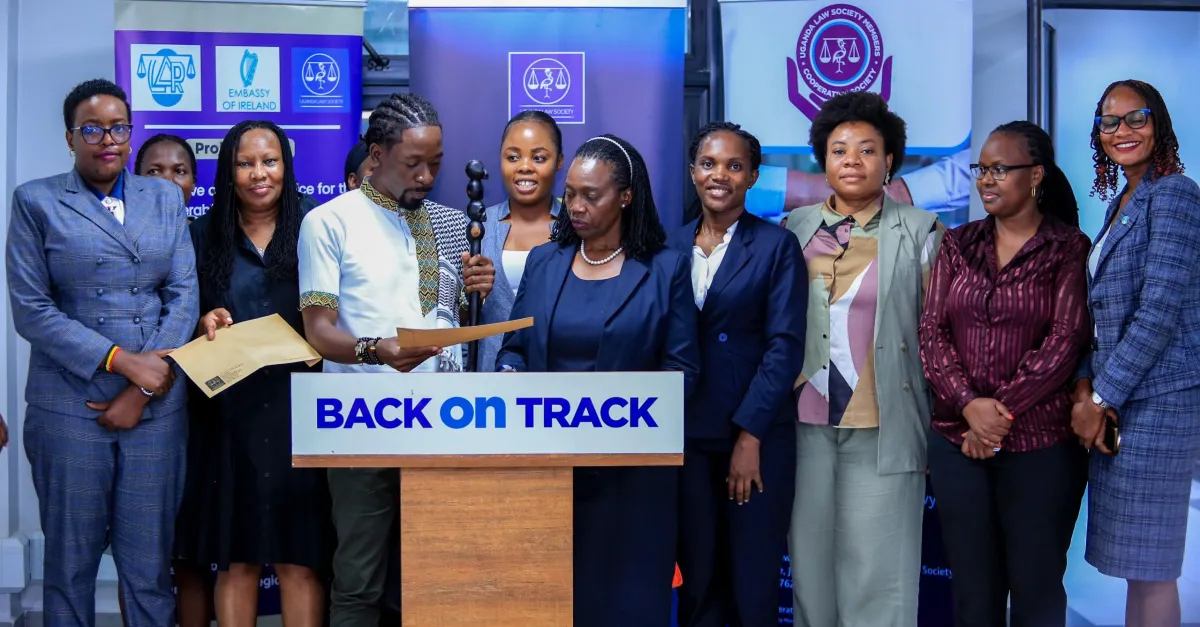
The guidance, signed by ULS President Isaac Ssemakadde, also called on advocates to stop bowing before judicial officers while addressing the court. According to the society, the changes are part of an effort to decolonise Uganda’s justice system and promote greater equality between judicial officers, lawyers, and litigants.
However, the Judiciary has made it clear that the directive will not change how proceedings are conducted in Ugandan courts.
ULS Calls for a Shift Away From Colonial-Era Traditions
In its guidance to members, the Uganda Law Society argued that many of the honorifics commonly used in court are remnants of colonial legal traditions that no longer reflect modern democratic values.
The society described titles such as “My Lord,” “Your Lordship,” “My Lady,” and “Your Worship” as “feudal and colonial honorifics” that elevate judges above the citizens they are meant to serve.
Instead, the ULS instructed advocates to adopt alternative forms of address, including:

- Mr Justice
- Madam Justice
- Mr Judge
- Madam Judge
- Mr Magistrate
- Madam Magistrate
- A judicial officer’s surname where appropriate
According to the society, the proposed changes are intended to help decolonise Uganda’s justice system, restore dignity to litigants, and eliminate courtroom customs it considers outdated and unnecessarily hierarchical.
The guidance also extended beyond language.
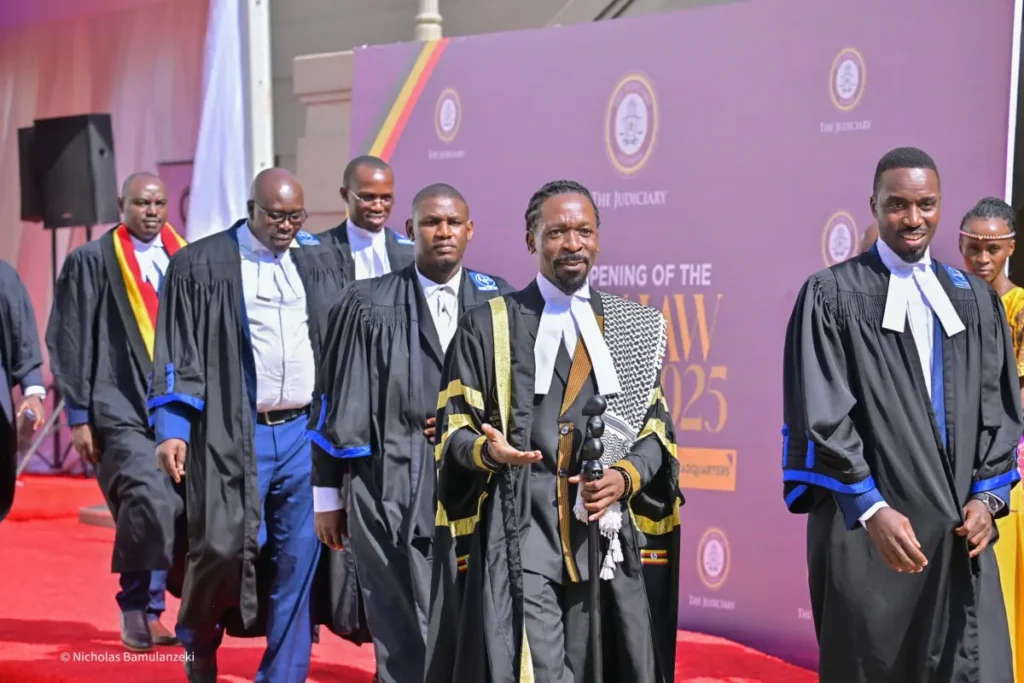
The ULS directed lawyers to remain standing upright while addressing the court, encouraging advocates and litigants to “speak as free citizens” without bowing or engaging in what it described as acts of physical subservience.
Judiciary Says the Directive Has No Legal Authority
The Judiciary responded swiftly through its spokesperson, James Ereemye, who dismissed the ULS directive.
According to Ereemye, the Uganda Law Society does not have the authority to determine how judicial officers should be addressed during court proceedings.
He said the Judiciary will continue enforcing the courtroom decorum currently recognised by the courts, meaning advocates appearing before judges are still expected to observe the established traditions.

The response effectively rejects the ULS guidance and signals that courtroom practice will remain unchanged unless the Judiciary itself adopts different procedures.
While the Law Society may issue guidance to its members, the Judiciary maintains that courtroom conduct ultimately falls under its own authority.
A Debate Rooted in Uganda’s Legal History
The disagreement has also drawn attention to the historical origins of Uganda’s legal system.
Like many former British colonies, Uganda inherited much of its judicial structure, legal procedures, and courtroom etiquette from the United Kingdom.
That legacy includes formal judicial titles, ceremonial courtroom practices, and traditions that have remained in place for decades.
The ULS argues that some of those customs should evolve to better reflect an independent Uganda and a justice system centred on equality and public service.

The Judiciary, however, has indicated that those traditions remain part of the recognised standards governing court proceedings.
As a result, lawyers now find themselves between guidance issued by their professional body and the courtroom expectations maintained by the Judiciary.
Why the Disagreement Matters
The dispute goes beyond courtroom language.
It raises broader questions about who has the authority to shape professional conduct within Uganda’s legal system and whether inherited legal traditions should continue unchanged.
Supporters of reform may view the ULS proposal as part of a wider conversation about modernising institutions established during the colonial era.
Others may argue that courtroom decorum serves an important role in maintaining respect, order, and the administration of justice regardless of its historical origins.

For now, the Judiciary’s position means the long-established forms of address remain in place.
For many Ugandans, courtroom traditions are so familiar that they often go unnoticed. Yet the current disagreement highlights how even longstanding customs can become the focus of larger debates about history, identity, and institutional reform.
Whether viewed as symbols of respect or relics of another era, the titles used in court continue to reflect broader conversations about how Uganda’s legal system should evolve while preserving confidence in the administration of justice.
With the Judiciary standing by existing courtroom protocol and the Uganda Law Society advocating for reform, the debate over judicial titles and courtroom etiquette appears far from settled.