

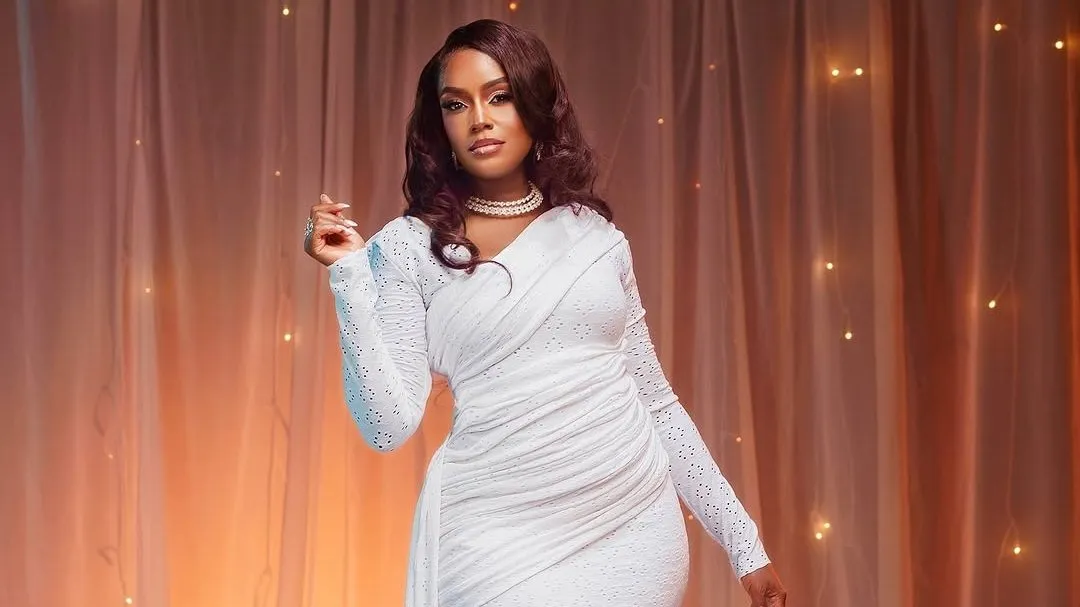
Some artists make music. Juliana Kanyomozi is music. And if you have ever watched her perform, heard her voice cut through a room, or followed the kind of career that survives everything life throws at it and still comes back stronger — you already knew that before she said it out loud.
But she said it out loud. And the way she said it stopped people mid-scroll.
In a recent interview, Uganda’s most enduring female music icon opened up about her relationship with her craft in a way that went far beyond the usual talk of albums, awards, and achievements. She was not talking about strategy. She was not talking about brand. She was talking about something that lives inside her — something she did not choose so much as arrive already carrying.
And what she said next is the kind of thing you do not forget easily.
Juliana did not dress it up or reach for complicated language. She simply told the truth as she lives it.

“For me it’s a calling. Music is a lifestyle, music is what I feel I was born to do.”
She acknowledged, calmly and without defensiveness, that music can technically be classified as a job. Money comes in. Performances are scheduled. Contracts are signed. She understands the business side exists. But she was clear that for her, that framing only captures the surface of what music actually is in her life.
The deeper reality, she explained, is that she cannot separate herself from it. It is not something she switches on for a stage and switches off when she gets home.
“So it might be hard for me to wake up one morning and say that I’m quitting music, I can’t do that because I live and breathe music.”
That sentence alone has been doing rounds across social media since the interview dropped. Not because it is shocking — but because coming from her, it lands with the full weight of everything her career has actually looked like.

For anyone who needs the full picture, Juliana Kanyomozi is not simply a Ugandan musician. She is the Ugandan musician against whom a generation of female artists has been measured. Her voice, her longevity, her ability to connect emotionally across decades of music — these are not things that happen by accident or industry positioning.
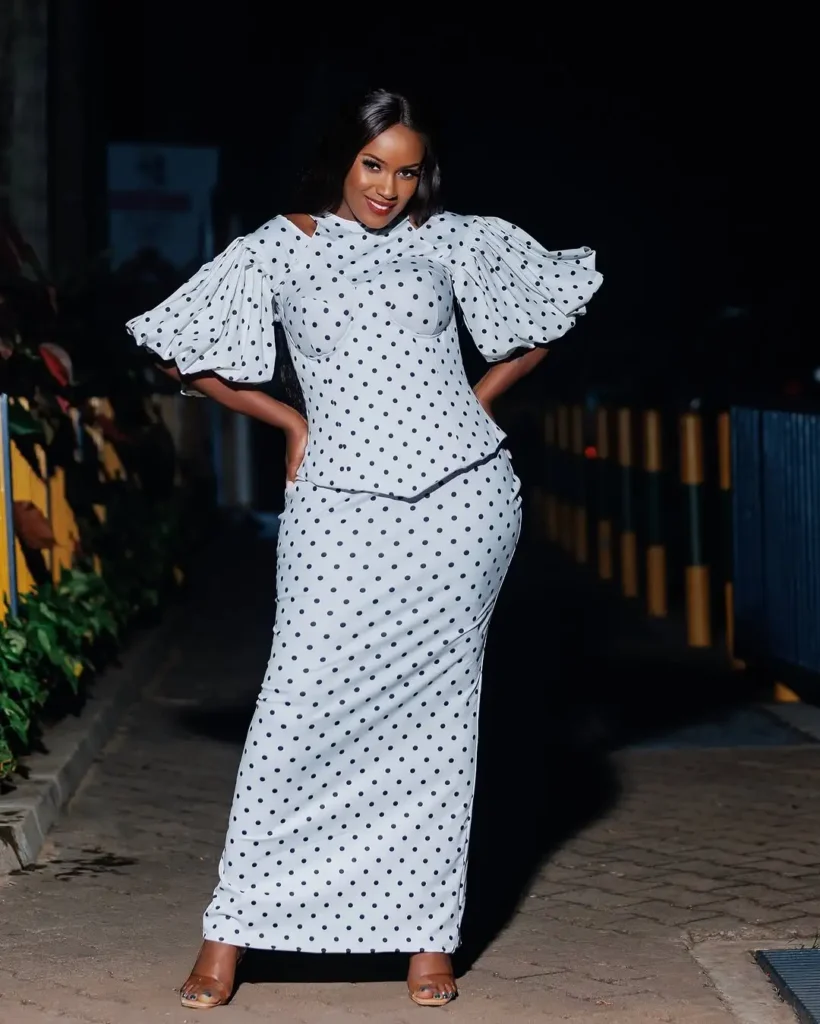
She has navigated loss, personal heartbreak, public scrutiny, and the brutal churn of an entertainment industry that discards artists the moment a newer sound arrives. She has outlasted trends, outlasted critics, and outlasted the careers of artists who arrived with more noise and less substance.
None of that happens if music is merely a job. Jobs get abandoned when they become too difficult. Callings do not.
She also acknowledged in the interview that she may explore other ventures alongside music — a measured, self-aware admission that she is a full human being with multiple dimensions. But she was equally clear that no venture, no matter how successful, would ever replace what music occupies in her life.
Fans immediately recognised what made this interview different from the standard celebrity Q and A — and the internet had thoughts, and they were not holding back.

The response was overwhelmingly emotional. Long-time followers of Juliana’s career flooded comment sections with personal stories about what her music had meant to them during the hardest moments of their own lives. People described playing her songs at funerals, at weddings, during breakups, during recoveries.
That kind of response does not greet a musician who treats their work as a transaction. It greets someone whose audience can feel, even through a speaker or a phone screen, that the person singing actually means every word.
The “I live and breathe music” line became the screenshot of the day — shared not just as a celebrity quote but as something people genuinely wanted in their timelines as a reminder of what real devotion to a craft looks like.
Some fans believe Juliana’s words carry an indirect message to a younger generation of artists who entered the industry chasing virality and brand deals before they had anything meaningful to say musically. The contrast between an artist who describes music as a calling and one who approaches it as a content strategy is not subtle — and Uganda’s music community noticed.
Others are simply taking the interview at face value — a woman at a certain point in a remarkable career reflecting honestly on why she is still here and still doing this. No agenda. No comeback narrative. Just truth.

It is unclear what new projects Juliana currently has in the works, but sources close to her circle suggest she remains as creatively active as ever — which, given what she has just said publicly about her relationship with music, should surprise absolutely nobody.
Here is what makes Juliana Kanyomozi’s statement resonate beyond the expected celebrity interview moment. She is not saying she loves music. Plenty of artists say they love music. She is saying she cannot locate a version of herself that exists without it.
That is a different thing entirely. That is the kind of relationship with a craft that produces work people carry with them for decades — not just while it is charting, but long after the playlists have moved on.
Here is the line worth screenshotting, printing, and putting above a studio desk somewhere: “I live and breathe music.” Four words from a woman whose entire career is the evidence behind them.
Juliana Kanyomozi did not need to prove this statement. She already spent thirty years doing exactly that.
Some artists reach a point and start planning their exit. Juliana Kanyomozi just told Uganda — clearly, warmly, and without a single note of drama — that there is no exit being planned.
She was born to sing. She is still singing. And if her words this week mean anything at all, Uganda had better get comfortable with the idea that Juliana is not going anywhere anytime soon. The only question worth asking is — which song comes next?