

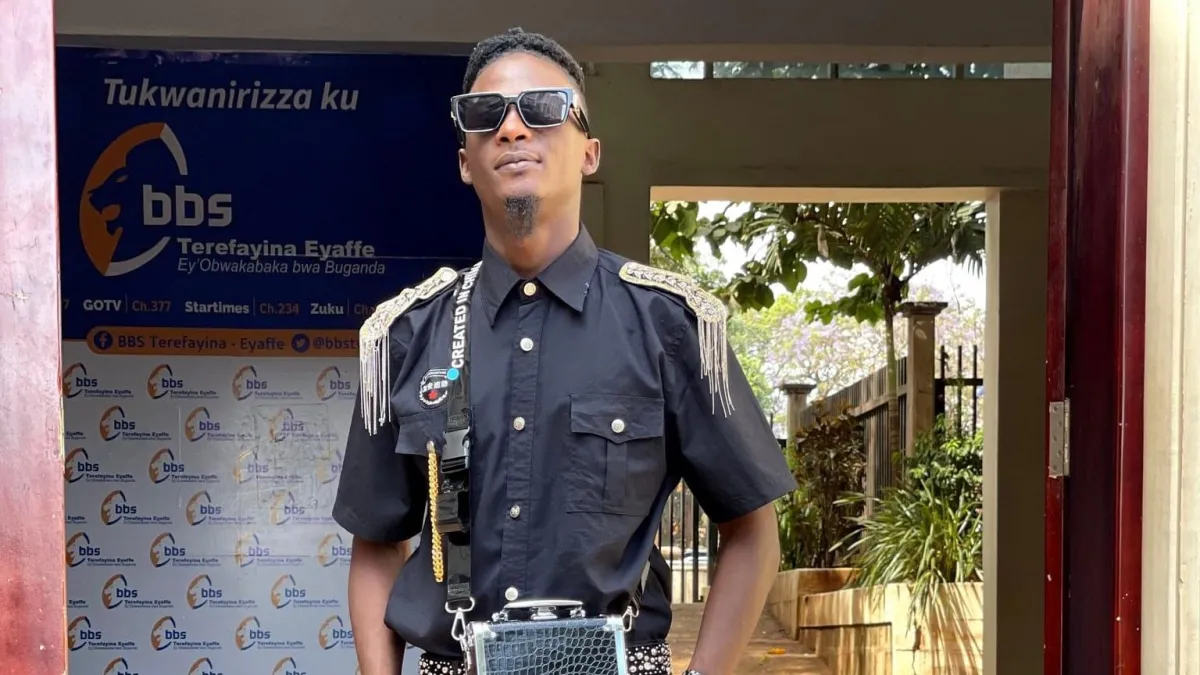
For many artists, a first self-organized concert can be a daunting gamble. For Kalifah AgaNaga, however, the recently concluded Nassanga Festival was never solely about filling a venue—it was about gaining the knowledge needed to stage even bigger events in the future.
Although the festival attracted criticism over its turnout at Forest Park Lweza, the singer says he considers the event a success because it achieved the objective he had set from the beginning. Rather than viewing it as a setback, AgaNaga says the experience has strengthened his confidence and convinced him that he can organize larger concerts at venues such as Lugogo Cricket Oval or Kololo without depending on a promoter.
Instead of focusing on attendance figures, the artist says he chose to measure the event by what he learned behind the scenes.
The singer explained that the Nassanga Festival was intentionally organized as a practical learning exercise. Rather than handing responsibility to an established promoter, he wanted to personally understand every stage involved in putting together a major public event.

That meant navigating approvals from government agencies and authorities, including the police, NEMA, KCCA, and other institutions responsible for authorizing concerts.
According to AgaNaga, that hands-on experience has now given him a clear understanding of the bureaucracy that comes with staging large entertainment events.
“I wanted to learn about the bureaucracy of police clearance, NEMA, KCCA and everything, and I now know how it works.”
The artist added that simply making sure the festival happened was an achievement in itself.

“I am happy as someone who held the show because it was going to be bad for me if that show didn’t happen. If anyone wants to criticise me, let them first applaud me for holding a show without a promoter.”
Those remarks underline what AgaNaga believes was the biggest victory of the festival—not necessarily the size of the crowd, but successfully delivering an independently organized event.
The singer also believes the experience has fundamentally changed how he views his career. Having overseen the organization himself, he says he now feels more empowered both as a performer and as someone capable of producing major concerts.
According to AgaNaga, artists often spend years building their brands, only for promoters to benefit more from the value those artists create.

He argued that many promoters organize concerts featuring multiple performers, allowing them to generate profits while individual artists do not always receive recognition that reflects the investment they have made in their careers.
While he did not dismiss promoters altogether, AgaNaga suggested that successfully organizing the Nassanga Festival proved artists can take greater control of their own events if they are willing to learn the process.
That confidence, he says, is what has inspired him to think beyond Forest Park Lweza and consider much larger venues for future productions.

Why This Matters
Independent concerts have become an increasingly important topic within Uganda’s entertainment industry, where many artists continue to rely heavily on promoters to finance and organize major shows.

Kalifah AgaNaga’s comments highlight another perspective—one that encourages artists to understand the business and logistics behind live entertainment rather than focusing only on performing. His experience may resonate with musicians who want greater control over their brands, finances, and creative direction.
Whether future artists choose a similar path remains to be seen, but AgaNaga believes understanding the organizational side of the business is just as valuable as performing on stage.
Behind the headlines about attendance and criticism, AgaNaga says the festival represented something more personal. Organizing a concert without a promoter meant accepting both the risks and the responsibility that come with producing a live event.
For the singer, the lessons learned appear to outweigh the criticism. Rather than dwelling on public opinion about the turnout, he says the experience has prepared him for an even bigger challenge the next time he steps onto the concert stage—not just as an artist, but as an organizer.
His next move will likely show whether the lessons from the Nassanga Festival translate into an even larger production.