


What started as a star-studded music night quickly spiraled into chaos — and now one of Uganda’s most outspoken media personalities is calling for serious action.
Isaac Katende, popularly known as Kasuku, has demanded that Pallaso and King Saha, along with their respective camps, be permanently banned from Supremacy Lounge following a violent clash that left multiple people injured.
And his message is not subtle.
According to Kasuku, the situation has gone beyond entertainment drama and into a dangerous pattern that threatens public safety.
The incident unfolded on Wednesday night at Supremacy Lounge in Nakulabye during MC Scorpion’s concert, an event that attracted several high-profile entertainers, including Spice Diana and Sqoop Larma.
What was expected to be a vibrant nightlife showcase reportedly turned into a violent confrontation involving members of Pallaso and King Saha’s camps.
Sources and onlookers claim the clash was triggered by long-standing tensions between the two groups, which quickly escalated inside and outside the venue.
Within moments, the situation spiraled.
Witnesses say chaos erupted, with members from both sides engaging in physical confrontation that left several individuals injured.
One of Pallaso’s bodyguards was reportedly rushed to hospital after sustaining a lacerated arm.
And just like that, the night’s energy collapsed into panic.
Now, Kasuku is speaking out — and he is not holding back.
The media personality has publicly called on the management of Supremacy Lounge to ban both artists and their entourages from ever returning to the venue.
According to him, this is not an isolated incident — but part of a pattern that could damage nightlife businesses across the city.
Kasuku, known for his blunt commentary on Uganda’s entertainment industry, has often criticized celebrity behavior that spills over into public disruption.
His latest remarks come at a time when tensions between rival artist camps have repeatedly made headlines within Kampala’s nightlife scene.

Pallaso and King Saha, both established names in Ugandan music, have had a history of reported misunderstandings and indirect confrontations, often fueled by fan bases and entourage rivalries.
While both artists have maintained strong individual careers and loyal followings, their camps have occasionally been linked to heated exchanges at public events.
Supremacy Lounge itself is one of Kampala’s well-known entertainment spots, frequently hosting major music events and celebrity appearances.
However, Kasuku argues that repeated violent incidents risk damaging not only the venue’s reputation but also the broader nightlife economy.
In his view, stricter enforcement is necessary to protect paying customers who simply want to enjoy entertainment without fear of chaos.
As details of the clash spread online, social media quickly lit up with reactions, clips, and heated debates.
Some users expressed shock that yet another major entertainment event ended in violence involving well-known figures.
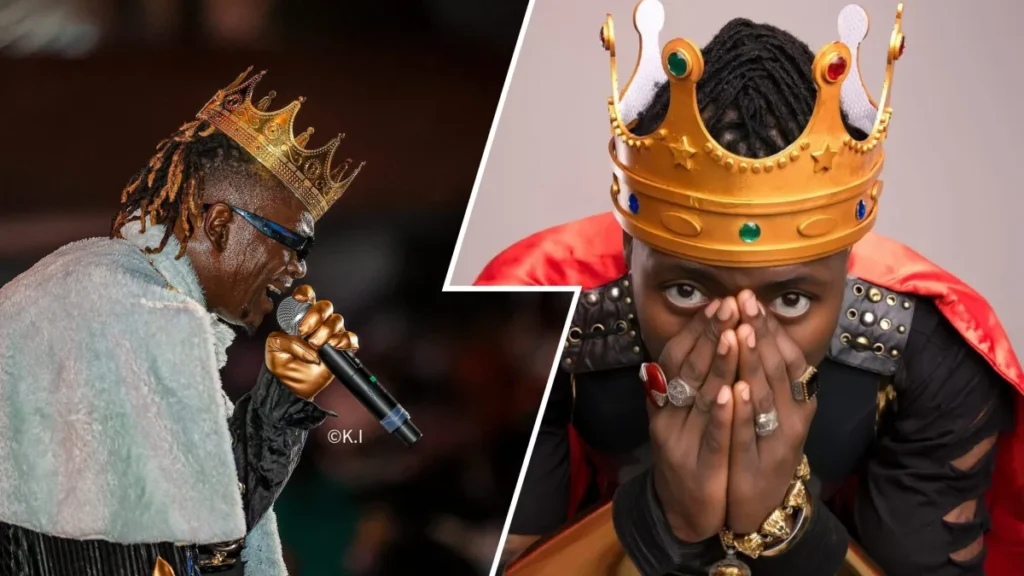
Others focused on Kasuku’s strong stance, with his call for a permanent ban becoming one of the most discussed talking points of the incident.
Clips allegedly showing tense moments around the venue began circulating, with users adding commentary, memes, and criticism of celebrity entourage culture.
Within hours, the incident became one of the top trending entertainment stories online.
One viral post read: “When music night turns into emergency room night.”
Another user wrote: “At this point, venues need bouncers for the bouncers.”
The conversation quickly shifted from gossip to safety concerns.
Some fans agree with Kasuku, arguing that repeated altercations involving artist camps could discourage attendance at live events and damage Kampala’s entertainment industry reputation.
Others believe banning artists is not a sustainable solution, suggesting better security measures and stricter event coordination instead.
Meanwhile, speculation continues around whether the rivalry between Pallaso and King Saha’s camps is escalating or simply a recurring pattern of entourage clashes rather than direct artist conflict.

It also remains unclear whether Supremacy Lounge management will officially respond to Kasuku’s demand or take disciplinary action.
For now, silence from the venue has only fueled further discussion online.
Beyond the headlines and celebrity names, the incident highlights a deeper issue facing the entertainment industry — the fine line between hype and harm.
Nightlife events are meant to bring people together through music, performance, and culture.
But when rivalries spill into physical confrontation, the impact extends beyond artists to staff, fans, and ordinary attendees who simply want a safe night out.
Kasuku’s comments reflect a growing frustration among observers who feel that repeated incidents are starting to overshadow the music itself.
Ironically, what was meant to be another major celebration of Ugandan music talent has now become a flashpoint for debate about safety, responsibility, and accountability in the entertainment scene.
And with calls for bans now entering the conversation, the consequences of that one night may extend far beyond Supremacy Lounge.
One thing is clear — Kasuku has drawn a hard line in the sand. But whether the industry follows his call or continues business as usual is a question that now hangs over Kampala’s nightlife scene.