

Rappers Say Artist-Manager Breakups Are “Overdramatized”
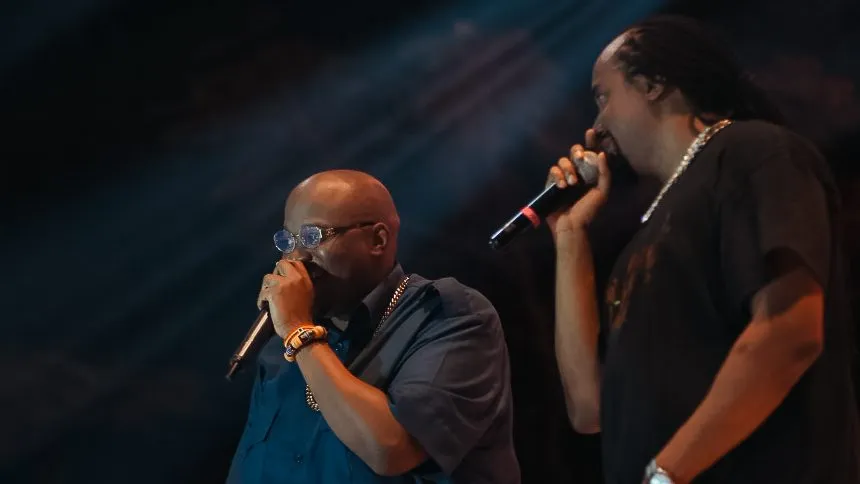
Veteran Ugandan rappers Navio and The Mith have stepped into the ongoing conversation around artist-management breakups — and their message is clear: not every split needs to turn into public drama.
The two appeared on the Nothing Serious Podcast hosted by Sabrina Agasha, where they addressed the growing debate following Joshua Baraka’s recent separation from his management team after five years of working together.
And instead of fueling speculation, both artists urged calm, perspective, and professionalism.
According to The Mith, artist and management separations are not a new phenomenon in the music industry, despite how loudly they now play out on social media.
“It’s unfortunate that in this era such things are louder than usual but we’ve seen this happen before,” he explained.
He emphasized that these types of breakups have always existed behind the scenes, but what has changed is how quickly they now become public conversations.
The Mith noted that in earlier years, similar transitions happened quietly, without online debates, fan wars, or speculation about who is to blame.
But today, social media dynamics have completely changed that landscape.

He pointed out that fan communities often intensify the situation by taking sides immediately.
According to him, supporters of the artist tend to claim the performer will thrive independently, while supporters of the management often predict a decline in the artist’s career.
And that back-and-forth, he said, is what turns a standard business decision into unnecessary conflict.
The Mith further warned that this pattern is one of the ways long-term industry beefs are created — not from the actual split itself, but from public interpretation of it.
Navio echoed similar sentiments, drawing from his own experience in the industry.
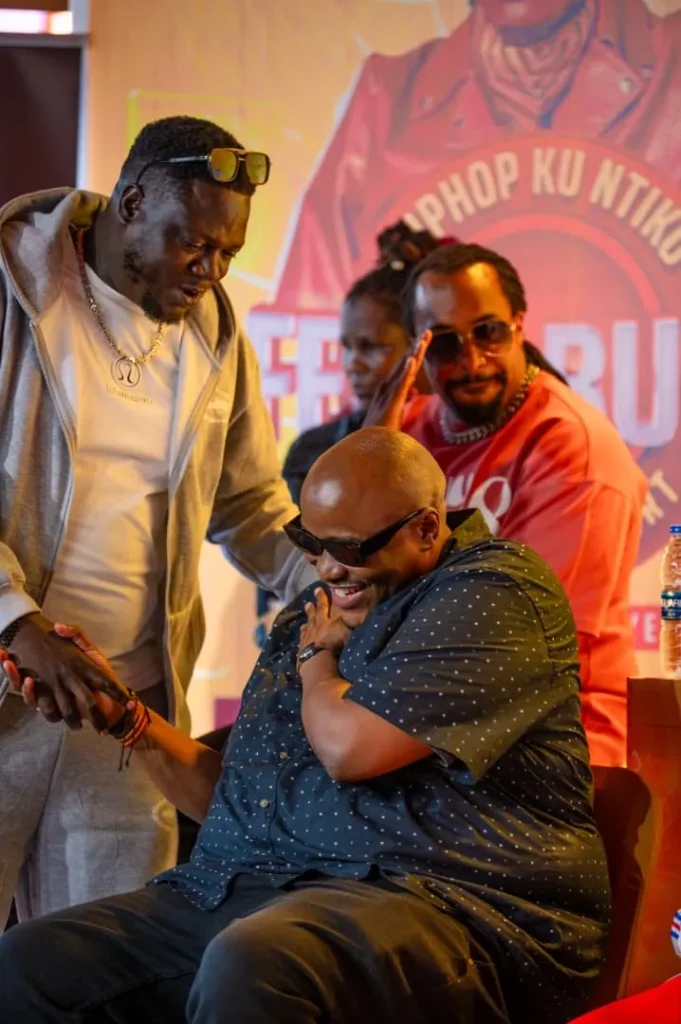
He revealed that he parted ways with his management over a decade ago, but the relationship remained respectful and professionally beneficial on both sides.
“Over 10 years ago, I was under a management but we parted ways peacefully and we have both made more money for each other than when we were together,” Navio shared.
That statement highlighted a different narrative — one where separation does not automatically mean conflict.
Instead, it can evolve into mutual success outside of formal structures.

And that perspective is becoming increasingly relevant as Uganda’s music industry continues to grow and professionalize.
Joshua Baraka’s recent exit from his long-term management team has sparked wider conversations within Uganda’s entertainment industry about contracts, artist autonomy, and career direction.
Artist-management relationships are often central to an artist’s development, particularly in early stages when branding, bookings, and promotion are handled externally.
However, as artists grow, many eventually seek independence or new strategic direction, leading to inevitable separations.
In many cases, these transitions are smooth and private.
But in today’s digital environment, even routine business decisions can quickly become trending topics, often shaped by fan reactions and online commentary.
Navio and The Mith’s comments reflect a broader industry concern — that public narratives can sometimes overshadow the actual professionalism behind these decisions.
And honestly, their perspective comes from years of navigating the evolving structure of Uganda’s hip hop scene.
Clips from the podcast episode began circulating shortly after release, especially sections where The Mith discussed how fan reactions amplify industry breakups.

Social media users quickly engaged with the discussion, sharing opinions on whether artists should disclose management changes publicly or keep them private.
Within hours, the conversation expanded beyond Joshua Baraka’s situation and into broader debates about professionalism in the entertainment industry.
And yes — fans had mixed reactions.
Some agreed with Navio and The Mith, praising their mature and experienced take on handling industry relationships.
Others argued that transparency matters, especially when artists build strong public connections with their teams and audiences.
Either way, the episode triggered meaningful discussion across entertainment platforms.
Online reactions have largely centered on the idea of “industry maturity.”
Many users praised the rappers for advocating peaceful resolutions and long-term professional respect between artists and former managers.
Others highlighted how rare it is for industry figures to openly discuss business relationships without assigning blame.

A section of fans also noted that Navio’s long-standing career gives weight to his perspective, especially given his experience navigating different phases of the music industry.
Meanwhile, discussions around Joshua Baraka’s situation continue, though most agree that the broader conversation has now shifted toward industry standards rather than individual disputes.
Still, the debate reflects ongoing tension between traditional music business practices and modern fan-driven narratives.
Beyond the industry analysis, the conversation highlights a deeper truth about creative careers.
Not all endings are failures.
Some are simply transitions.
And in an industry built on collaboration, timing, and evolving vision, separation does not always erase respect or shared history.
Navio and The Mith’s reflections underline the importance of emotional maturity in entertainment — where careers often outgrow structures, but don’t have to outgrow relationships.
The biggest takeaway from the discussion?
In music, endings don’t always mean conflict — sometimes they simply mean evolution.
One thing’s certain — in Uganda’s entertainment industry, the loudest breakup is not always the most dramatic one.