


Nigerian singer Patoranking has sparked a conversation about election violence after comparing the 2026 United States midterm elections with Nigeria’s electoral experience.
The Afrobeats star expressed disappointment over what he described as the contrast between peaceful voting in the United States and incidents of violence and ballot box snatching associated with elections in Nigeria.

In a post shared on his social media account on Friday morning, Patoranking pointed out that nobody had reportedly died or run away with ballot boxes during the American elections.
He wrote:

“Nobody Die for America Election Nobody carry ballot box Run, sometimes Nigeria go make you feel like say Bad things na Normal thing….sad Much.”
His comments reflected frustration with electoral violence and the normalisation of incidents that can undermine public confidence in Nigeria’s democratic process.

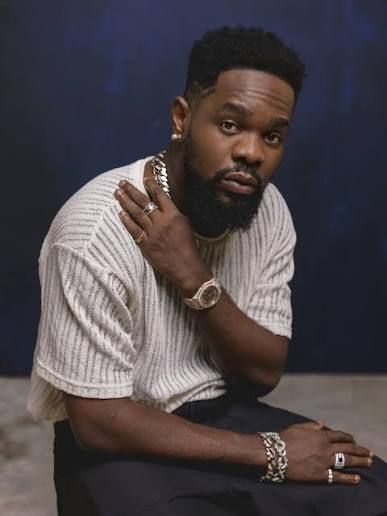
Democrats Take Control of Both Chambers of US Congress
Patoranking’s reaction followed the November 3, 2026, US midterm elections, in which voters elected members of Congress and participated in several state-level contests.
The elections resulted in a major shift in congressional control, with Democrats securing majorities in both the House of Representatives and the Senate, ending unified Republican control ahead of the next Congress.

The Associated Press called Democratic control of the Senate on election night and the House early the following morning. Democrats flipped at least seven Republican-held Senate seats, while their gains in the House extended to more than two dozen districts.
The final balance of seats was still being determined in several closely contested races as votes continued to be counted.
The midterm elections were held during President Donald Trump’s administration and will shape the political balance in Washington when the new Congress takes office in January 2027.
Patoranking did not comment on the individual candidates or parties involved in the American elections. His message instead focused on the conduct of elections and the importance of protecting voters and the ballot.
His comparison has brought renewed attention to the broader issue of electoral integrity, particularly the need for credible voting processes in which citizens can exercise their democratic rights without intimidation or violence.