


Prima Kadarshi has shared her thoughts on why some Ugandan concerts are struggling to attract large crowds, arguing that many artists need to rethink how they create and deliver live experiences.
Speaking during a recent TikTok Live, the entrepreneur and socialite said some musicians have become too predictable, offering fans similar performances, stage setups, and concepts at different events.
According to Prima, the lack of innovation has made some audiences less excited about spending money to attend local concerts.
She argued that fans want more than simply seeing an artist perform familiar songs on stage—they want memorable experiences that feel different from previous events.
For Prima, the issue is not a lack of talent among Ugandan musicians, but rather a need for artists to improve how they package their shows.

“They are my friends so if I can’t tell them, who will? It seems people fear telling them the truth. Your concerts are boring, we can’t see the same basic things every time.”
Her comments come amid wider conversations about concert attendance and the challenges facing Uganda’s entertainment industry.
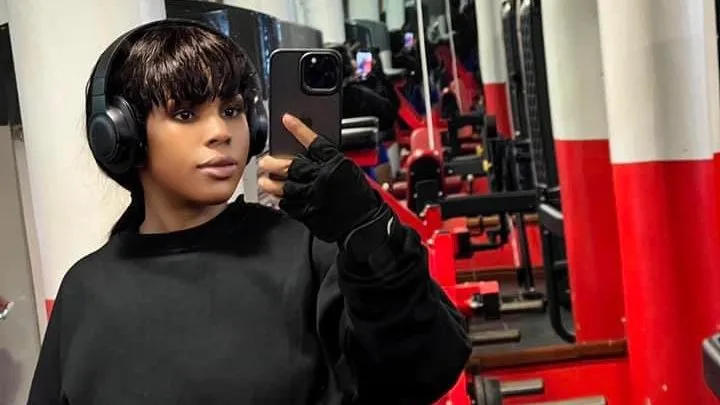
Prima said she personally reached a point where she stopped attending some Ugandan events because she felt they were not offering enough value for the money spent.
“I woke up one day and decided I won’t go back to Ugandan events. I don’t have FOMO because I can’t be paying my money for rubbish.”
She explained that fans should not feel pressured to attend events simply because they are popular or because others are going. Instead, she believes artists need to give audiences a genuine reason to show up.

Beyond stage performances, Prima also criticized what she described as a lack of evolution in artists’ fashion choices and overall presentation.
She argued that some musicians continue using the same styles and approaches year after year instead of reinventing themselves and creating new identities that excite fans.
According to her, successful concerts require more than booking an artist and setting up a stage. She believes performers must think about the entire experience, including visuals, creativity, branding, and audience engagement.
Prima Kadarshi’s remarks come during ongoing discussions about the performance of Ugandan concerts and the factors that influence attendance.
Recently, debates around Kalifah AgaNaga’s Nassanga Festival also sparked conversations about crowd turnout, event organization, and the changing expectations of music audiences.

AgaNaga defended his concert, saying it achieved its goals and gave him valuable experience in organizing events independently.

Prima’s comments focus on another side of the conversation: whether artists are giving fans enough reason to return to concerts repeatedly.
Live performances remain one of the biggest sources of income and visibility for musicians, but attracting audiences in a competitive entertainment market requires more than popularity alone.
Prima’s criticism highlights the growing importance of creativity, production quality, and fan experience in the concert business.
As audiences become exposed to international entertainment standards, expectations around stage design, performances, and presentation continue to evolve.

Whether artists agree with her assessment or not, the conversation raises questions about how Uganda’s music industry can continue growing and keeping fans engaged.
For artists, criticism from industry observers can be difficult to hear, especially when it challenges long-standing approaches.
However, Prima says her comments come from wanting musicians to improve rather than from a desire to discourage them. By calling for more creativity and better planning, she believes artists can create events that fans are genuinely excited to attend.
The future of Ugandan concerts may depend on how artists respond to changing audience expectations—and whether they can turn criticism into new ideas.