

By Wamala Sipirian
Published: September 24, 2026
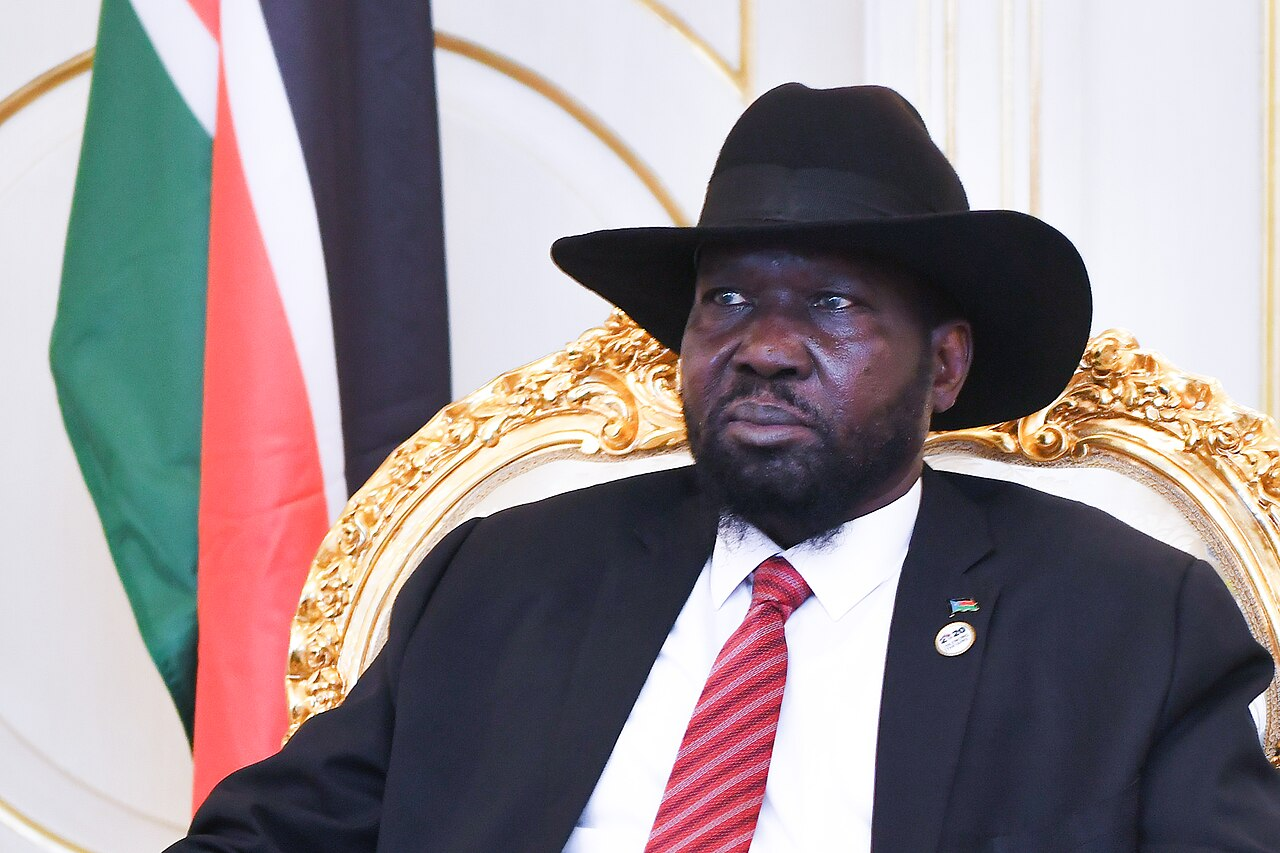
JUBA — South Sudan President Salva Kiir Mayardit has dissolved the country’s Transitional Government of National Unity and appointed a caretaker administration as preparations continue for general elections scheduled for December 22, 2026.
The changes, announced in Juba on Tuesday, September 22, removed the country’s five vice presidents, substantive national ministers and deputy ministers, dissolved the Transitional National Legislative Assembly and Council of States, and ended the existing state governments and administrations of the three administrative areas.
The transitional government was established under the 2018 peace agreement that brought together forces aligned with Kiir and longtime rival Riek Machar following years of civil war.
Kiir Remains President During Electoral Period
First Vice President Riek Machar Teny and Vice Presidents James Wani Igga, Taban Deng Gai, Hussein Abdelbagi Akol and Rebecca Nyandeng Garang were relieved of their positions.
Machar has been under house arrest since March 2025 and is facing charges including treason and murder, which he denies.
Under amendments to South Sudan’s electoral legislation signed into law shortly before the dissolution, the incumbent executive leadership remains in office with constitutional powers throughout the electoral period until an elected president assumes office. The amended law also removed previous legal links between elections and the completion of the permanent constitution and national census.
Caretaker Administration Appointed
Kiir appointed Joseph Ngere Paciko as presidential adviser on governance and named a caretaker cabinet to oversee government functions during the electoral period.
Africano Mande Gedima was appointed Minister of Presidential Affairs, while Martin Elia Lomuro retained the Cabinet Affairs portfolio.
Other caretaker appointments include Cecilia Adut Manyok as Minister of Foreign Affairs and International Cooperation, Ayor Akuoch Anok as Defence Minister, Rizik Zakariah Hassan as Interior Minister, Wek Mamer Kuol as Justice and Constitutional Affairs Minister, and Obuto Mamur Mete as Minister of National Security.
Athian Diing Athian was appointed Minister of Finance, Awou Daniel Chiang took charge of Petroleum, Labanya Margret was appointed Minister of Trade, and Ateny Wek Ateny retained the Information and ICT portfolio.
Michael Makuei Lueth was appointed Minister of East African Community Affairs, while Stephen Par Kuol became Minister of Peacebuilding.
Caretaker governors were also appointed for the 10 states, while separate administrators were appointed for Abyei, Greater Pibor and Ruweng.
Electoral Law Amended
The government dissolution followed Kiir’s assent to amendments to the National Elections Act.
The amendments were designed to remove legal obstacles that had previously linked the holding of elections to the permanent constitution-making process and a national census. The amended legislation sets the National Legislative Assembly at 270 members, compared with the previous 650-member structure, while state legislative assemblies will have 58 members. Administrative-area councils will have 20 members each.
The National Elections Commission has set December 22, 2026, as the date for the general elections.
South Sudan has not held a national election since gaining independence from Sudan in 2011. Previous elections have been delayed amid conflict, political disagreements and difficulties implementing the 2018 peace agreement.
Questions Over Election Preparations
The dissolution comes with the country entering the final three months before the scheduled vote.
Recent reporting has highlighted concerns about the preparations, including the fact that voter registration has yet to begin and continuing political and security challenges.
The decision to dissolve the power-sharing government has also drawn attention because the arrangement was established as part of the 2018 peace process and brought former political and military rivals into the same administration.
The caretaker administration is expected to remain in place through the electoral period until elected national and subnational officials assume office, unless the arrangement is amended or revoked.
The government has said the restructuring is intended to facilitate the transition toward the December elections, while independent reporting has highlighted questions surrounding the preparations and the future of the power-sharing framework.
Sources
- South Sudan Broadcasting Corporation (SSBC), September 22, 2026 — announcement of the dissolution and electoral transition.
- Radio Tamazuj, September 22, 2026 — details of the Republican Order and caretaker appointments.
- Reuters, September 22, 2026 — electoral-law amendments and dissolution of the transitional government.
- Al Jazeera, September 23, 2026 — reporting on the dissolution and political context.