

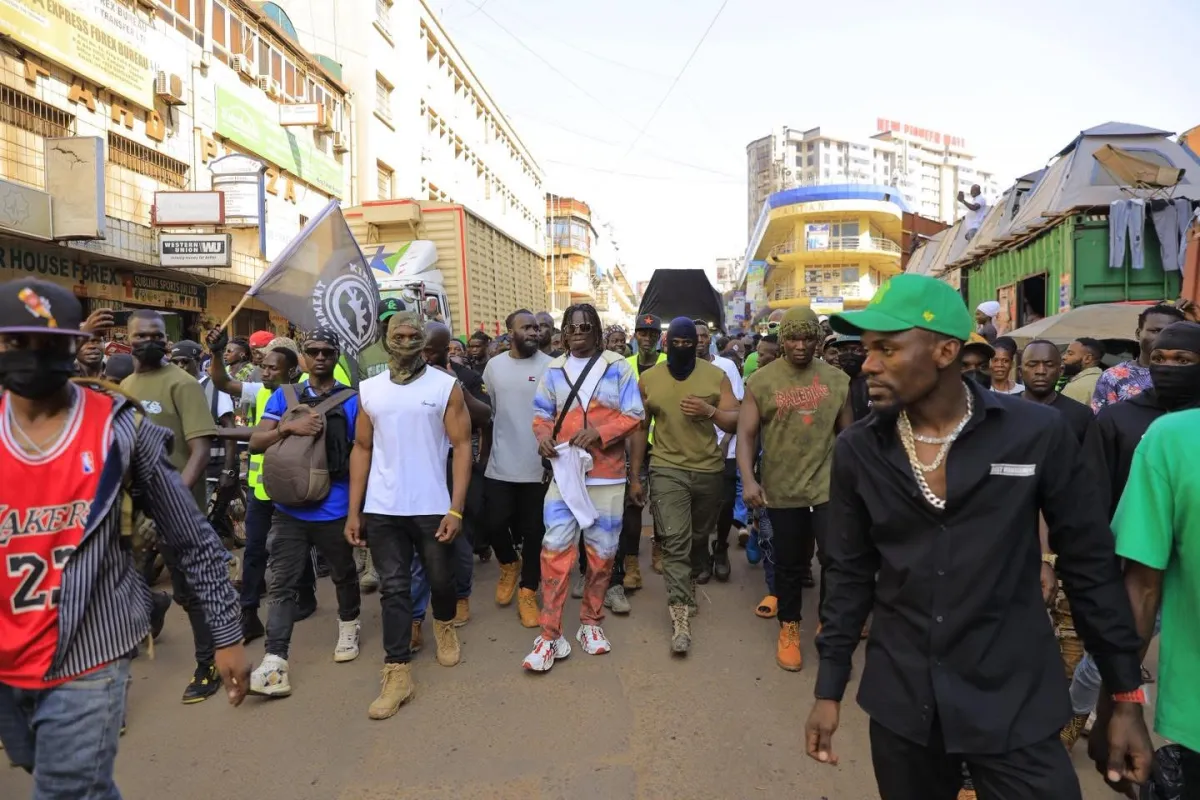
What began as a heated celebrity disagreement has now grown into a full-blown industry concern — and Uganda’s top musicians’ body is officially stepping in.
The Uganda Musicians Association (UMA) has announced plans to mediate the escalating tensions between artists Pallaso and King Saha following a series of public exchanges and alleged violent incidents involving their respective camps.
The intervention signals just how serious the situation has become, with what started as social media drama now raising concerns about safety, professionalism, and industry reputation.
And UMA is drawing a clear line in the sand.
Through its spokesperson Big Eye StarBoss, UMA expressed deep concern over the ongoing conflict, describing it as an escalation that has now moved beyond online exchanges into real-world confrontations involving supporters.
The association strongly condemned any form of violence, threats, or behavior that could endanger lives or disrupt peace within Uganda’s entertainment industry.
“As an association committed to promoting unity, professionalism, and the growth of the music industry in Uganda, we strongly condemn all forms of violence,” UMA stated.

The message was clear — the industry cannot afford to let internal conflicts spiral into dangerous territory.
UMA further urged Pallaso, King Saha, their management teams, and fan bases to avoid inflammatory statements that could worsen tensions.
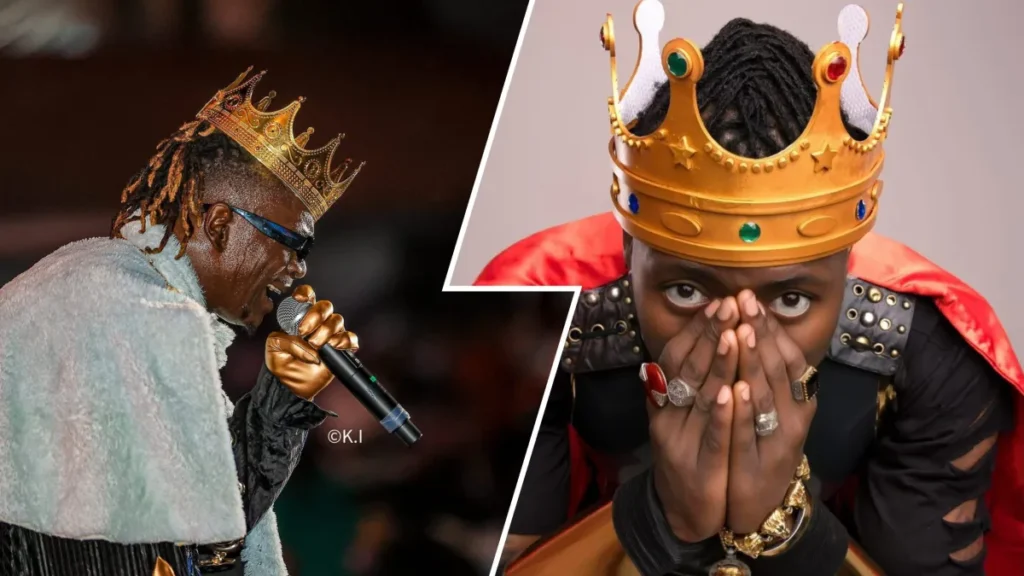
Instead, the association encouraged all parties to pursue structured and peaceful resolution channels.
And then came the key development…
UMA confirmed it is ready and willing to facilitate formal mediation talks aimed at reconciling the two artists for the sake of industry unity and safety.
This move follows a series of incidents reportedly linked to the feud, which has drawn widespread attention across Uganda’s entertainment space.
The tension between Pallaso and King Saha reportedly began after a confrontation at Supremacy Lounge, which quickly escalated into a public dispute involving mutual accusations and heated exchanges.

What initially appeared to be a typical celebrity fallout soon intensified as both artists made claims involving threats and hostility.
The situation escalated further when King Saha alleged that his vehicle was attacked while he was traveling to a performance, claiming individuals linked to Pallaso’s camp were involved.
He also suggested that his life had been threatened — allegations that significantly raised public concern and triggered wider industry reaction.
As the feud grew more intense, calls for intervention from industry stakeholders became increasingly loud.
UMA’s involvement now represents the first formal attempt to de-escalate the situation at an institutional level.
The most widely discussed aspect of the feud remains King Saha’s claims about the alleged vehicle attack, which sparked intense debate across social media platforms.
Those allegations, combined with Pallaso’s earlier statements, fueled a cycle of speculation, reaction posts, and divided fan opinions online.

Entertainment pages quickly amplified the story, turning the dispute into one of the most talked-about music industry conflicts in recent weeks.
UMA’s announcement has now shifted the conversation from confrontation to potential resolution.
The internet, however, remains closely locked in on what happens next.
Online reactions have been mixed, with many fans welcoming UMA’s decision to intervene as a necessary step toward preventing further escalation.
Some users believe mediation could help restore professionalism and prevent long-term damage to both artists’ reputations.
Others are more skeptical, questioning whether reconciliation is possible given how far the feud has already progressed publicly.
A section of fans continues to call for calm and restraint, urging both artists to prioritize safety and avoid further inflammatory statements.

Meanwhile, anticipation is growing around whether Pallaso and King Saha will accept UMA’s mediation offer and appear for formal discussions.
At this stage, no public confirmation has been made by either artist regarding the proposed talks.
Beyond the headlines and industry politics lies a deeper concern — the safety of artists, their teams, and fans caught in the middle of escalating tensions.
What happens between public figures often spills over into communities that look up to them, making de-escalation not just a professional necessity but a social responsibility.
UMA’s intervention highlights the importance of structured conflict resolution in an industry where emotions, reputation, and influence are deeply intertwined.
At its core, the move is about preventing further harm while preserving the unity of Uganda’s music ecosystem.
Ironically, a feud that began as personal disagreement is now being treated as an industry-level crisis — one serious enough to bring Uganda’s musicians’ body into active mediation.
What happens next could set a precedent for how future conflicts are handled.
One thing is clear — UMA has entered the conversation not just to cool tensions, but to prevent escalation. The real test now is whether the artists will step back from the edge and choose dialogue over division.