

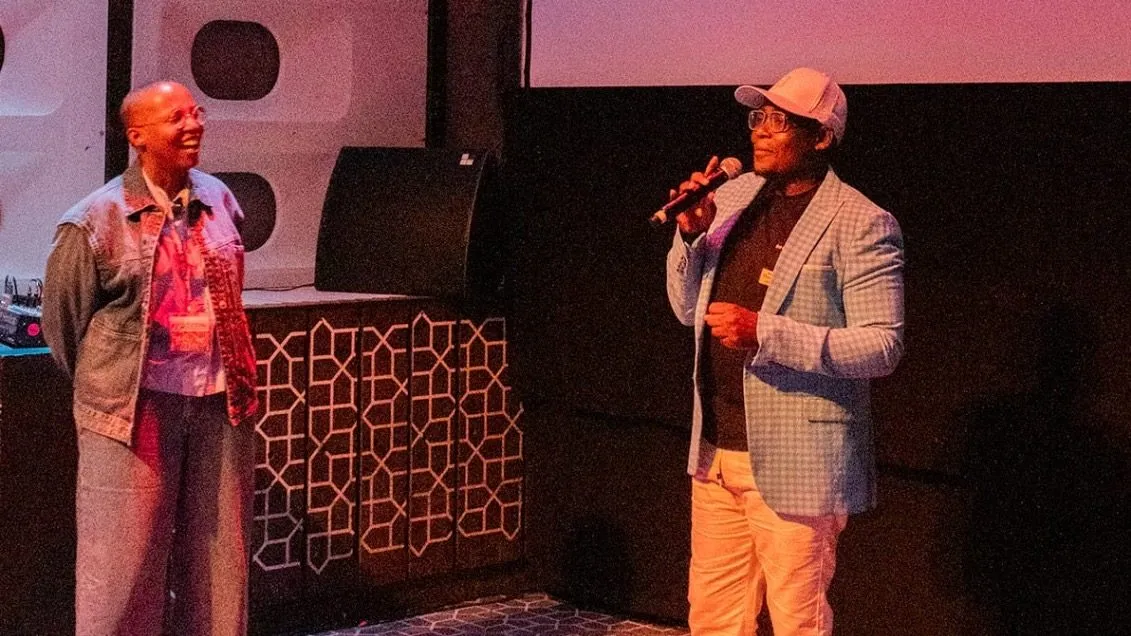
For many Ugandans who grew up watching translated movies (“filimu enjogerere”), the magic wasn’t just in the film itself—it was in the VJ. These talented VJs didn’t simply translate; they added humour, emotion, and local flavour, turning foreign films into stories that felt deeply familiar.
The VJ Phenomenon: More Than Just Translation
Even when a VJ took creative liberties—sometimes going off-script or “watering down” the original storyline—audiences loved it. Characters got local names, plotlines were adapted to Ugandan settings, and catchphrases became trends in their own right.
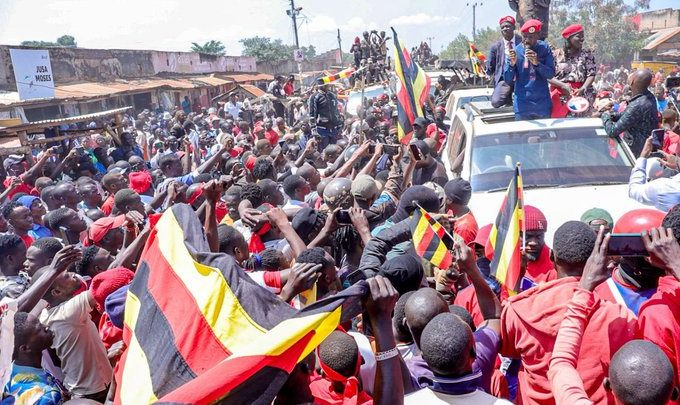
Growing up along Entebbe Road in Kajjansi, I remember the unmistakable booming voice of VJ Jjingo in local movie halls, alongside VJ KK. Watching from a neighbour’s house, we were glued to the screen, often imitating the jokes, delivery, and voices of our favourite VJs. That was the magic of Ugandan dubbed films.
As the scene grew, more VJs entered, dubbing films in multiple local languages. What began as a grassroots entertainment practice evolved into a cultural movement, with some VJs commanding fanbases larger than the films themselves.

Despite critics who labeled dubbed films as “for the illiterate,” the reality is different: many highly literate Ugandans grew up cherishing VJ-led movies, and the demand has only intensified over the years.
From Neighborhood Halls to Subscription Platforms
Today, the legacy of dubbed films has evolved with technology. Fans can now subscribe on platforms and apps—paying about UGX 30,000 per month—to watch their favourite movies dubbed by their preferred VJs. While copyright and licensing debates continue, the cultural and creative value of these dubbed films is undeniable.
VJ Emmy: A Ugandan Icon on the International Stage
In a landmark moment for Uganda’s film culture, VJ Emmy became the subject of a documentary by French director Marion Desmaret, titled Forget the Director, This Is Emmy’s Cut!. The film celebrates Emmy’s artistry, showing how a uniquely Ugandan craft has impacted audiences for decades.
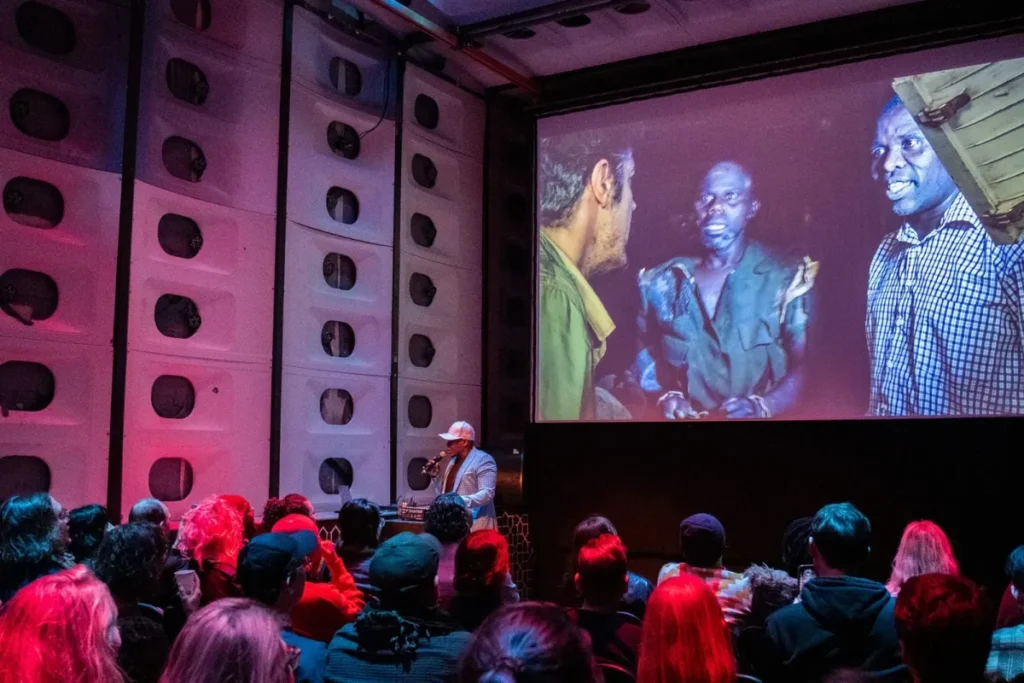
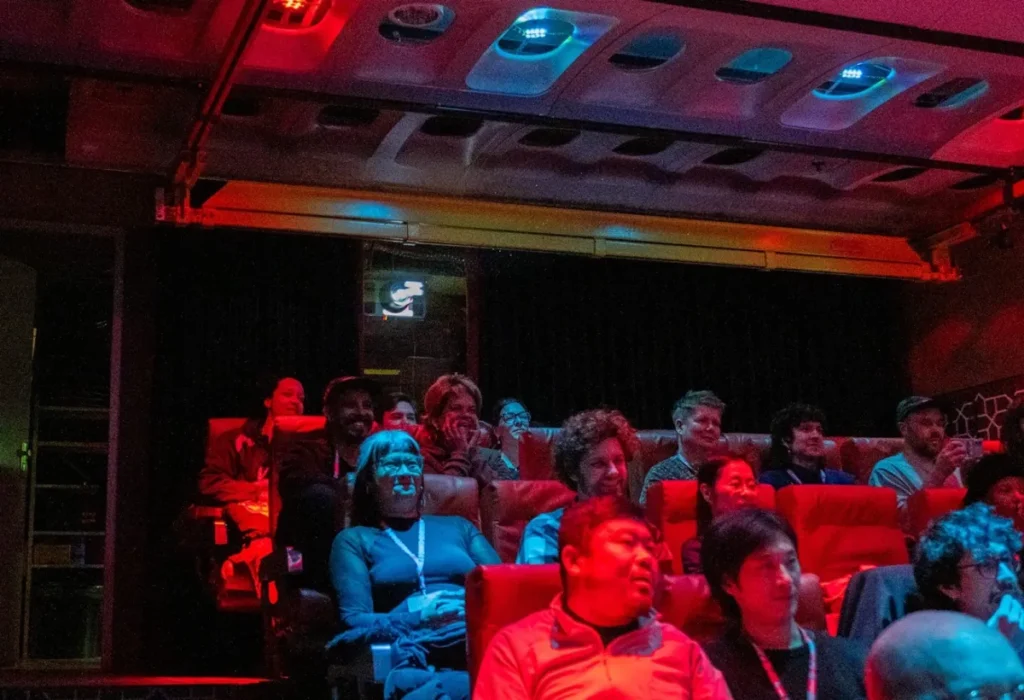
The story doesn’t stop there. VJ Emmy traveled to Rotterdam, Netherlands, to attend the International Film Festival Rotterdam (IFFR), where he conducted a live dubbing session for EATEN ALIVE UGANDA, a new Wakaliwood production by Isaac Nabwana. The world premiere at IFFR marked a historic moment: Ugandan dubbing culture on a global stage.
Why This Matters
VJ Emmy’s international recognition is more than personal acclaim—it’s a celebration of Ugandan creativity. From video halls, living rooms, and neighbourhood gatherings, this art form has grown into a cultural phenomenon that resonates locally and internationally.
It’s a reminder that Uganda’s talent and storytelling abilities are now being recognized worldwide. The days when dubbed films were confined to VHS screens are long gone. Today, Ugandan VJs are setting trends, inspiring artists, and sharing local culture with the globe.
Final Thoughts
From playful imitations in Kajjansi to global festival stages in Rotterdam, the journey of VJs shows the power of local creativity to make an international impact. Emmy’s work, and the recognition it now receives, proves that Uganda’s entertainment culture—born out of innovation, humour, and relatability—deserves global applause.
As audiences worldwide watch Emmy at IFFR, one thing is clear: Ugandan dubbing culture isn’t just entertainment—it’s an art form, and it’s here to stay.
Were you a fan of VJ-dubbed films growing up? Share your favourite moments below and follow Entertainment Page One (E Page One) for more stories celebrating Ugandan creativity!
