

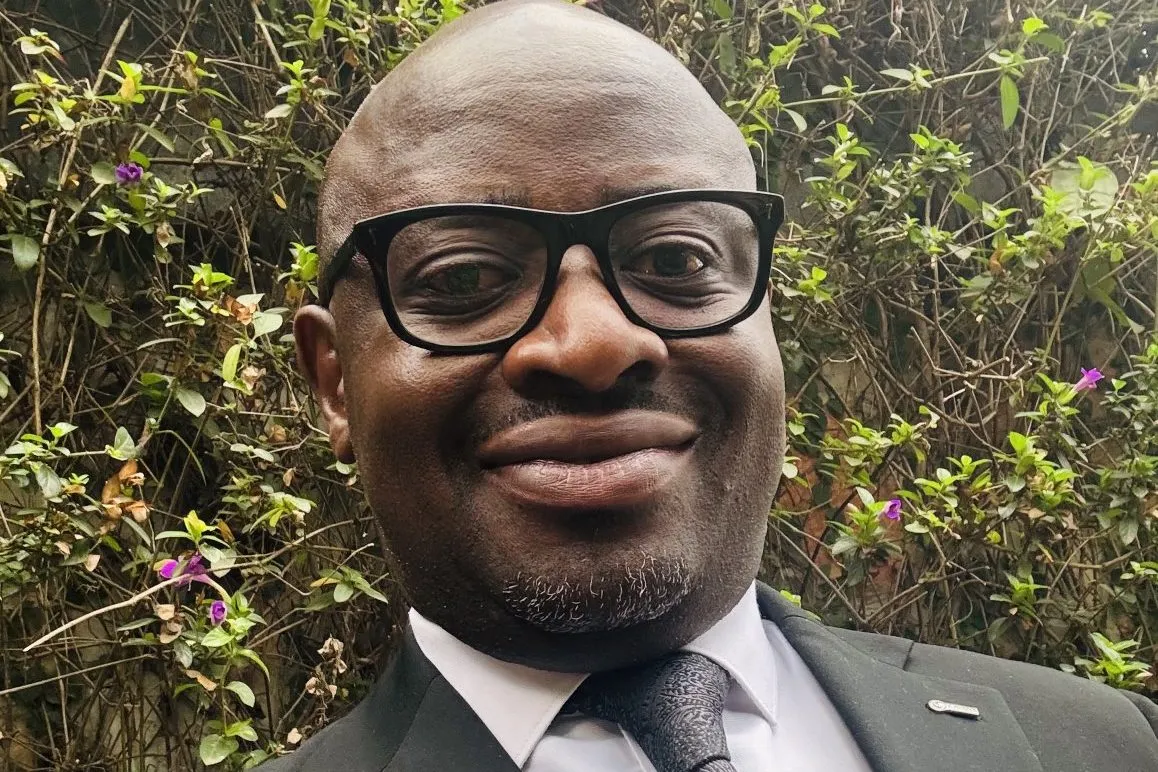
Somewhere on the internet right now, someone is watching a clip of a Ugandan broadcaster ask a guest “Why are you gay?” — and laughing, sharing it, or dropping it into a group chat.
It has been doing that for fourteen years.
The clip became one of Uganda’s most exported cultural moments — a meme that crossed continents, spawned countless remixes, and lodged itself permanently into internet culture. But the man who asked the question has largely let the moment speak for itself.
Until now.
Simon Kaggwa Njala has finally broken down exactly how those four words came to exist — and the origin story is not what most people assumed.
Njala’s account of that day is surprisingly human for a moment that the internet turned into mythology.
He had been booked to interview Pepe Julian Onziema, a prominent transgender rights activist, at a moment when Uganda was in the middle of heated national debate over a controversial anti-gay bill. The stakes of the conversation were real. Njala says he prepared thoroughly.
There was just one problem.

“I had prepared to interview a woman,” Njala explained in his recent reflection on the moment. “But when she came to the show, she claimed to be a man. What I had prepared became distorted.”
In other words, the entire framework of his carefully planned interview collapsed the moment Onziema walked in.
And what happened next, nobody — including Njala himself — had scripted.
“The ‘Why are you gay?’ question was created in that moment,” he said. “It wasn’t part of my script.”
Four unplanned words. Fourteen years of internet life.
What makes the moment even more interesting, according to Njala, is that he believes the question has stayed alive precisely because it was never answered. Onziema did not directly respond to it during the interview, and Njala says that unanswered quality is exactly what kept the clip circulating.
“I think the reason why that question is still trending is because it has never got an answer,” he said. “It’s now 14 years, and she has never replied to it — but hopefully one day she will.”
He did add, with what sounds like genuine relief, that the moment has softened considerably over time. “I’m happy that the question is no longer taken seriously. It turned out to be a joke that people often use.”

The interview took place at a politically charged moment in Uganda’s history. The country was actively debating legislation targeting LGBTQ+ individuals, and media coverage of queer activists was rare, often uncomfortable, and frequently sensationalised.
Pepe Julian Onziema was — and remains — one of Uganda’s most visible LGBTQ+ rights advocates, widely recognised for speaking publicly about transgender identity and human rights at significant personal risk.
Simon Kaggwa Njala is a respected Ugandan media personality with a long broadcasting career. In Uganda’s entertainment and journalism circles, he is regarded as a serious professional — which is part of what made the clip’s evolution into global meme territory such an unlikely journey for someone of his professional background.
The interview was never meant to be comedy. It was a serious political conversation that, in one unscripted moment, became something else entirely.
“Why are you gay?” didn’t go viral immediately — it built slowly, then exploded.
As internet culture evolved and meme formats became a global language, the clip found new audiences far beyond Uganda. It was remixed, dubbed, auto-tuned, and inserted into reaction compilations across YouTube, Twitter, TikTok, and beyond.
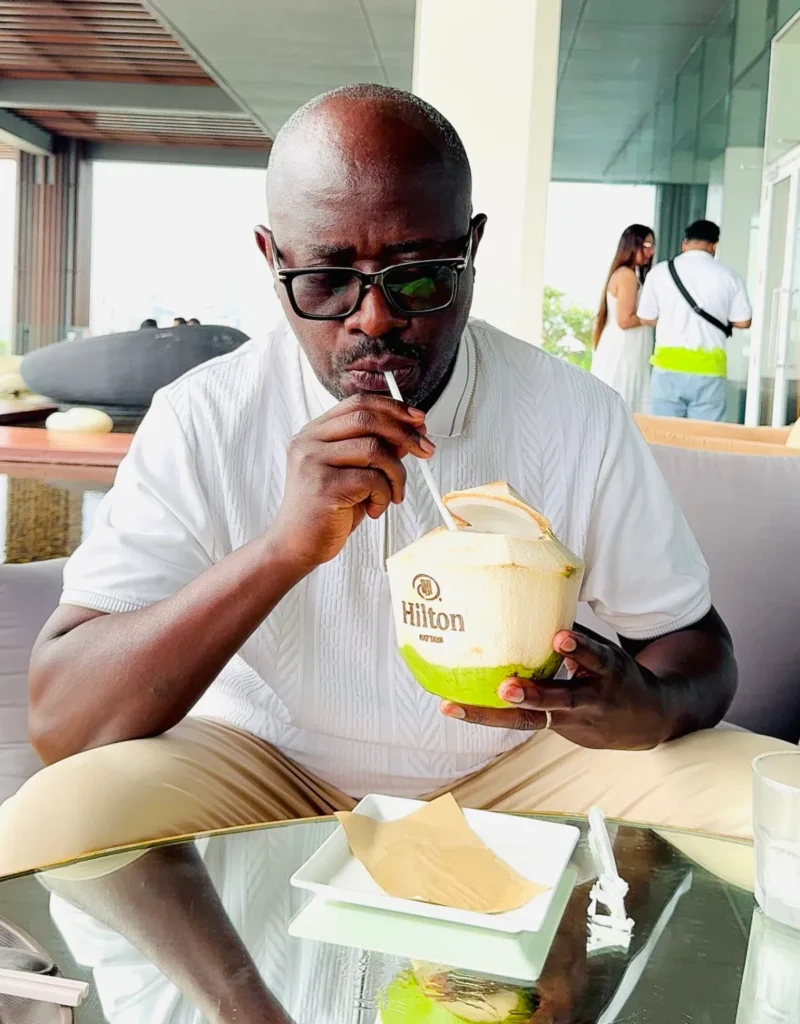
Fans immediately noticed something about the clip that made it endlessly shareable — the deadpan delivery, the unanswered pause, the sheer unexpectedness of the question in an otherwise serious setting.
The internet had thoughts, and it expressed them loudly across fourteen years of continuous circulation. The clip became a shorthand — a go-to reaction format that transcended its original context completely.

Within the world of Ugandan internet culture, it remains one of the most recognisable exports the country has ever produced, however unintentionally.
Njala’s recent comments have reignited conversation around the clip in a more reflective tone than usual.
Many longtime followers of the story have expressed appreciation for hearing the broadcaster’s own account — particularly the detail about preparing for a different interview entirely. Some fans believe the explanation adds genuine context to a moment that has often been stripped of it through years of meme circulation.
Others on social media have noted the irony: a question born out of confusion and professional unpreparedness became one of the most recognisable interview moments in African broadcasting history.
It’s unclear whether Pepe Julian Onziema will respond to Njala’s renewed invitation to finally answer the question. Sources close to Ugandan media suggest that at this point, the silence itself has become part of the story.
Some followers of the exchange have speculated, lightly, that Onziema’s non-answer was itself a deliberate choice — and that waiting fourteen years to respond is, in its own way, a very effective one.
There is something quietly honest about Njala’s account.
He does not position himself as a villain or a hero of the story. He describes a broadcaster who prepared carefully, got caught off guard, said something unplanned, and has spent over a decade watching that moment take on a life he never anticipated.

Most people who have ever been in a professional situation that went sideways — asked the wrong question in a meeting, sent the wrong message, froze at the wrong moment — will recognise something in that description.
The difference, of course, is that Njala’s moment became a meme that half the internet knows by heart.
Simon Kaggwa Njala prepared thoroughly for one interview. The guest arrived and changed everything. He improvised four words.
Those four words are still being shared today.
There is an entire masterclass in media, human unpredictability, and internet culture buried inside that story — and it started because a broadcaster’s notes no longer matched the person sitting across from him.
Fourteen years, zero direct answers, and one question that refuses to stop circulating. If Pepe Julian Onziema ever does reply — the internet will not be ready. Will they ever be?