

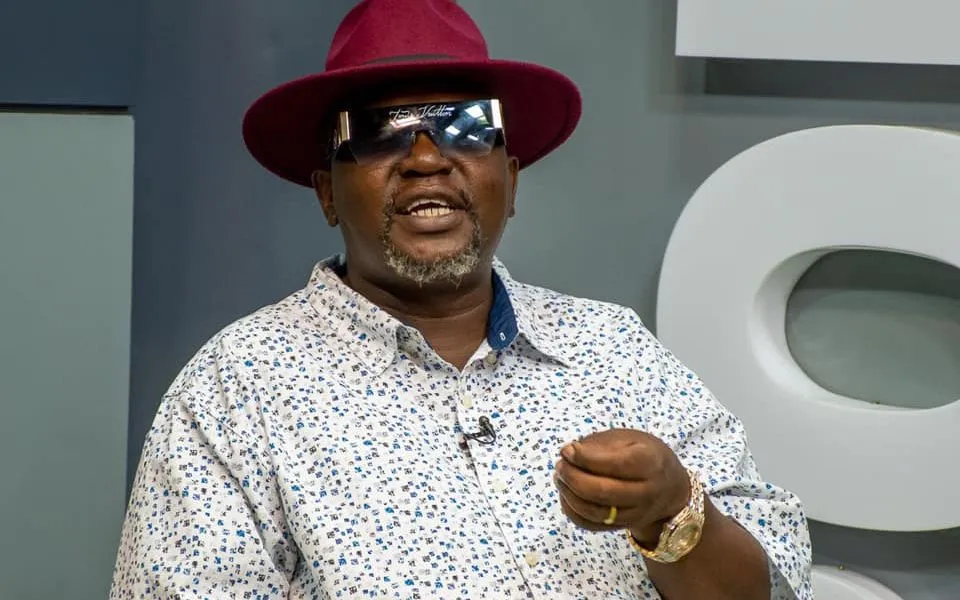
A funeral was supposed to be a moment of unity. Instead, it cracked open one of the most uncomfortable conversations in Uganda’s music industry — and now Ragga Dee is speaking, and his words carry a quiet warning that should shake every upcoming artist paying attention.
The burial of the late Master Parrot in Kamengo, Butembe, Mpigi District, was already an emotional occasion. But when accusations flew from the podium — claiming that veteran musicians had abandoned Master Parrot in his darkest hours — something snapped.
Mesach Semakula, one of Uganda’s most celebrated voices, pushed back. Hard.
And Ragga Dee watched it all unfold. Now he’s talking — and what he’s saying about the future of musician solidarity in Uganda is not comfortable reading.
Ragga Dee, born Daniel Kazibwe, didn’t mince his words when he reflected on what happened at Master Parrot’s burial.
“The aggressiveness and bitterness that Mesach Semakula expressed at the burial made me feel like he may not help another struggling musician again,” he said plainly.

Then he went further.
“In fact, I might end up taking the same direction.”
That line alone stopped people cold. Because when Ragga Dee — one of Uganda’s most recognizable and long-standing entertainers — says he’s considering withdrawing his support from struggling artists, it signals something has shifted. Not just for him personally, but potentially for an entire generation of veteran musicians who give behind the scenes and receive public blame in return.
His frustration was pointed directly at the narrative that surfaced at the burial — the suggestion that established musicians had turned their backs on Master Parrot when he needed them most.
Ragga Dee’s position was clear: that story simply wasn’t true. And hearing it delivered publicly, from a microphone, at a funeral, while artists who had actually helped were sitting in the crowd — that, he said, was too much.
But that’s not even the wildest part. He didn’t just push back on the specific incident — he reframed the entire stakes.

He warned that false accusations and unverified narratives risk pushing away the very people who are quietly doing the work — the artists, elders, and supporters who show up without cameras and contribute without credit. Lose those people, and struggling musicians lose their most reliable safety net.
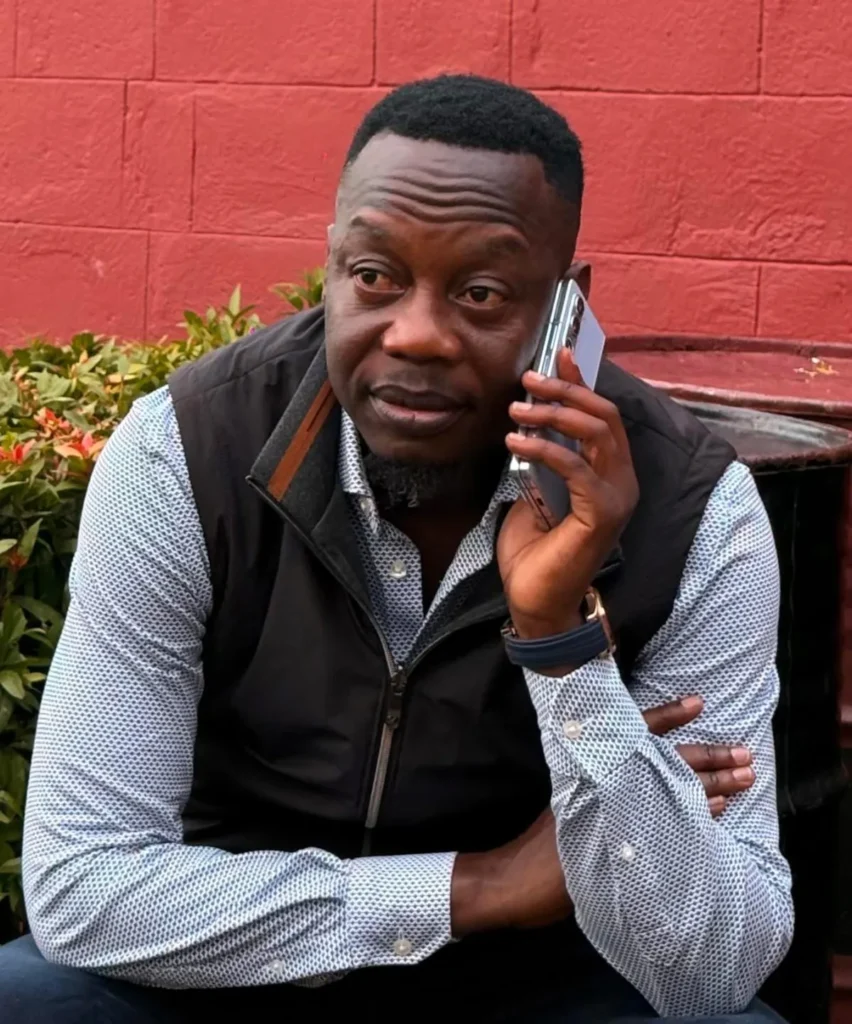
For those catching up — Master Parrot was a Ugandan musician whose passing prompted an outpouring of grief from the local entertainment community. His burial in Kamengo, Mpigi District, drew fellow artists, fans, and industry figures who came to pay their respects.
Denis Lanek, however, used the occasion to voice a sharp accusation — that veteran musicians had failed to stand by Master Parrot during the difficult period before his death. The remarks landed like a spark in dry grass.
Mesach Semakula, a household name in Ugandan music and one of the country’s most respected veteran performers, responded with visible emotion — and by several accounts, with considerable heat. His reaction at the burial became the moment people couldn’t stop talking about.
Ragga Dee, who has been a prominent figure in Ugandan entertainment for decades, weighed in shortly after — not to pour fuel on the fire, but to articulate what that moment represented and why it matters beyond the drama of a single afternoon.
The burial remarks spread fast across WhatsApp groups, Facebook pages, and entertainment blogs almost immediately after the event. Fans immediately noticed the unusual tension of grieving artists being publicly accused of neglect at the very funeral where they had shown up to mourn.

Semakula’s emotional response became the clip people were sharing and debating. Then Ragga Dee’s follow-up remarks added a second wave — particularly the line about potentially withdrawing his own support from struggling musicians going forward.
That quote hit differently. Within hours, it had become the center of the conversation, pulling in reactions from music lovers, fellow artists, and commentators across Uganda’s entertainment scene.
The public was divided — and both sides argued with conviction.
Many sympathized with Semakula and Ragga Dee, agreeing that publicly shaming artists at a funeral — without verified facts — was both unfair and counterproductive. Some fans went further, suggesting Denis Lanek’s comments, however well-intentioned, risked doing lasting damage to the culture of informal support that sustains many Ugandan musicians outside the spotlight.
Others, however, felt the accusations reflected a real and long-standing frustration within the industry — that veteran artists are celebrated publicly but sometimes absent privately when colleagues fall on hard times.
It’s unclear exactly what support was or wasn’t given to Master Parrot before his passing. But some observers believe this moment may force a much-needed honest conversation about how Uganda’s music industry actually takes care of its own.

Behind the pointed words and public back-and-forth is something quieter and more painful — a community of artists grappling with how to grieve together while also protecting their reputations and their willingness to give.
Ragga Dee’s warning wasn’t delivered with anger. It was delivered with the weariness of someone who has been in the industry long enough to understand what happens when goodwill gets punished instead of appreciated. If the people who help quietly start to step back, the artists who come after — the ones who will one day need exactly that kind of behind-the-scenes support — are the ones who suffer most.
That is the part of this story that goes beyond the beef.
Here is the brutal irony that nobody at that burial planned for: the people being accused of doing nothing were sitting in the crowd at the funeral — which means they showed up. Whether or not they did enough before that day is a conversation worth having. But having it from a microphone, over a casket, without facts, may have cost the next struggling Ugandan musician more than anyone realizes yet.
Ragga Dee said what a lot of veterans were probably thinking but not saying out loud. The real question now is — who’s going to step up for the next Master Parrot, and will there still be anyone left willing to answer that call?