

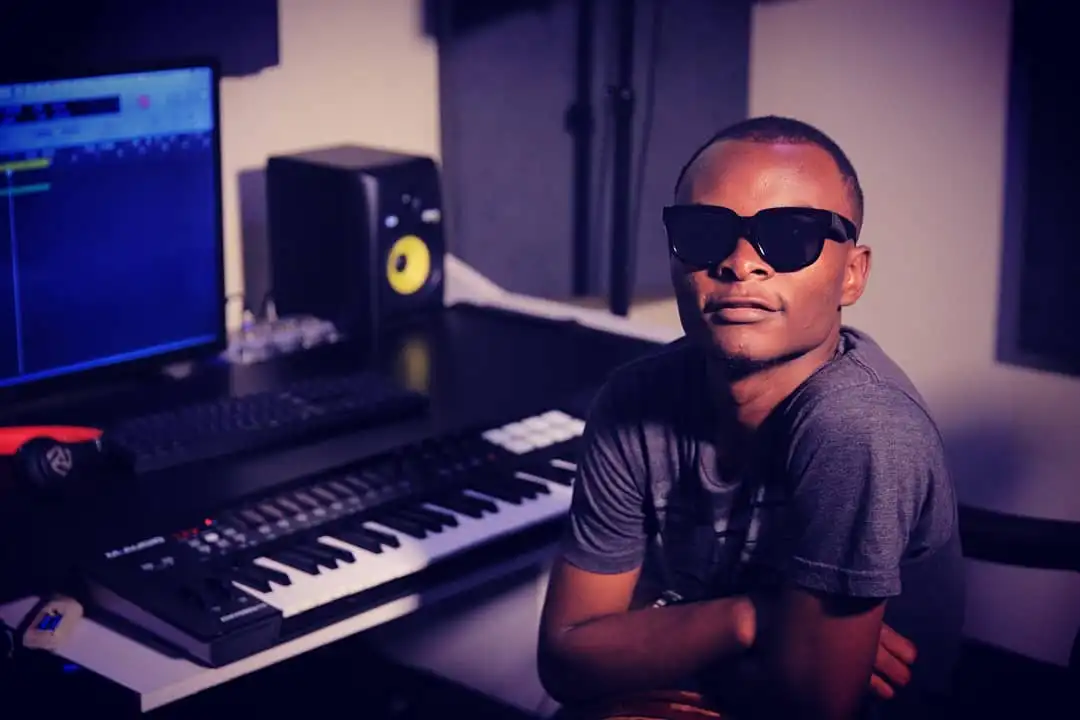
Most people see the finished song. Martin Musoke — known professionally as Artin Pro — sees everything that happens before it gets there.
As a producer who has worked across Uganda’s music industry for years, he occupies a position that few others do: close enough to artists to witness their most unguarded moments, and experienced enough to recognise patterns in what he sees. In a recent interview with MBU, he spoke openly about the mental health struggles he has encountered among creatives — and what he believes it actually takes to come through them.
Artin Pro did not reach for generalities. He described specific, recurring scenes from inside the studio.
“As a producer, I get to see, meet, and interact with all kinds of mental states. Some are always happy, while others break down in the studio because they’re deeply attached to their craft and art.”

The reasons behind those breakdowns, he explained, tend to cluster around the same themes. Artists who pour everything into their music and still cannot earn a sustainable living from it. Creatives who feel mistreated by management and have nowhere safe to process it. Others ground down by the relentless pressure of online trolling from the very fans they make music for.
“At the end of the day, many tell you they don’t reap from their art. Some share challenges with management, while others speak about being trolled by fans on the internet.”
What makes his account particularly striking is the intimacy of the setting. The studio is not a therapy room — but for many artists, it becomes one. The trust placed in a producer who witnesses those moments is significant, and Artin Pro appears to take that responsibility seriously.
His advice to those going through difficult periods is grounded rather than motivational in the polished, performative sense.

“When you’re facing such moments, stay positive because no one imagined you would come this far. Everything comes back to you. No one is going to save you.”
He extended that same thinking to conversations he has had with people dealing with addiction, noting that in his experience, the turning point consistently comes from within.
“I’ve spoken to many addicts, and most of them testify that choosing to change had to come from within.”
It is a perspective shaped by observation rather than theory — and it carries a different weight because of that.

Artin Pro has built his reputation over years of consistent work in Uganda’s creative industry, producing across genres and collaborating with a wide range of artists. That breadth of experience gives him an unusual view of the industry — not just its sounds, but its people and the pressures they navigate daily.
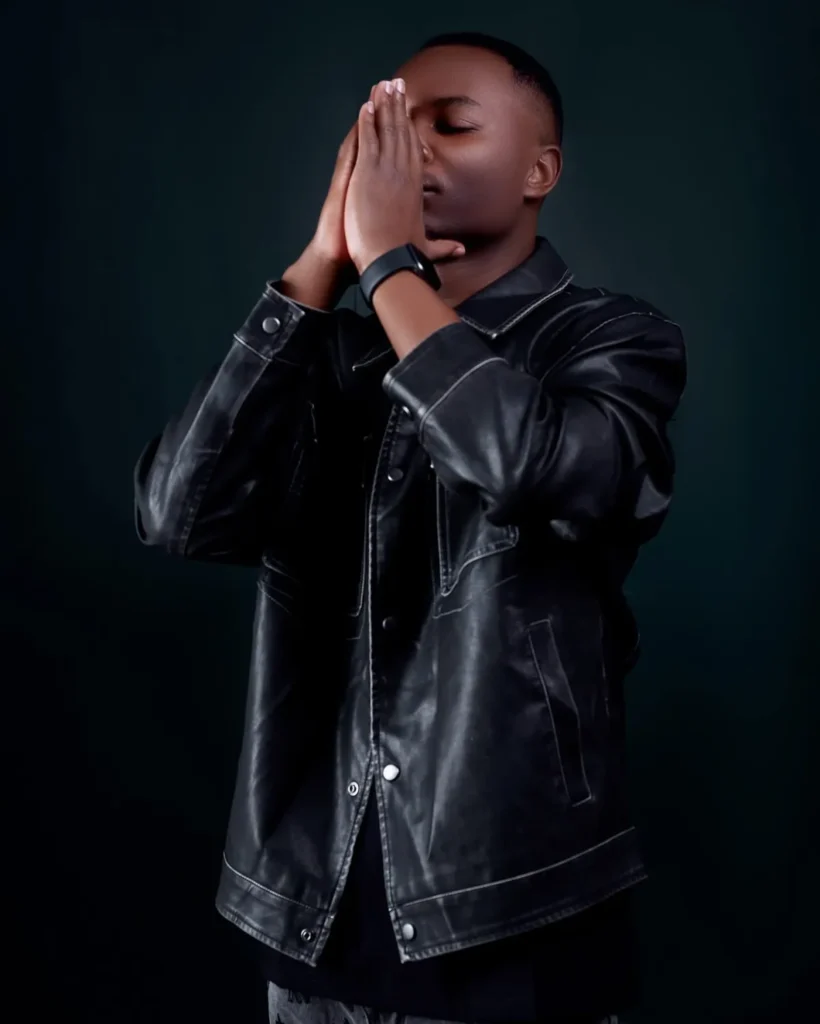
Mental health in creative industries remains an underdiscussed subject across much of East Africa, where the public image of an artist is often expected to be aspirational and untroubled. The reality that Artin Pro describes — breakdowns, financial anxiety, management conflicts, online abuse — sits far from that image, and his willingness to name it plainly is notable.
He also used the interview to touch on professional values more broadly, observing that people who treat employment opportunities carelessly rarely consider how many others are waiting for exactly that chance.
“When you see someone playing with a job, just remember there’s an unemployed sibling out there who would gladly take that opportunity and fix whatever isn’t going right.”

The mental health of Uganda’s creatives is not a niche concern. It sits at the intersection of financial precarity, public scrutiny, industry exploitation, and the particular vulnerability that comes from building a career around something as personal as art.
When someone with Artin Pro’s level of access to that world speaks about what he has seen, it adds texture and credibility to a conversation that often stays abstract. He is not speaking from a distance. He is describing people he has sat across from, in rooms where the recording light is on and the guards are down.
His comments also arrived alongside a note of cautious optimism. Artin Pro welcomed the enactment of Uganda’s Copyright and Neighbouring Rights Amendment Act, describing it as a meaningful step forward for the creative industry. He expressed hope that the new law will allow artists and creatives to earn more fairly from their work going forward — addressing, at least in part, one of the core financial frustrations he described.
There is a particular kind of loneliness in being an artist who gives everything to a craft and still cannot make it pay. Artin Pro does not romanticise that reality — he names it, sits with it, and then offers the only honest answer he has found.
No one is coming to save you. But you have already come further than anyone expected. And that, he suggests, is where the will to keep going has to come from.
Artin Pro is not offering easy answers — because he has seen enough to know there are none.
What he is offering is something rarer: an honest account of what the music industry costs its people, and a quiet insistence that the strength to survive it has to be found from within.