

A heated debate has erupted in Uganda’s music industry after award-winning singer Eddy Kenzo publicly criticized the Uganda Performing Rights Society (UPRS) over its planned Shs216 million royalty distribution.
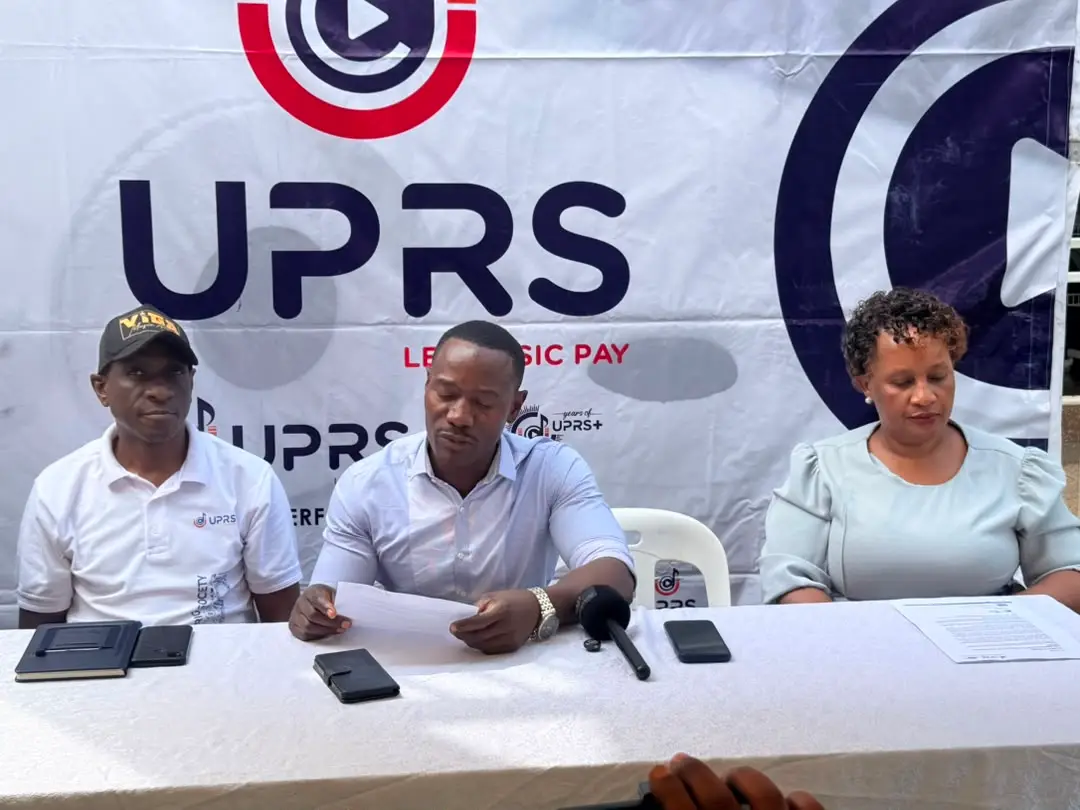
Now, UPRS Chairman Martin Nkoyoyo has responded, defending the payout and insisting it represents a step forward in building a more sustainable copyright system for Ugandan creatives.
The disagreement has sparked wider conversations about transparency, fairness, and the real earnings of musicians in Uganda’s entertainment industry.
While Kenzo described the figures as disappointing, UPRS is standing firm on its position.
But the statement goes deeper than just numbers…
Eddy Kenzo Questions Shs216M Royalty Distribution
The controversy began during a UNMF press briefing, where Eddy Kenzo openly criticized UPRS over its planned royalty payout.
Kenzo argued that the Shs216 million figure was too small to make a meaningful impact for musicians across the country.
He described the situation as “a shame,” questioning how the money was collected and how it would be distributed among artists.

According to him, the numbers raised serious concerns about transparency and fairness in the system.
Kenzo also suggested that if the amount is shared among all eligible musicians, individual payouts would be negligible.
His comments quickly sparked debate within the industry.
And then things got even more intense…
UPRS Issues Formal Response
In a detailed statement, UPRS Chairman Martin Nkoyoyo acknowledged the concerns raised by Kenzo and other stakeholders.
He admitted that the current royalty amounts remain below the expectations of many creators.
“Every musician, composer, publisher, and rights holder deserves to earn more from the use of their works,” the statement noted.
However, UPRS emphasized that the Shs216 million should not be viewed as an end result, but rather as part of a broader journey toward strengthening Uganda’s copyright economy.

The organization explained that the low figures are largely due to challenges in enforcement and licensing compliance within the industry.

Why The Royalty Figures Remain Low
According to UPRS, many music users in Uganda still operate without proper licensing, which significantly affects total collections.
The society highlighted long-standing issues such as weak enforcement mechanisms and low compliance levels among music users.
Despite these challenges, UPRS said every increment in collections reflects progress in improving respect for creators’ rights.
The organization stressed that strengthening the system is key to increasing future earnings for artists.
How Royalties Are Distributed
UPRS also clarified how royalty payments are calculated and distributed.
The organization explained that royalties are not shared equally among all musicians.
Instead, distribution is based on usage data, repertoire information, and established policies approved by governance structures.

This means artists earn based on how frequently their music is used and documented.
As a result, some members may receive small amounts, while others may earn significantly more depending on airplay and usage.
The system is designed to ensure proportional compensation rather than equal distribution.
UPRS Calls For Industry Support
In its statement, UPRS called on stakeholders in the music industry to support efforts aimed at strengthening copyright protection in Uganda.
The organization emphasized that improving compliance and expanding licensing coverage remains the most effective way to increase earnings for creators.
UPRS also reiterated its commitment to transparency in both collection and distribution processes.
The society encouraged continued engagement and constructive scrutiny from artists and industry stakeholders.
A Growing Industry Debate
The exchange between Eddy Kenzo and UPRS has reignited a long-standing debate in Uganda’s music industry.

At the center of the discussion is how artists are compensated and whether current systems reflect the true value of their work.
While some artists side with Kenzo’s concerns, others acknowledge the structural challenges highlighted by UPRS.
The internet had thoughts, and the conversation continues to grow across industry circles and social platforms.
The dispute over Shs216 million in royalties has exposed deeper questions about Uganda’s music economy.
Eddy Kenzo is calling for greater transparency and higher payouts.
UPRS insists the system is improving and needs collective support to grow.
One issue.
Two perspectives.
And a music industry still searching for the balance between fairness, structure, and sustainability.