

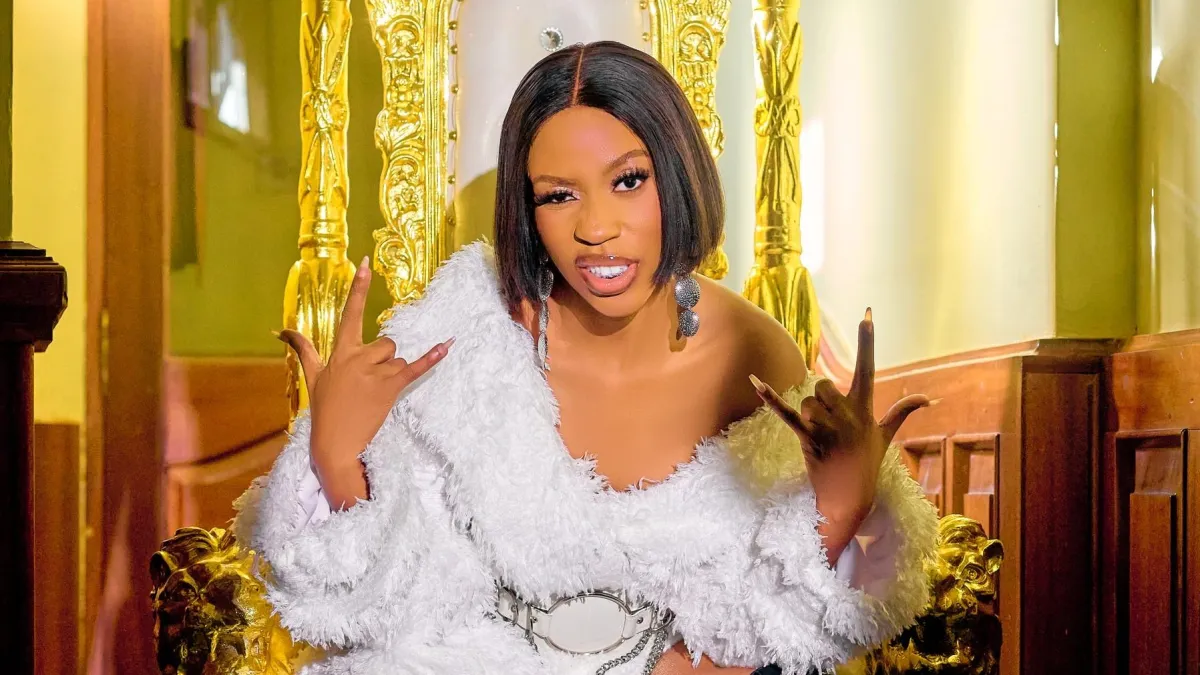
For many fans, Vinka is known as one of Uganda’s biggest female music stars, but before stepping into the spotlight, she spent years working behind the scenes. Now, the Swangz Avenue singer says that chapter of her life is one she has no desire to revisit.
Speaking during a recent interview, Vinka admitted she is no longer interested in managing artists, saying the job demands enormous emotional investment while offering little guarantee that those efforts will be appreciated. Her remarks also revisited her well-known history as Irene Ntale‘s former manager before launching her own successful music career.
The candid reflection offered fans a rare glimpse into the challenges she experienced long before becoming one of Uganda’s leading performers.
Vinka explained that managing an artist is far more complicated than many people realize.

Drawing from her own experience, she said being responsible for another person’s career comes with significant pressure, constant sacrifices, and emotional demands that often go unnoticed.
According to the singer, one of the biggest challenges is the imbalance that can develop between the manager and the artist.

“The other person might think they are just helping you,” she said.
Her comments suggest that despite the countless hours and dedication managers invest, their efforts are not always recognized or understood by the artists they support.
Rather than describing the role as rewarding, Vinka painted a picture of a profession that can easily become frustrating when expectations differ.
The singer’s remarks were rooted in her own experience managing Irene Ntale before eventually pursuing a recording career herself.
That period helped shape her understanding of the music business from both sides—first behind the scenes and later as the artist on stage.
Although she no longer wants to return to artist management, Vinka made it clear there is no bitterness when it comes to her former working relationship with Irene Ntale.


During the interview, she was asked whether she would be happy to see Ntale attend her upcoming concert.
Her response was calm and welcoming.
“That would be nice for her,” Vinka said.
However, she clarified that she would not be extending a personal invitation specifically to her former artist.
Instead, she emphasized that everyone is invited.
“I won’t invite her individually, but I’ll invite all my fans to attend. Everyone is welcome.”

The statement signals that the concert invitation is universal rather than directed at any one individual.
Before becoming the hitmaker behind songs that established her as one of Uganda’s top female performers, Vinka worked at Swangz Avenue in various capacities, including artist management.
One of the artists she managed was Irene Ntale, who rose to prominence during her time at the record label.
Eventually, Vinka transitioned from working behind the scenes to pursuing her own career as a recording artist.

That move proved to be a turning point, transforming her into one of Uganda’s most recognizable female entertainers.
Her experience in both roles gives her a unique perspective on the music industry, allowing her to understand the demands placed on both artists and the people who manage them.

Why It Matters
Vinka’s comments offer insight into an often overlooked side of the entertainment business.
While audiences typically focus on the artists they see on stage, managers play a significant role in planning careers, organizing opportunities, and supporting talent behind the scenes.
Her reflections highlight the emotional challenges that can come with that responsibility and underscore why not everyone chooses to remain in management, even after gaining valuable experience.
For aspiring artists and industry professionals, her perspective serves as a reminder that success in music depends on teamwork—and that those working behind the scenes often face pressures that the public rarely sees.

Human Angle
Vinka’s journey from artist manager to chart-topping performer gives added weight to her remarks.
Having experienced both sides of the music business, she understands the expectations placed on managers as well as the demands artists face every day.
Even as she distances herself from artist management, she spoke respectfully about her past and made it clear that her upcoming concert is open to anyone who wants to celebrate her music—including Irene Ntale, should she choose to attend.
Vinka may have closed the chapter on artist management, but the lessons she learned behind the scenes continue to shape how she views the music industry today.