

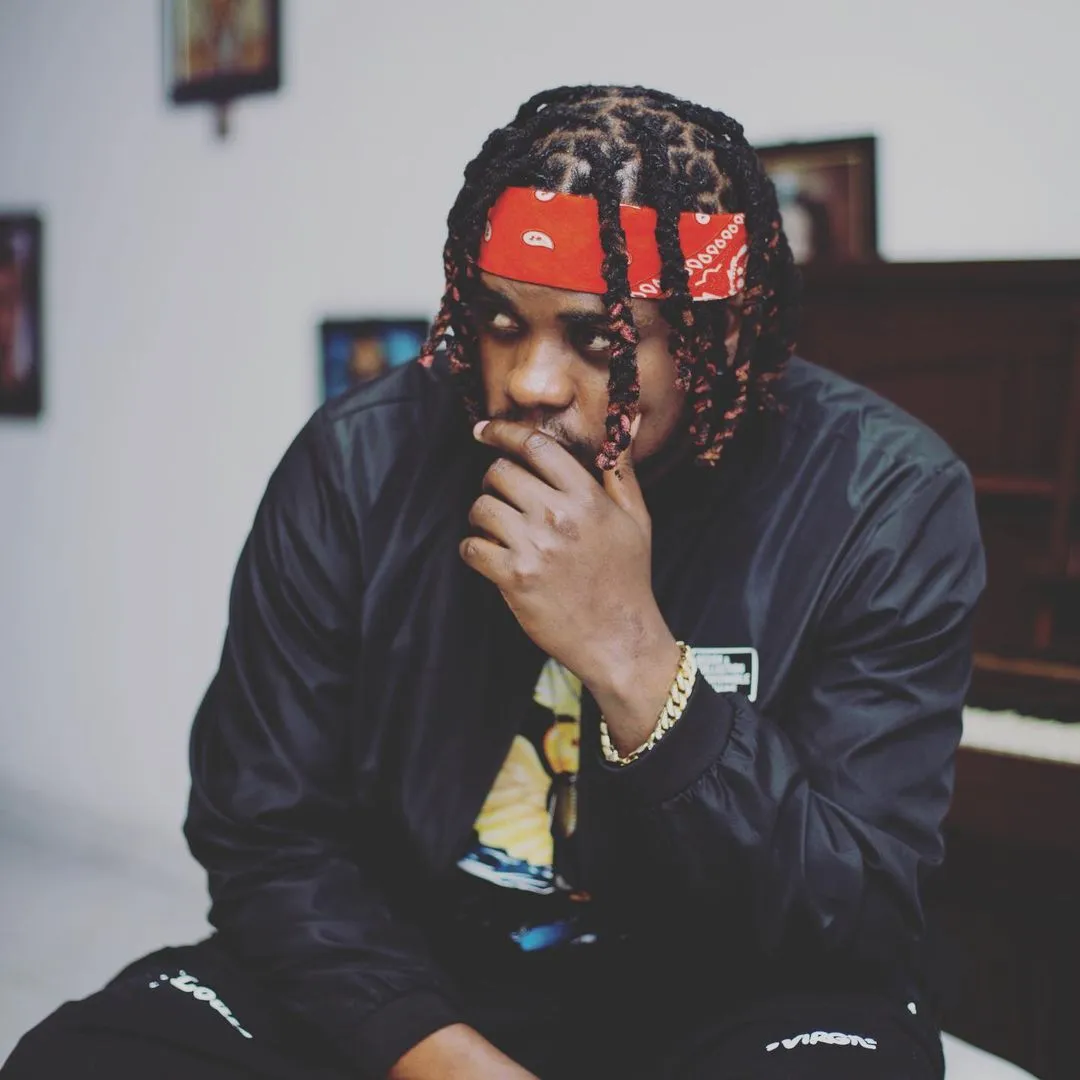
Ugandan rapper Big Tril has explained why he stopped attending Pastor Robert Kayanja’s Miracle Center Cathedral in 2012, recalling a Christmas service that left him questioning whether churchgoers were receiving different treatment based on how much money they contributed.
Big Tril shared the account during a TikTok Live as Uganda’s debate about pastors, miracle claims and church accountability continues following comments by social commentator Frank Gashumba.

The rapper said he began attending Miracle Center Cathedral as a teenager but eventually walked away after an experience involving offertory contributions and prayers for people carrying white envelopes.
According to Big Tril, his final visit came in 2012, when a friend who worked at the church as a drummer invited him to attend a Christmas service.

At the time, Big Tril said he had recently moved within Rubaga and had spent most of his available money preparing for Christmas. He therefore arrived at church with just Shs 2,000.
“The last time I went to Miracle Center was 2012. I had shifted from Rubaga near the church to Rubaga, and a friend of mine called me to go there with him for Christmas. But I was broke since I had spent most of the money on Christmas preparations, so I went there with only Shs 2,000,” he recounted.

Big Tril said he contributed the money during the offertory collection. However, he alleged that the service took a different turn when Pastor Kayanja called people carrying white envelopes to come forward for special prayers.
Wanting to understand what was happening, the rapper said he asked his friend about the envelopes. According to his account, the friend explained that they contained contributions of approximately Shs 100,000, Shs 500,000 or more.
Big Tril further alleged that those carrying the envelopes went to the front, placed them in a duffel bag and handed over their contributions before the money was taken to the back. He said Pastor Kayanja then prayed specifically for the people who had brought the envelopes.
For the rapper, the experience raised questions about the relationship between giving money and receiving prayers in church.

“I said to myself, ‘This nonsense, because you don’t get to get a special prayer because you have given more money than me in church.’ I have never gone back to Miracle Center since then,” Big Tril said.
His account is a personal recollection of the 2012 service. The information provided does not establish whether the church or Pastor Kayanja has responded to his allegations, or whether the envelopes were formally designated for special prayers.
The remarks add another personal account to Uganda’s wider discussion about church fundraising practices, miracle claims and accountability. For Big Tril, however, the experience was enough to end his visits to Miracle Center Cathedral.