


Ugandan singer Eddy Kenzo has ranked Uganda as Africa’s third-leading music industry, placing it behind Nigeria and South Africa while also acknowledging the influence of the Democratic Republic of Congo (DR Congo).
Speaking to Galaxy TV, the Big Talent Entertainment boss defended Uganda’s musical identity against criticism that the country lacks a distinctive sound. He argued that Uganda’s strength lies in the variety of styles its artists produce, drawing from traditional culture and contemporary music.
Kenzo explained that Ugandan music cannot be reduced to a single genre because the country has multiple musical traditions, including cultural music and sounds associated with instruments such as the adungu.

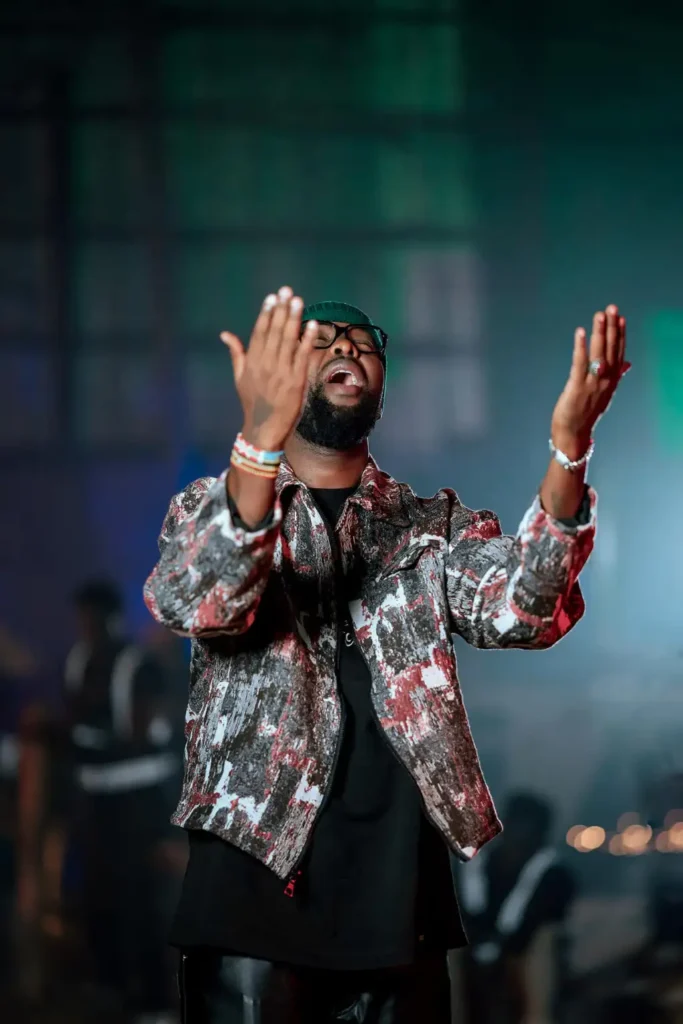
“We have many, we have cultural, adungus and all that… we have almost everything, and that’s our sound,” he said.
“It’s a matter of anybody doing whatever they feel like they want to do.”
His argument challenges the idea that a country’s music must follow one recognisable formula to establish a strong identity. For Kenzo, Uganda’s diversity is itself a defining characteristic, allowing artists to explore different sounds while remaining part of the same music industry.

The singer also pointed to his Mbilo Mbilo Remix, featuring Nigerian singer Niniola, as an example of how musical styles can cross borders and influence audiences beyond their countries of origin.
Kenzo used Nigeria’s evolving sound as another illustration of how music industries develop over time. He argued that Nigerian artists had moved away from some of their earlier musical approaches towards simpler beats and melodic Afrobeats, including sounds influenced by zouk.
“They moved away from their old sound and started doing the simple beats and melodic Afrobeats, the kind of zouk,” Kenzo said.
He added that the shift had affected artists across Nigeria’s music scene, although he suggested that people might be reluctant to accept his interpretation of the change.

Kenzo’s comments come amid ongoing discussions about Uganda’s position in Africa’s competitive music landscape and whether its artists have developed a sound that is immediately recognisable internationally.
By placing Uganda third behind Nigeria and South Africa, the singer offered his assessment of the continent’s leading music industries. However, the ranking was presented as his personal view, rather than the result of a formal industry study or published ranking.

His broader message was that Uganda does not need to rely on one dominant genre to establish its musical identity. Instead, he believes the country’s cultural roots, traditional instruments and modern influences collectively define its sound.
For Kenzo, Uganda’s musical strength lies not in sounding like everyone else, but in giving its artists room to create in different ways.