

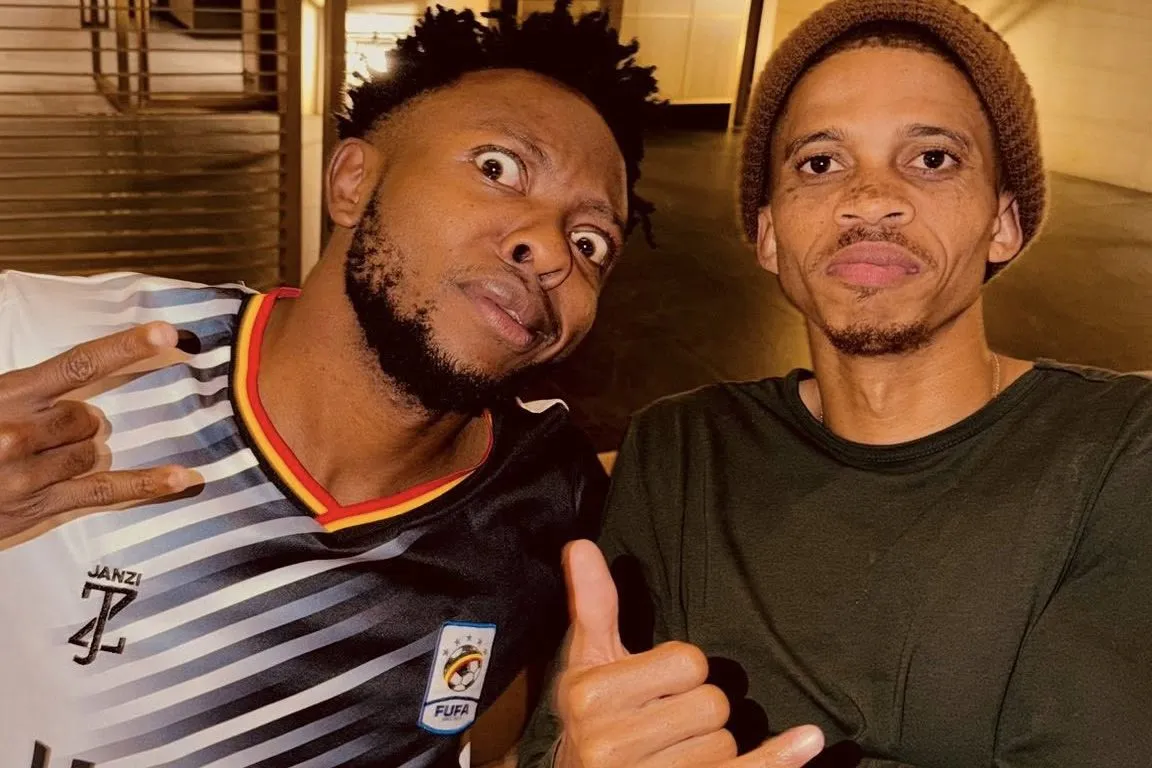
Uganda’s fast-growing digital entertainment scene is being challenged to rethink how creators work together after comedian and content creator CB Talker returned from a major continental summit with a strong message for the industry.
And his message is simple — collaborate or get left behind.
Fresh from representing Uganda at the ASMIS Content Creators Summit held in Addis Ababa, Ethiopia, CB Talker says the biggest lesson he picked up wasn’t about algorithms, branding, or monetization.
It was about people.
And more specifically — how creators support each other on a global scale.
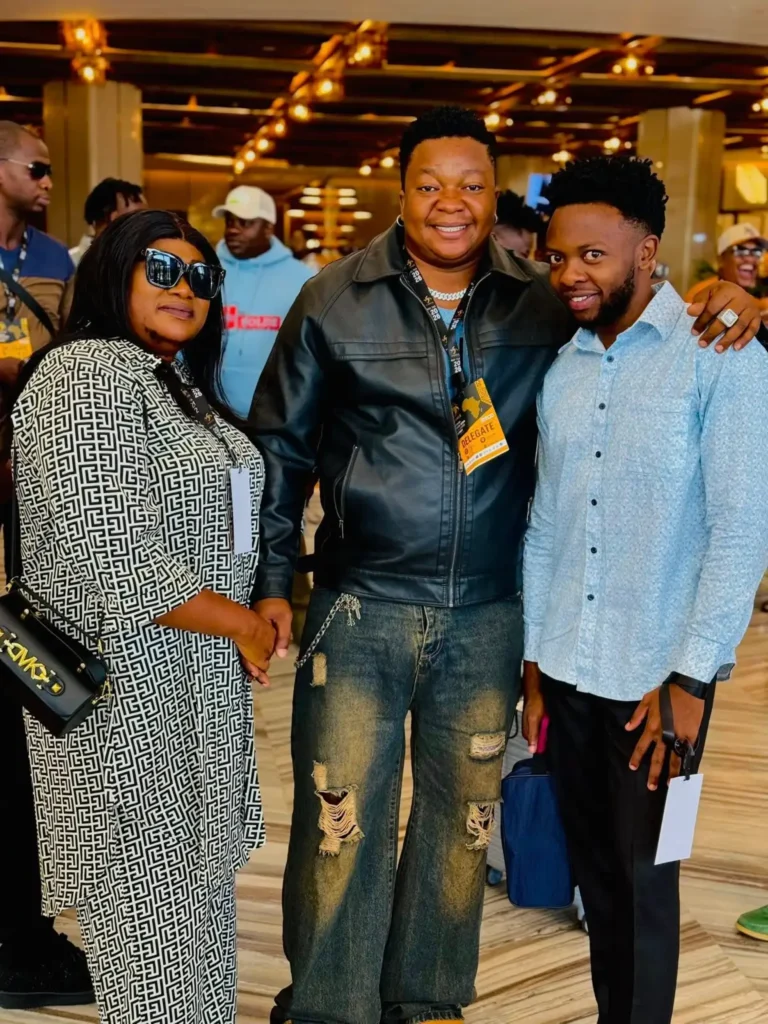
CB Talker attended the high-profile summit alongside fellow Ugandan creator Teng Teng, where they joined more than 200 digital creators from across the world in discussions about the future of online content.
From networking sessions to live collaborations, the event exposed him to a creative culture he says Uganda still needs to fully embrace.
And what he saw changed his perspective.
According to CB Talker, international creators actively collaborate, uplift one another, and intentionally build shared visibility — something he believes is still inconsistent in Uganda’s digital space.

But that’s not even the most eye-opening part.
One moment that stood out for him was his interaction with Botswana-based internet star William Last KRM.
CB Talker described him as one of the most collaborative creators at the entire summit, noting that out of more than 261 attendees, he featured in content with over 100 different creators.
And that level of engagement left a strong impression.
“They collaborate a lot and they are not dictators in content,” CB Talker explained.
“When you saw me with William Last KRM, he is one of the most popular content creators in the world from Botswana. He collaborated with almost everyone at the summit. We were over 261 creators, but he alone featured in content with more than 100 creators. That shows he wishes others well.”
That observation quickly became the core of his message.
Because for CB Talker, collaboration isn’t just a creative strategy — it’s a growth engine.

And then he turned the conversation back home.
Uganda’s content creation industry has experienced rapid growth over the past few years, with comedians, influencers, and digital entertainers building strong followings on platforms like TikTok, YouTube, and Instagram.
However, despite the rising talent pool, collaboration between creators is often described as inconsistent.
Some creators frequently work together on viral skits, while others operate in isolation due to branding differences, competition, or concerns over credit and visibility.
CB Talker believes this gap is limiting the industry’s overall global potential.
He emphasized that in many international markets, creators intentionally tag, feature, and promote each other to expand reach and audience engagement.
And what makes that approach powerful is its long-term impact on visibility.
For Uganda’s growing creator economy, he argues, that mindset shift could be the difference between local success and global recognition.
Alongside Teng Teng, CB Talker says the Ethiopia summit offered a rare opportunity to witness that system in action.

CB Talker’s comments quickly gained attention online after clips from his reflections began circulating across social media platforms.
Fans immediately focused on his comparison between Ugandan creators and international digital stars, especially his mention of William Last KRM’s widespread collaborations.
Within hours, discussions erupted across comment sections about whether Uganda’s creator economy is truly maximizing its potential.
And yes — the internet had opinions.
Some users praised CB Talker for highlighting a genuine issue affecting content growth, saying collaboration is key to breaking into global markets.
Others argued that Ugandan creators already collaborate frequently, but competition and branding strategies sometimes make it less visible.
Either way, the conversation was unavoidable.
Online reactions have been mixed but highly engaged.
Some fans agreed with CB Talker, saying Ugandan creators need to adopt a more unified approach if they want to compete internationally.

Others defended local creators, pointing out that collaboration already exists but may not always be documented or credited properly due to misunderstandings or creative disagreements.
A few users also speculated that increased exposure to global events like the ASMIS Summit could gradually reshape Uganda’s digital creative culture over time.
And honestly, that shift may already be underway.
Because conversations like this rarely happen without triggering change.
Beyond industry debate, CB Talker’s message speaks to a deeper creative truth — success is rarely built in isolation.
For many content creators, growth depends not only on talent but on relationships, visibility, and shared opportunity.
His experience at the summit highlighted how collaboration can turn individual creators into global networks rather than isolated voices competing for attention.
And for emerging Ugandan talent, that insight may be more valuable than any viral video.
The biggest takeaway from CB Talker’s experience wasn’t a new trend or platform strategy.
It was the realization that one creator working with 100 others can sometimes have more impact than 100 creators working alone.
One thing is clear — CB Talker didn’t just attend a summit in Ethiopia.
He came back with a challenge for Uganda’s creator economy: work together, or watch others define the global stage first.