

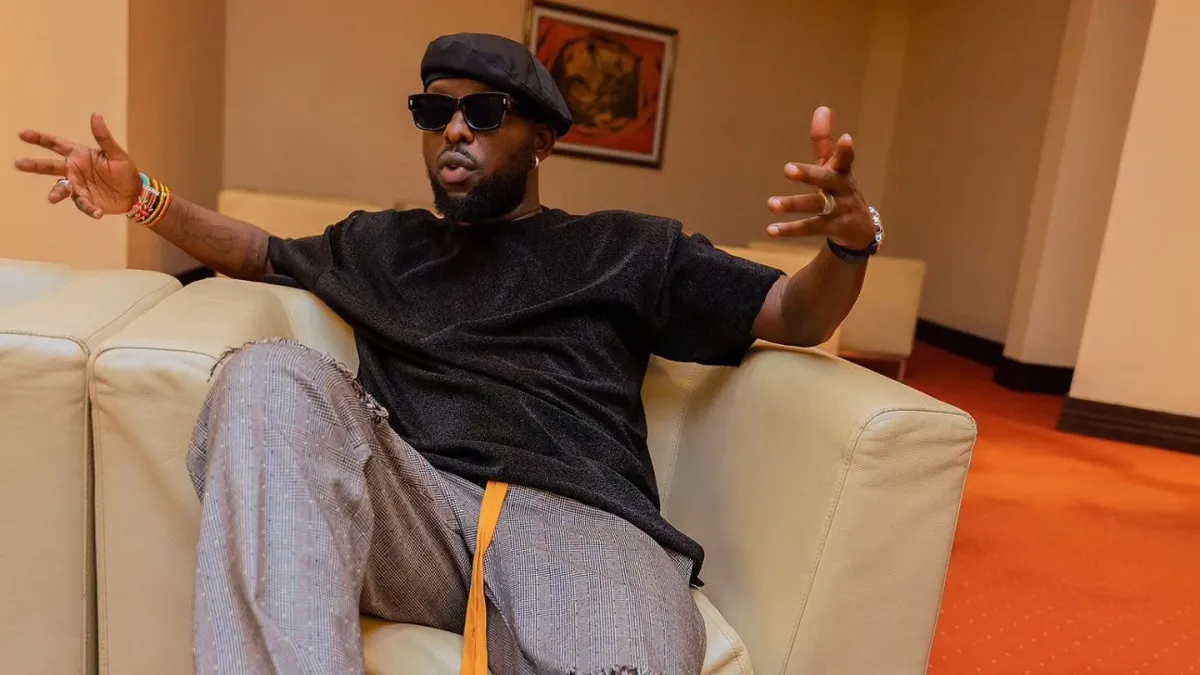
Imagine spending years building a music career — writing, recording, performing, winning awards — and then being told your cut of the national royalties pot is roughly the price of a rolex on Kampala Road.
That is, more or less, the math Eddy Kenzo did publicly last week. And he was not quiet about the answer.
Speaking at a press briefing in Mutundwe, the Sitya Loss hitmaker and president of the Uganda National Musicians Federation tore into the Uganda Performing Rights Society over its announced plan to distribute Shs216 million in royalties to musicians across the country.
His verdict was two words: “It’s a shame.”
And the Ugandan music industry stopped scrolling to listen.
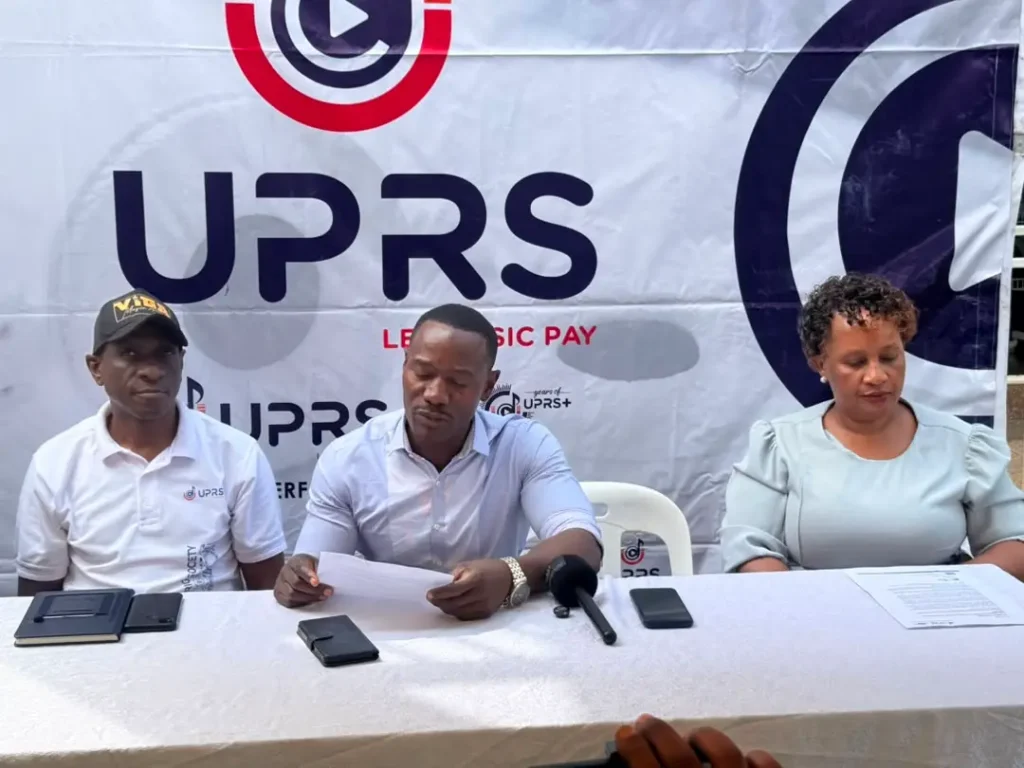
The Uganda Performing Rights Society made what it probably expected to be a well-received announcement — Shs216 million collected from music licensing fees, ready for distribution to eligible Ugandan artists.
UPRS Chairman Martin Nkoyoyo confirmed the figure, saying the funds had been gathered from various users of copyrighted music across the country.

Eddy Kenzo heard that announcement and did the arithmetic.
“I saw our brothers from the UPRS had posted saying they were going to distribute Shs200 million to all Ugandan musicians,” he said at the Mutundwe briefing. “To be honest, that thing is not fair. How did you collect it and how are you going to distribute it? Shs200 million to the entire country? That means I’m going to get Shs2,000.”
He paused. Then he said it plainly: “It’s a shame.”
His core argument wasn’t just about the amount — it was about what the amount reveals. Uganda has thousands of registered musicians. Slice Shs216 million across that pool and individual payouts shrink to numbers that feel less like royalties and more like an insult.
But that’s not even the full issue Kenzo is raising.
He also questioned the transparency of the entire process — how the money was collected, who qualifies to receive it, and how the distribution formula actually works. The UNMF president is demanding that UPRS leadership open the books and explain the system to the very artists it exists to serve.
For Kenzo, this isn’t just about one payout. It’s about whether Uganda’s royalty infrastructure is actually working.
Eddy Kenzo is not a man easily dismissed in Ugandan music circles. Born Edrisah Musuuza, he rose from a difficult childhood to become one of East Africa’s most recognised artists, winning the BET Award for Best New International Act in 2015 — a milestone that put Uganda on the global music map.
His position as president of the Uganda National Musicians Federation gives him an official platform to speak on behalf of artists across the country, not just as a celebrity with an opinion but as an elected industry voice.
The Uganda Performing Rights Society, on the other hand, is the body mandated to collect and distribute royalties on behalf of music creators — composers, lyricists, and publishers — when their work is played or used commercially. In theory, it is the financial lifeline between an artist’s creative work and the money that work generates in the real world.
In practice, Ugandan musicians have long raised concerns about whether that lifeline is functioning as it should. Kenzo’s remarks at Mutundwe are the latest — and loudest — expression of that frustration.
The moment Kenzo said “that means I’m going to get Shs2,000,” the clip had a life of its own.
Fans immediately noticed the brutal simplicity of the calculation — and it resonated far beyond the music industry. Ugandans across professions and backgrounds understood the feeling of watching a system that should protect workers deliver something close to nothing instead.
The internet had thoughts, and they were not holding back. Screenshots of the quote spread rapidly across Facebook, X, and WhatsApp, with many users tagging musicians they knew and asking whether anyone had actually received meaningful royalties from UPRS in recent years.

Comment sections filled with a mixture of outrage and dark humour — with more than a few people pointing out that Shs2,000 wouldn’t cover a single minute of studio time.
Online reaction has split into two clear camps.
The first group is firmly behind Kenzo — artists and fans alike who argue that Shs216 million is simply insufficient for a national royalties body to be announcing as a distribution figure, and that transparency around collection is long overdue.
The second is more cautious, with some observers noting that UPRS may be working within genuine constraints — a music licensing culture in Uganda that is still developing, with many businesses using music commercially without paying the required fees.
Some fans believe the real issue is enforcement — that UPRS can only distribute what it actually collects, and that the Shs216 million figure is itself a symptom of a wider licensing compliance problem.
It’s unclear at this stage how UPRS will respond to Kenzo’s public challenge. Sources within the music industry suggest the pressure for a formal, detailed response is building.
Strip away the numbers and the institutional names, and what Eddy Kenzo is really describing is a familiar story for creatives across Uganda and across the continent.

Artists pour years into their craft. Their music plays in hotels, restaurants, radio stations, and events. Money is generated. And somewhere between the point of use and the artist’s pocket, the chain breaks down — or the figures arrive so small they barely register.
Royalties aren’t a bonus. For working musicians without major endorsements or touring income, they can be a genuine lifeline. When that system underdelivers, it isn’t an administrative inconvenience — it is a question of whether artists can sustain their careers.
Eddy Kenzo won a BET Award. He has performed across continents. He has built one of the most recognisable careers in East African music.
And according to UPRS’s own numbers, his share of Uganda’s national royalties pool might not cover his phone credit.
If that doesn’t prompt a serious conversation about how Uganda values its musicians — nothing will.
UPRS announced Shs216 million like it was good news. Eddy Kenzo did the math and made sure everyone else did too. The real question now is: when does the industry get a system that actually adds up?