

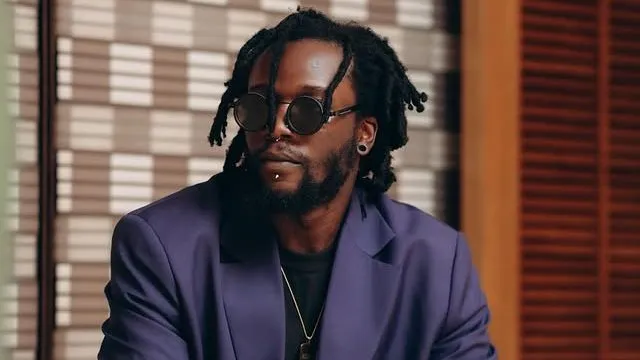
He just performed a full show. The crowd was feeling it. The energy was right. And when the cameras turned to him afterward for the inevitable personal questions, Elijah Kitaka did not dodge, deflect, or give a rehearsed non-answer.
He simply drew a line — clearly, calmly, and with the kind of quiet confidence that makes it obvious the line has been there for a while and he has no intention of moving it.
The mother of his children will not be appearing on your timeline. That is not a glitch in his public relations strategy. That is the strategy.
And what came after that statement — a new album announcement and a mature take on concert culture that Uganda’s music industry genuinely needed to hear — made this one of the more complete post-show conversations an artist has given in recent memory.
Kitaka did not dress up his position on privacy with lengthy explanation. He made it plain.
“It’s me who’s the musician and it’s me who you need to see, the mother takes care of the children.”

One sentence. Two roles. Zero confusion about which one belongs in the public eye.
He also pushed back gently against any suggestion that keeping his family off camera reflects a lack of commitment at home. He described himself as a responsible father — insisting that privacy and presence are not in conflict with each other. The fact that his partner does not appear in his Instagram posts does not mean she is absent from his life. It means she chose a life that is not a performance, and he is respecting that choice.
In an era where celebrity relationships are routinely treated as content — where partners become supporting characters in someone else’s public narrative — Kitaka’s position is a deliberate and considered refusal to participate in that dynamic. He is the musician. He signed up for the spotlight. She did not.
For those building context, Elijah Kitaka is a Ugandan singer who has steadily built a following through music that has connected with audiences across the country. He is not a newcomer finding his footing — he is an artist at a point in his career where the questions about concerts, albums, and relationships start arriving with increasing frequency and expectation.
His response to all three this weekend was consistent in its tone. Measured. Grounded. Not performing humility and not performing ambition — just speaking from wherever he actually is right now, which turns out to be a more interesting place than the standard celebrity interview usually reaches.
The conversation happened after a weekend performance, which means he was coming off live energy when he sat down to talk. That context matters — what artists say immediately after a show tends to be less filtered and more honest than what emerges from a scheduled press sit-down.

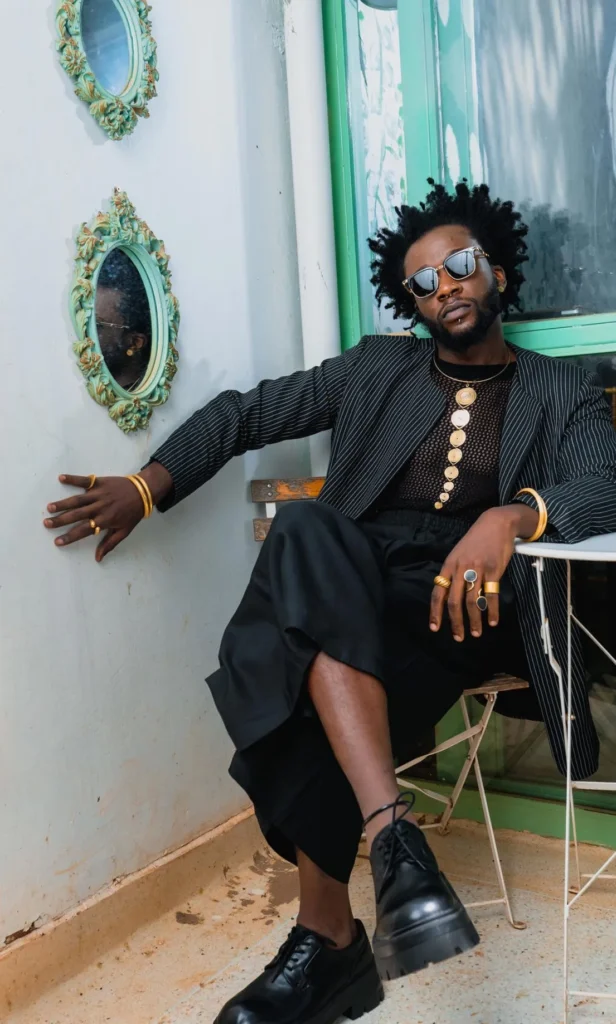
Fans immediately responded to the relationship boundary with a mixture of respect and curiosity — and the internet had thoughts, and they were not holding back.
The line about the mother taking care of the children circulated quickly, generating two very distinct reactions. One camp praised him for protecting his family from the pressures and scrutiny that come with public life, pointing out that children and partners of artists rarely choose exposure and should not have it forced on them. The other camp pushed back, reading the framing as outdated — questioning whether describing his partner primarily through her domestic role captured the full picture of who she is.
Both conversations were running simultaneously in comment sections by the time the album announcement started pulling attention in a different direction entirely.
The album news landed with genuine excitement. Ten songs. Upcoming. No release date specified yet — but the confirmation alone was enough to shift the energy in the room.
Kitaka did not give away much beyond the track count, but ten songs signals a full-length project with enough room to show range, tell a story, and establish a statement about where he is as an artist right now. For a singer at his stage of career, a cohesive album rather than a string of singles is a meaningful creative declaration.
Some fans are already speculating about features, production direction, and whether the project will lean into the sound that built his following or push somewhere new. Those questions will have to wait — but the fact that people are asking them is exactly the kind of anticipation a pre-announcement is supposed to generate.

The concert question came up because of Vinka — whose recent major show set a high-water mark that has since become a reference point for what Ugandan artists can achieve when they headline their own events. The implied question to Kitaka was essentially: when is it your turn?
His answer was worth quoting in full.
“I still have a few years and I’ll be informing you. I’m still young in this. There’s no need to rush music, music isn’t rushed and doing a show isn’t because you have had trending songs, doing a show is about celebrating your journey with your fans.”
That last part is the sentence Uganda’s music industry needs to print and distribute widely. A concert is not a reward for going viral. It is not a response to online pressure or a competitor’s success. It is a celebration — of a journey that has accumulated enough meaning and enough genuine connection to fill a room and make the night feel earned.
Kitaka is saying he is not there yet. Not because he doubts himself, but because he respects what the milestone is supposed to represent. When he does it, he wants it to mean something. And rushing it to satisfy external timelines would undermine the very thing that makes it worth doing.
Some fans believe this level of patience and self-awareness is exactly what separates artists who build lasting careers from those who chase moments. Others are simply excited about the album and willing to wait as long as it takes for the concert — provided both eventually deliver.

It’s unclear when the ten-track album will officially arrive, but sources close to his camp suggest work is well underway. The weekend performance was a reminder that his live presence is strong — which makes the prospect of a full project landing in the near future genuinely exciting for his audience.
Here is the line worth screenshotting and sending to every artist who has ever felt pressure to perform their personal life for public consumption: “It’s me who’s the musician and it’s me who you need to see.” Elijah Kitaka said it, meant it, and then went ahead and gave the audience everything they actually needed — music news, career perspective, and a reminder that boundaries are not walls. They are just good architecture.
Private family. Ten new songs loading. A concert on his own timeline and nobody else’s. Elijah Kitaka walked off that stage this weekend and gave Uganda exactly the update it needed.
He is not rushing anything — and if the album turns out to be worth the wait, nobody will be asking about concert timelines anymore. What song do you want to hear first on that ten-track project?