

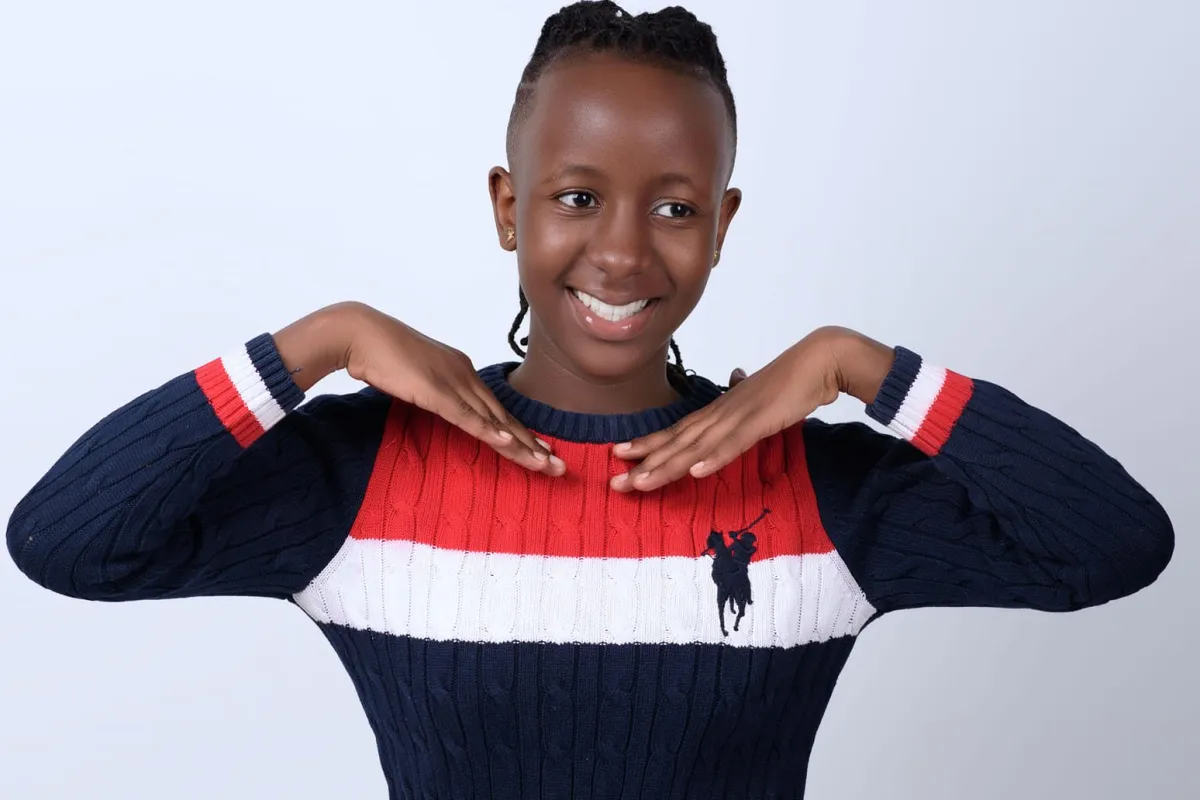
Just when the controversy surrounding Black Market Records appeared to be gaining momentum, another artist has stepped forward with serious allegations.
Singer Felista Di Superstar has publicly accused the record label of taking control of her content and YouTube channel while allegedly failing to pay her for years.
The explosive claims surfaced on social media and have quickly drawn attention across Uganda’s entertainment industry, especially as they come shortly after fellow musician Bruno K raised concerns about his own experiences with the company.
Now, Felista is sharing her story.
And according to her, the situation has been going on for years.
Felista Makes Explosive Allegations
Taking to social media, the singer expressed frustration over what she describes as years of unanswered concerns regarding her content and earnings.
In a strongly worded post, Felista claimed that Black Market Records assumed control over her digital content and YouTube platform without providing compensation.
“These guys of Black Market took over my content now for 5yrs and they have never given me even a single coin, just lies and lies and lies 😒 Uganda!!” she wrote.
The artist went on to claim that the label took control of her YouTube channel, which she says had grown to more than 30,000 subscribers.

“My YouTube channel myeee with over 30k subscribers,” she added.
The allegations have immediately sparked debate among fans and industry observers.
But that’s not even what makes the timing so interesting.
Felista’s comments arrive amid increased public discussion surrounding Black Market Records following concerns recently raised by Bruno K.
That timing has led many social media users to connect the two situations, with some questioning whether more artists could come forward with similar experiences.
At this stage, however, Felista’s claims remain allegations made publicly by the singer.
Black Market Records has not responded to the claims in the information provided, and no independent findings have been presented to verify the accusations.
Still, the singer’s comments have generated significant attention online.

And then things got even louder.
The internet had plenty to say after Felista’s post began circulating.
Fans immediately noticed the seriousness of her allegations, particularly the claim involving a YouTube channel with more than 30,000 subscribers.
For many artists, digital platforms represent years of work, audience building, and potential revenue opportunities.

As a result, allegations involving ownership and control of online content tend to trigger strong reactions.
Some social media users expressed support for Felista and encouraged her to continue speaking out.
Others called for both sides to provide more information before conclusions are drawn.
Within hours, screenshots of her post were spreading across entertainment blogs and social media pages.
Beyond the immediate controversy, Felista’s allegations have reignited discussions about artist-label relationships in Uganda’s music industry.

Questions surrounding contracts, ownership of content, royalties, and digital assets have become increasingly important as artists rely more heavily on streaming and online platforms.
For many musicians, a YouTube channel is more than just a social media account.
It is a brand, a fan community, and potentially a source of income.
That’s why claims involving channel ownership often attract significant public interest.
Some fans believe situations like these highlight the importance of artists fully understanding agreements before signing them.
Others argue that labels also invest substantial resources into building and promoting talent.
The truth behind any dispute often depends on the specific contractual arrangements involved.
Part of the reason Felista’s claims are generating attention is because they tap into a larger narrative that resonates with many creatives.
Stories involving ownership, compensation, and control of creative work frequently spark passionate discussions.

Fans immediately noticed that her allegations echoed concerns that have surfaced elsewhere in the music industry over the years.
The combination of a popular artist, a recognizable record label, and claims involving a 30,000-subscriber YouTube channel created the perfect recipe for a viral entertainment story.
It’s unclear whether the matter will escalate further.
But the conversation is already underway.
Behind the headlines is an artist expressing frustration over work she believes should have benefited her.
For musicians, songs, videos, and digital platforms often represent years of dedication and personal sacrifice.
Whether Felista’s allegations are ultimately substantiated or disputed, her comments reflect concerns that many creatives have voiced globally regarding ownership and compensation.
Those concerns continue to shape conversations throughout the entertainment industry.
What started as one artist speaking out has now become part of a much larger discussion surrounding artist rights, digital ownership, and accountability in Uganda’s music business.
And if more voices join the conversation, this story may only be getting started.
Felista Di Superstar has added her voice to a growing debate that is capturing attention across the entertainment industry. The question now is whether her allegations will prompt answers—or encourage even more artists to come forward with stories of their own.