

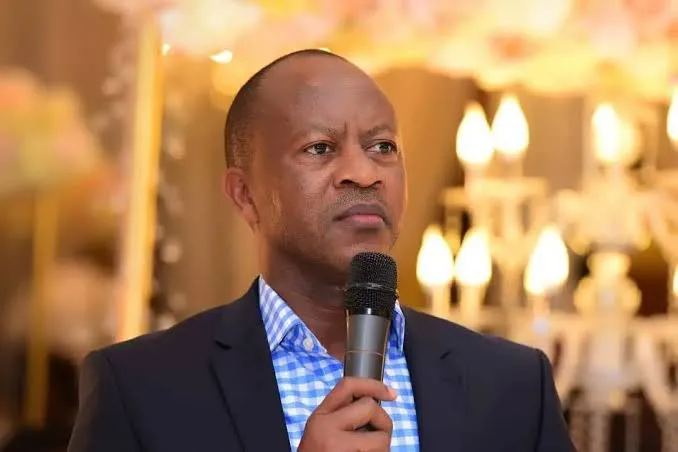
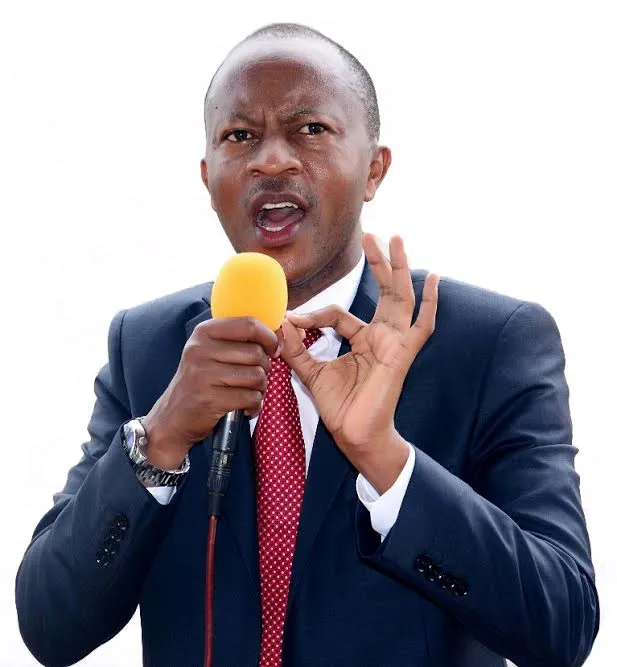
Frank Gashumba has pushed back against pastors criticising his remarks about alleged fake miracles, arguing that an entire generation risks being misled when churches place too much emphasis on supernatural interventions.
Speaking during an appearance on Radio 4 UG with host Adam Kungu, Gashumba questioned the expectation that miracles must be central to the church experience.
He argued that people should attend church to worship God, pray and give thanks for the blessings they have received, rather than expecting a miracle every time they gather for worship.
“When you look at Anglicans and Catholics, none of them go to church expecting miracles. They go to praise God and to pray,” Gashumba said.
He also challenged the idea that people would stop attending church if miracles were no longer performed, suggesting that such messaging puts undue pressure on religious belief.
“Let me ask, if Jesus says he’s not going to perform any more miracles, does that mean you won’t go to church anymore?” he asked.

Gashumba maintained that worship should not depend entirely on whether someone expects a supernatural intervention. He said that he, too, attends church to thank God for what he believes he has already received.
To illustrate his argument, he recounted the case of a friend who had reportedly been taking antiretroviral drugs (ARVs) for an extended period before her HIV viral load became undetectable.
According to Gashumba, the woman visited different hospitals to verify the results and was subsequently taken off her medication.

He argued that in a church where miraculous healing is heavily emphasised, such an outcome might be credited to a particular apostle, even though the woman had been following medical guidance.
However, an undetectable HIV viral load does not, by itself, mean HIV has been cured. Antiretroviral treatment can suppress the virus to undetectable levels, and stopping treatment without medical supervision can allow it to rebound. Gashumba’s account of his friend’s medication history and subsequent treatment decision was not independently verified in the material provided.
He also challenged pastors who claim supernatural healing powers, asking whether any of them personally assist their wives in delivering babies without medical help.
The remarks add to Gashumba’s ongoing criticism of what he considers questionable claims about faith healing. On October 8, 2026, he was reported to have offered Shs500 million to any pastor who could heal critically ill patients in hospital.
His latest comments shift the debate beyond individual healing claims to a broader question about the role miracles should play in religious life.
While Gashumba’s criticism has drawn objections from some pastors, his position is that faith and worship should not be reduced to the expectation of supernatural results.