

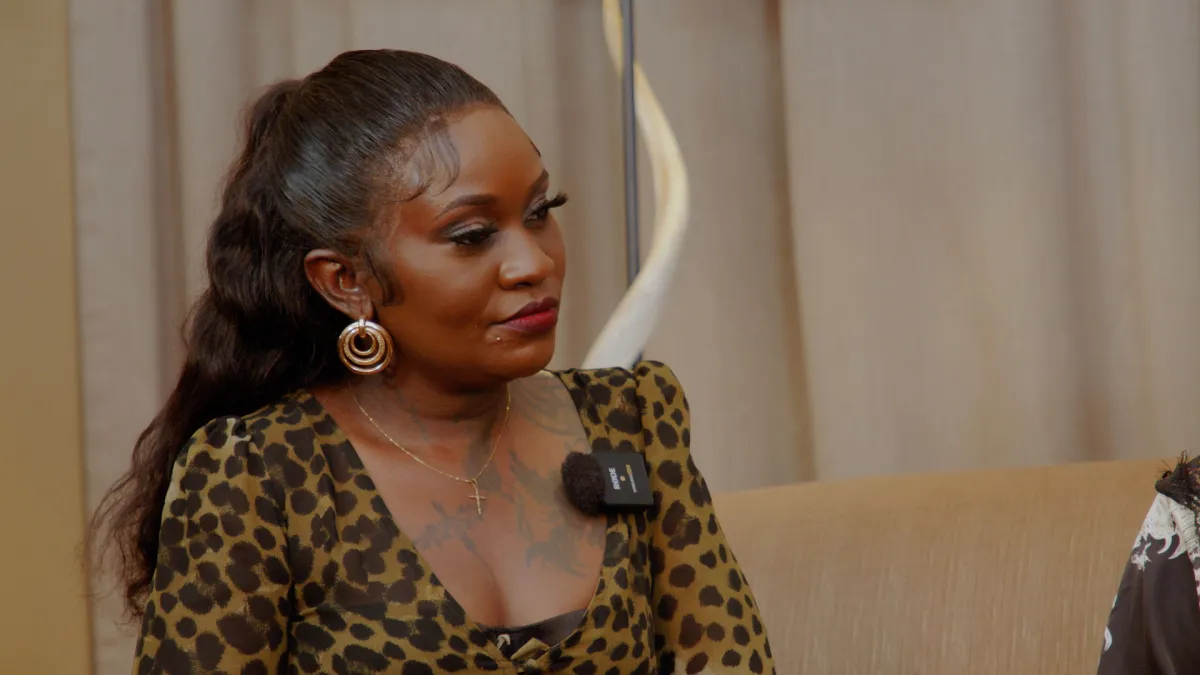
Ugandan singer Jackie Chandiru has weighed in on the growing conversation around leaked intimate photos and videos, urging women to protect their privacy and think carefully before sharing sensitive content with romantic partners.
Speaking about the increasing number of private images that later surface online, Chandiru said no one should feel pressured into sending nude photos or videos as proof of love. Instead, she encouraged women to prioritize genuine relationships and in-person connections over creating digital content that could eventually be misused.
Her remarks come amid ongoing discussions about digital privacy, consent, and the long-lasting impact of intimate images being shared without permission.
“If You Want to See Me Naked, Court Me”
During the discussion, Chandiru made it clear that she does not believe intimate photos should replace building a real relationship.
According to the singer, anyone who genuinely wants to see her naked should first invest time in getting to know her rather than requesting explicit content over a phone.
“If you want to see me naked, you have to court me.”

She went on to explain that developing trust takes time.
“Before that, first say hello and hey, which will take about six months, then vibe with me for about a year.”
While her timeline was shared as part of her personal perspective, her broader message centered on allowing relationships to develop naturally instead of rushing intimacy through digital exchanges.
Chandiru added that if a relationship reaches that stage, intimacy should happen in person rather than through photos or videos.
She said someone who genuinely wants to see her nude should come and undress her themselves instead of asking her to create digital content.
Warning Against Pressure and Manipulation
Beyond her personal approach to relationships, Chandiru also addressed what she described as manipulation by some partners.

She argued that some men convince women that sending intimate photos is a normal way to demonstrate affection or commitment.
According to the singer, that expectation should be questioned.
“If somebody truly loves you, I don’t see any reason why the person has to ask you for a video. I don’t even see why you’ve got to take a picture or video of yourself when you’re naked.”
Chandiru suggested that a caring partner would instead think about the potential consequences if those images were ever exposed.
“If someone loves you, they think about the worst-case scenario, like what happens if your phone gets lost and those pictures get out.”
Her comments emphasize caution when it comes to creating and sharing intimate digital content.

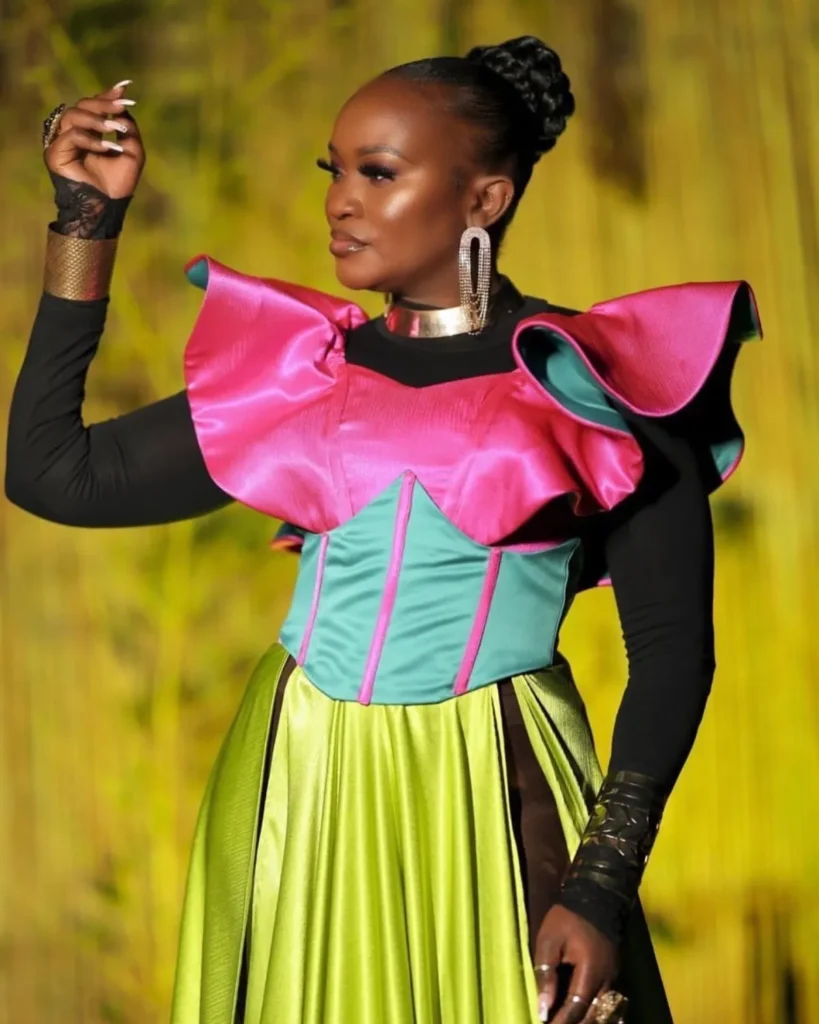
A Message About Digital Privacy
Chandiru concluded by encouraging women to set clear boundaries in their relationships.
According to her, partners who repeatedly insist on receiving nude photos may not be considering the risks involved for the person sending them.
She warned that intimate images can later be misused or shared without consent, leaving lasting emotional and personal consequences.
Instead, she encouraged women to invite partners to spend time together in person rather than exchanging explicit content electronically.
For Chandiru, genuine intimacy should be built on trust, respect, and mutual understanding—not on requests for digital proof of affection.
Why the Conversation Matters
Leaked intimate photos and videos have become an increasingly discussed issue in the digital age, affecting people from all walks of life, including public figures and private individuals.

Privacy advocates and digital safety experts have long encouraged people to think carefully before creating or sharing sensitive images because digital files can be copied, stored, or redistributed without consent.
While each relationship is different, Chandiru’s comments contribute to a broader public conversation about personal boundaries, consent, and protecting privacy in an era where smartphones and social media make sharing content easier than ever.
Her advice also highlights the importance of open communication between partners and making decisions that prioritize long-term safety over momentary pressure.
Human Angle
At the heart of Jackie Chandiru’s message is a call for self-protection and patience.
Rather than focusing solely on romance, she encourages women to value themselves enough to establish trust before becoming vulnerable. Her comments suggest that intimacy should be experienced, not documented, and that genuine affection is demonstrated through respect rather than requests for explicit images.
Whether people agree with every aspect of her perspective or not, her remarks add another voice to an important conversation about privacy, consent, and navigating modern relationships responsibly.
As conversations around online safety continue to evolve, Jackie Chandiru hopes her advice encourages people to think twice before turning private moments into permanent digital records.