

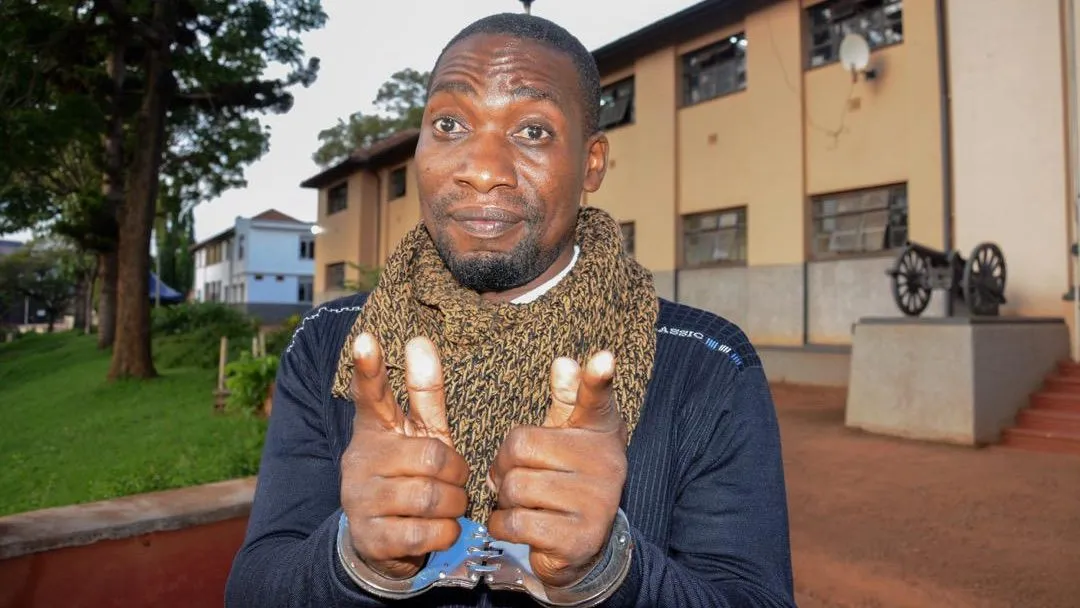
The High Court in Kampala has ordered journalist and social media commentator Dean Lubowa Saava, proprietor of TV10 Gano Mazima, to pay Shs100 million in damages after being found liable for defaming Deputy Inspector General of Government (IGG) Anne Twinomugisha Muhairwe.
The ruling stems from corruption allegations circulated on TikTok, which the court found to be false and damaging to the Deputy IGG’s reputation.
Justice Joyce Kavuma delivered the judgment on June 24, 2026, concluding that the statements made by Lubowa were defamatory in nature and intended to harm the plaintiff’s public image.
The case originated from TikTok videos published in July 2025 on Lubowa’s platform, TV10 Gano Mazima, where he accused Deputy IGG Twinomugisha of receiving bribes linked to the Kaabong road project.
He further alleged that she had received Shs200 million in bribes and described her as a corrupt public official unfit for office.
However, the court found that these claims were not supported by evidence and were damaging to her reputation.

Justice Kavuma ruled that the plaintiff’s evidence clearly demonstrated the defamatory nature of the statements and their intent to cause reputational injury.
“The plaintiff’s evidence clearly shows that the statements published by the defendant were defamatory in nature and intended at causing injury to the reputation of the plaintiff,” the judgment noted.
During the proceedings, evidence was presented by Ombudsman Affairs Director Kakooza Savio Ntensibe, who was named in the allegations as the Deputy IGG’s personal assistant.
Ntensibe, however, told the court he had no connection to the claims, was not her aide, and had never handled any money on her behalf.
The court also noted that Lubowa did not enter an appearance or file a defense despite being duly served, allowing the matter to proceed ex parte.
Justice Kavuma further observed that Lubowa had previously admitted in a criminal plea bargain that the information he published was false.

“The defendant, in making these claims, directly and indirectly insinuated without proof that the Deputy Inspector General of Government is part and parcel of the corruption she ought to eliminate,” the ruling stated.
The court also found that Lubowa continued publishing the allegations despite warnings, describing his actions as malicious and reckless.
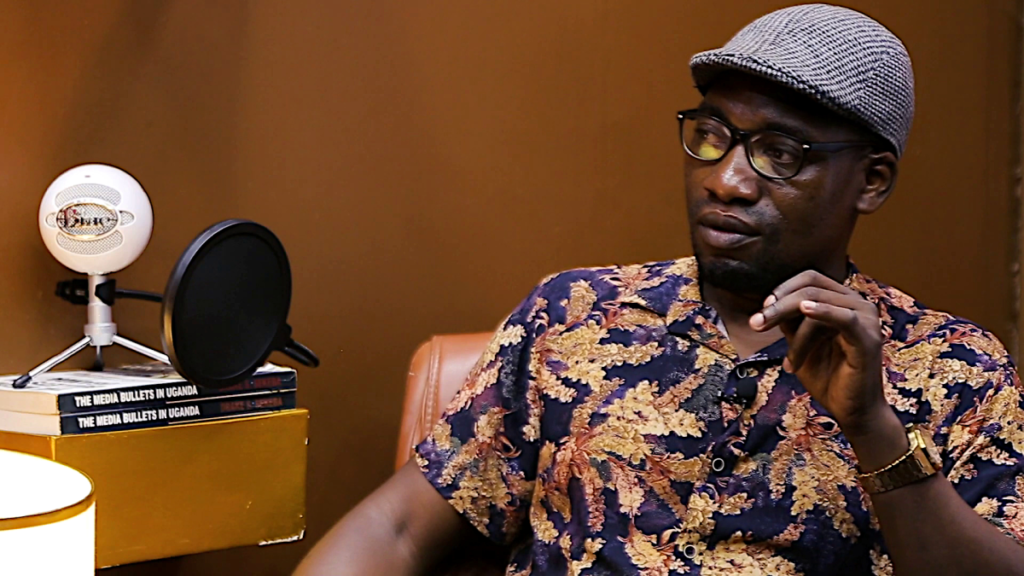
Dean Lubowa Saava is a journalist and social media commentator known for running TV10 Gano Mazima, a platform that publishes political and current affairs content, often on TikTok.
Defamation cases involving social media content have become increasingly common as digital platforms expand the reach of news commentary and citizen journalism in Uganda.
The Deputy IGG, Anne Twinomugisha Muhairwe, is a senior government official involved in oversight and anti-corruption efforts within public institutions.
The court proceedings highlighted how viral content shared on platforms like TikTok can significantly impact reputations and lead to legal consequences when claims are not substantiated.

This ruling underscores the growing legal scrutiny around online publishing and social media commentary in Uganda.
With platforms like TikTok reaching large audiences, courts are increasingly addressing cases where unverified allegations are widely circulated.
The judgment also reinforces the responsibility of content creators and media platforms to ensure accuracy when making serious accusations, especially those involving public officials and corruption claims.
The award of Shs100 million in damages reflects the court’s view of the seriousness of the allegations and their wide digital reach.
Defamation cases involving political or government figures often generate debate online, particularly around freedom of expression and accountability in digital media.
Further discussion is expected as the ruling circulates across social media platforms.
The case highlights the real-world consequences of viral accusations in the digital age, where a single post can reach hundreds of thousands of viewers within hours.
For both public officials and content creators, it reflects the growing tension between digital expression and legal responsibility.
The court’s decision also emphasizes the importance of verifying claims before publication, especially when reputations and public trust are at stake.
The High Court’s ruling against Dean Lubowa Saava adds another landmark moment in Uganda’s evolving digital defamation landscape.
As social media continues to shape public discourse, the boundaries between commentary and liability are becoming increasingly defined.