

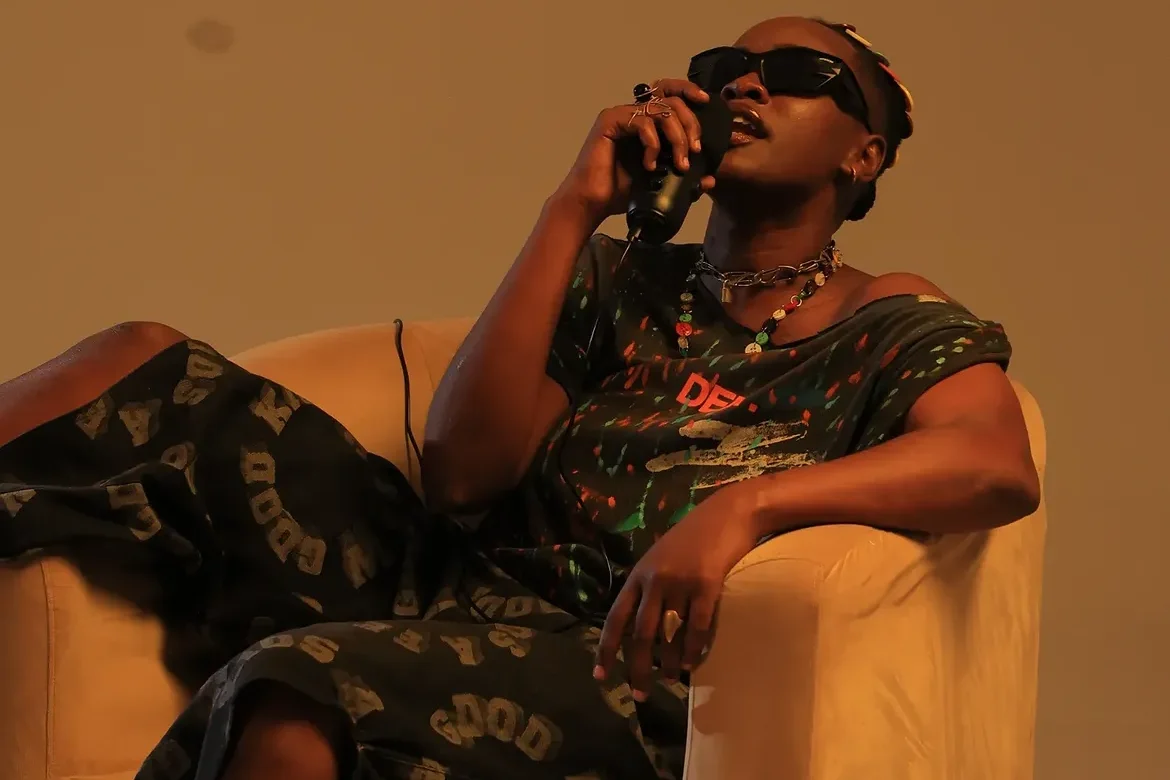
For recording artist Kvan, one of the most defining moments of her career wasn’t the release of a hit song—it was being left out of one.
The singer, whose real name is Khabuya Vanessa Marion, has shared her account of how she was allegedly sidelined from the remix of “Guma Bakunyige,” a project that was ultimately released by Recho Rey and Mun G without her participation. Looking back, Kvan says the experience marked the beginning of the professional struggles she has since encountered in Uganda’s music industry.
Her story offers a candid look at the challenges emerging artists say they can face behind the scenes, from missed opportunities to concerns about trust and creative ownership.
A Studio Session That Took an Unexpected Turn
According to Kvan, the original version of “Guma Bakunyige“ had already been recorded by Recho Rey before discussions began about expanding the song’s reach.
She recalled that someone suggested inviting Mun G to feature on the remix, believing his appearance would help the track gain wider attention and increase its chances of becoming a bigger success.
Kvan says she embraced the idea and played an active role in helping connect Recho Rey with the veteran rapper.
Once Mun G agreed, everyone met in the studio to record.

However, Kvan says events unfolded differently than she expected.
According to her account, Recho Rey and Mun G recorded their verses first. When it was finally her opportunity to step into the booth, she says someone asked her to leave the studio briefly to run an errand.
When she returned, she was told the producer was too busy to continue recording her vocals.
Before long, she says, the remix—and eventually its music video—had been released without her involvement.
“Someone advised me that we include Mun G on that project. So we found a way and connected with him, and he came to the studio. Recho Rey and Mun G recorded their parts, and when it was my turn, someone sent me somewhere. When I came back, they told me the producer was busy. Before I knew it, they had released the video. That was the beginning of my challenges in this game.”
Kvan said that moment became a turning point in her career, leaving her questioning relationships within the industry and the trust she had placed in collaborators.
Lessons Learned From the Experience
Reflecting on the incident, Kvan said it fundamentally changed how she approaches professional relationships.

Rather than focusing solely on the remix itself, she emphasized the broader lesson she believes artists should take from her experience.
According to the singer, navigating the music business requires caution because creative partnerships do not always unfold as expected.
“Honestly speaking, if you can, only deal with your friends who are outside the music industry. In this industry, you can never know who is competing with you or who is working against you. You might be writing for someone songs and helping them, yet they want to take what you have. That’s the biggest lesson I learned.”
Her remarks reflect her personal perspective on working within the industry and are presented as her own account of those experiences.
Kvan Says She Contributed Behind the Scenes
Although Kvan clarified that she did not exclusively write songs for Recho Rey, she says she frequently contributed ideas during creative sessions.
According to the singer, she also provided background vocals on some of Recho Rey’s music, including “Guma Bakunyige“ and “Cheating.”
She maintains that listeners can still hear her voice in portions of those recordings despite not being credited as a featured artist.

“I didn’t write her songs, but I used to chip in. You can hear my vocals on songs like ‘Guma Bakunyige’ and ‘Cheating.’ I was supposed to be part of the ‘Guma Bakunyige’ project too, but I was sidelined. That was before I realized I was being used and then pushed out of the picture.”
Her comments provide additional insight into how she views her role in those projects before the remix was officially released.

Additional Claims About Songwriting and Creative Work
Kvan also shared broader allegations about other experiences she says she has encountered throughout her music career.
Without naming the individual involved, she alleged that one prominent artist invited her to participate in a songwriting session where she played several demo recordings.
According to Kvan, some of those demo ideas were secretly recorded without her knowledge.
She said she received payment for one completed song and another she intentionally sold, but claimed additional demo material was later used without her authorization or full compensation.
“I’ve faced a lot—almost everything you hear about in this industry. There is a top artist who called me to write songs for them. As I played some of my demos, they secretly recorded them. They paid me for the song I wrote and the one I sold to them, but they also took my other demos secretly, dropped me off at home, and refused to pay my balance later.”

The artist did not identify the individual she was referring to, and no independent evidence was provided alongside her remarks to substantiate the allegation.
Why Her Story Resonates
Stories about songwriting credits, creative ownership, and collaboration continue to spark conversations across the music industry, particularly among emerging artists seeking recognition for their work.
Kvan’s account adds another perspective to ongoing discussions about transparency, compensation, and trust in creative partnerships.
While her claims reflect her personal experiences, they also highlight concerns that many artists have publicly discussed over the years regarding behind-the-scenes contributions and professional recognition.
For aspiring musicians, her reflections serve as a reminder of the importance of documenting agreements, protecting original work, and understanding the business side of entertainment alongside the creative process.
The Human Side of the Story
Beyond the music, Kvan’s story is about expectations, disappointment, and resilience.
She believed she was contributing to a project that would elevate everyone involved, only to later feel excluded from its final release. Whether through collaborations, songwriting, or vocal contributions, she says those experiences shaped how she now approaches the industry.
Rather than focusing solely on what happened years ago, Kvan appears determined to use those experiences as lessons for herself and for younger artists entering the business.
As conversations about creative ownership continue across the music industry, Kvan’s account offers another perspective on the challenges artists say they sometimes face behind the scenes.