

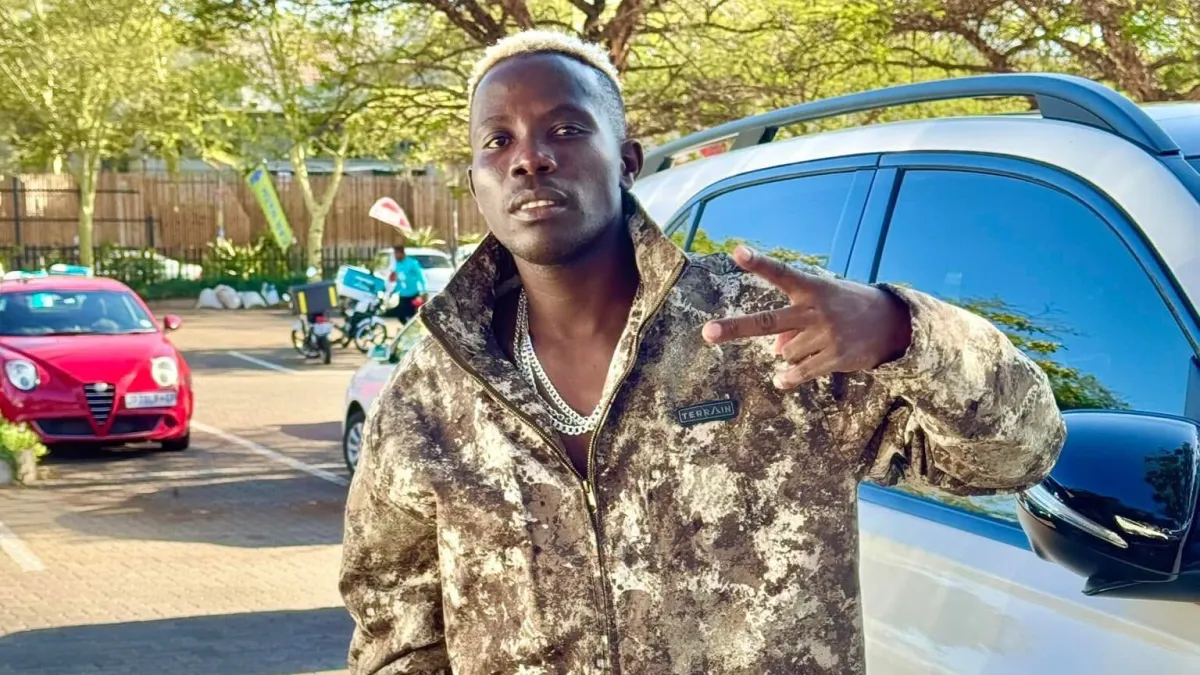
Ugandan musician Lil Pazo has challenged fellow artists to prove their influence by securing a private nighttime meeting with President Yoweri Kaguta Museveni, offering Shs 50 million to anyone who can pull it off.
The singer excluded Jose Chameleone, Eddy Kenzo, Bebe Cool and Alien Skin from the challenge, putting the focus on other members of Uganda’s music industry.

Pazo, who says he has met the President on a few occasions, argued that gaining access to Museveni for a private meeting is not as straightforward as some people may assume.
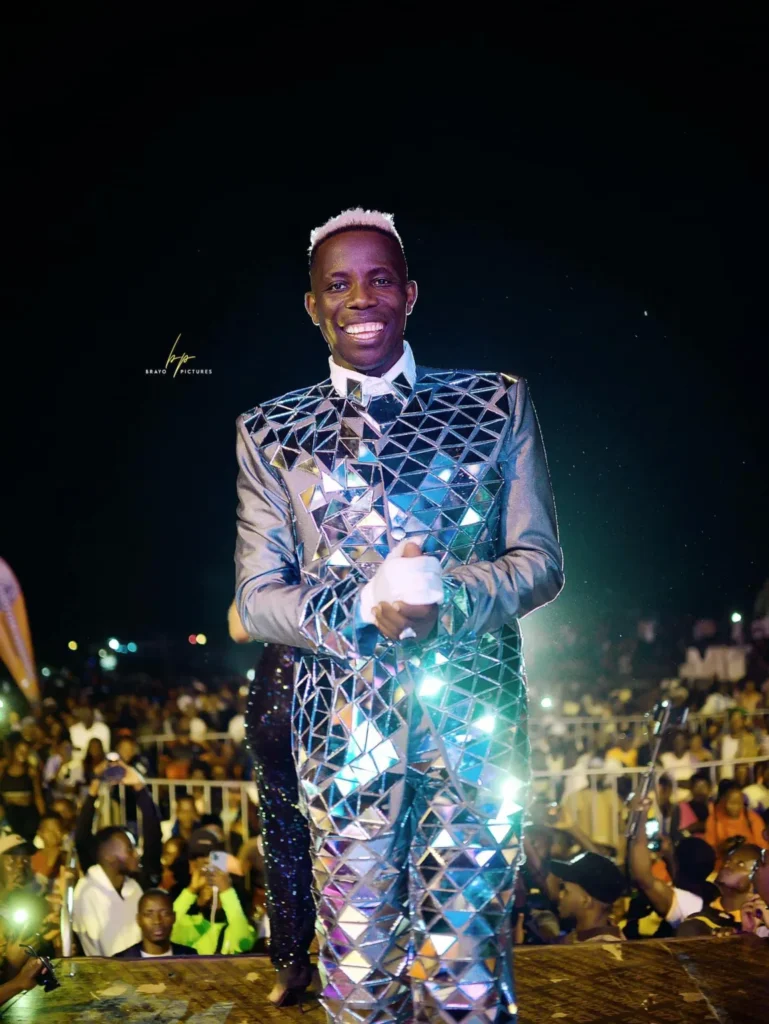
According to the musician, popularity alone does not guarantee access to the Head of State. He believes anyone seeking a meeting must have a compelling reason and the right connections.

“Let them put a TikTok Live at midnight and say they are on their way to Nakasero to meet the President. The first thing you’re asked is, who are you in this country and what is the reason for your visit? Those are things very few people have. You can’t just enter,” Pazo said.
The singer used the challenge to question how much influence artists who consider themselves powerful actually have beyond their popularity and public profiles.

He wants an artist to arrange the meeting at their own convenience rather than relying on official channels or publicly announced presidential engagements.
Pazo’s remarks come amid the longstanding connections between sections of Uganda’s entertainment industry and the President. Musicians have met Museveni during official functions, presidential engagements and other events, although such appearances do not necessarily demonstrate the ability to secure a private audience on demand.

The singer’s challenge draws a distinction between meeting the President at an organised event and obtaining direct access to him privately, particularly at night.
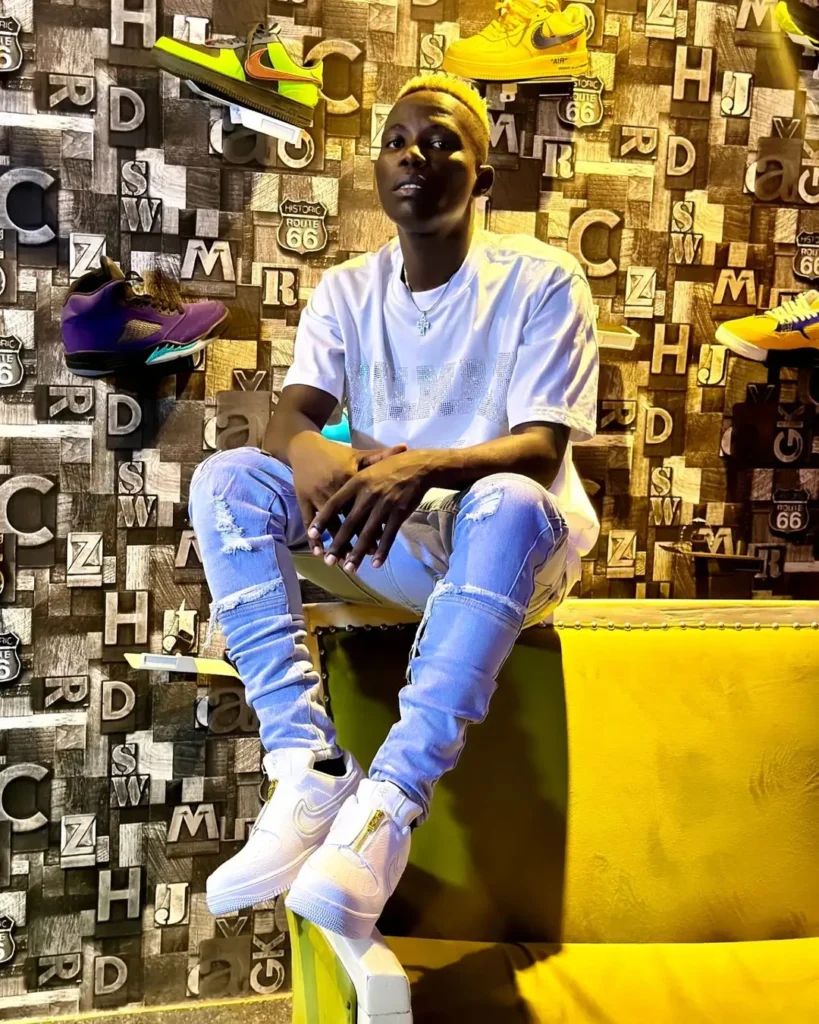
By offering Shs 50 million, Pazo has placed a substantial financial reward on the challenge and invited artists outside his list of exclusions to demonstrate their connections.
However, the offer remains a challenge issued by the musician; the supplied account does not establish whether any artist has accepted it or whether the conditions for claiming the money have been formally defined.
For Uganda’s music fraternity, the question Pazo has raised is whether an artist’s public influence translates into the kind of access he says is required to secure a private meeting with the President.